Naseeruddin Shah slams Jantar Mantar crackdown, backs student protesters
Synopsis
Naseeruddin Shah's Instagram video is one of the most pointed celebrity interventions in the Jantar Mantar protests — comparing masked police to American ICE agents and warning the government that repression has consequences. With Sonam Wangchuk on day 24 of a hunger strike and the NEET paper leak still unresolved, the crackdown has turned a policy grievance into a broader confrontation over state force and student rights.
Key Takeaways
Naseeruddin Shah posted an Instagram video on 22 July condemning the police crackdown on student protesters at Jantar Mantar .
Shah compared masked personnel at the protest site to American ICE agents and called their conduct cruel.
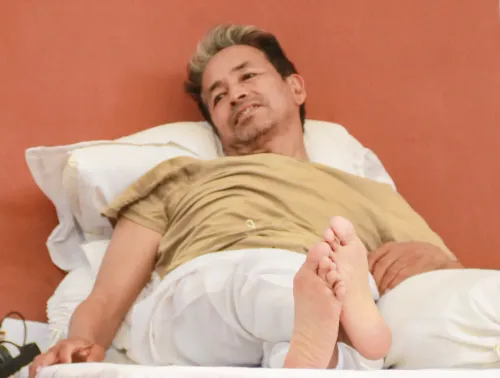
Sonam Wangchuk was forcibly removed from the protest site by Delhi Police on 18 July after 21 days of hunger strike; he had entered day 24 as of Shah's statement.
Wangchuk's strike demands the resignation of Union Education Minister Dharmendra Pradhan over alleged exam irregularities, including the NEET paper leak .
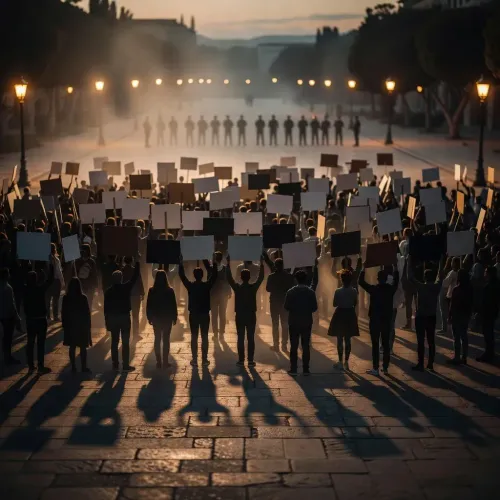
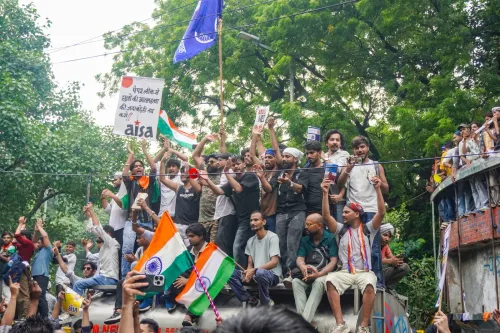
Protesters were lathi-charged at Jantar Mantar on 20 July , triggering violent clashes with law enforcement.
Tensions have spread beyond Delhi, with ripple effects reported in Mumbai and Kolkata .
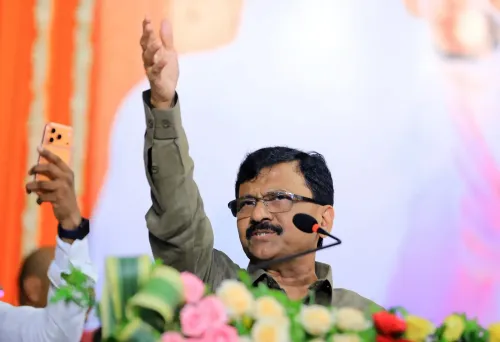
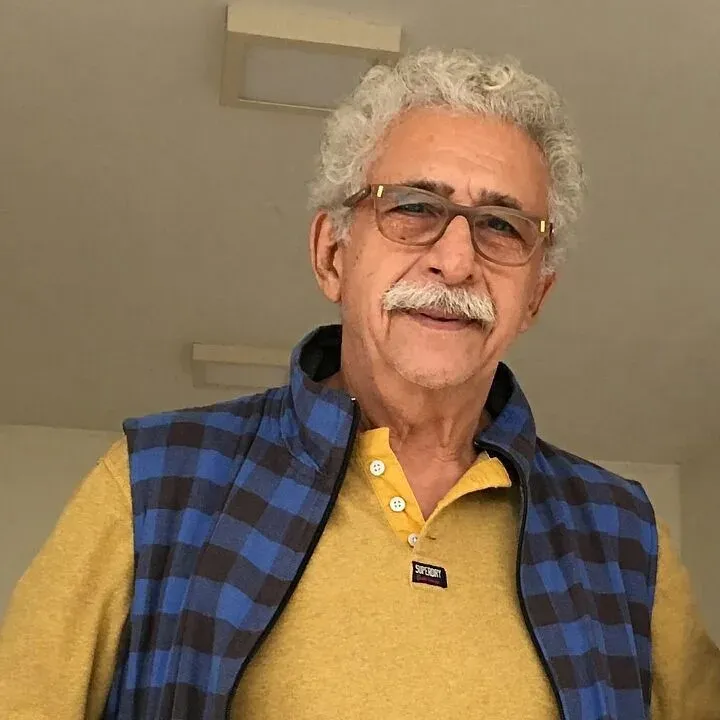
Veteran actor Naseeruddin Shah on Wednesday, 22 July publicly condemned the police crackdown on protesters — particularly students — at Jantar Mantar in New Delhi, calling the treatment of demonstrators an act of cruelty. Shah shared a video on Instagram in which he appeared visibly angry, directing his remarks at both the law enforcement response and the country's political leadership.
What Naseeruddin Shah Said
In the video, Shah drew on his decades of experience in theatre and film education — including training at the National School of Drama and the Film and Television Institute of India (FTII) — to express solidarity with the students. 'The most I have learnt about acting is from those students, from those students whom I have tried to teach. My full sympathy is with them,' he said.
Shah compared the masked personnel deployed at the protest site to American ICE agents, describing them as 'goons with masks on their faces and sticks in their hands.' He urged the government to reflect on the consequences of its actions: 'Sometimes, think about your children, and also think that one day, you will also face the same fate.'
Addressing the students directly, he added: 'I want to tell all these children not to lose hope. Many people sympathise with you. Keep fighting. I have always had hope from the youth of our country, and now that hope has become even stronger.'
The Jantar Mantar Protests: Background
The demonstrations at Jantar Mantar intensified after climate activist and educator Sonam Wangchuk was forcibly removed from the protest site by Delhi Police in the early hours of 18 July, after completing 21 days of an indefinite hunger strike. Authorities shifted him to a hospital, citing deteriorating health, medical advice, and compliance with a Delhi High Court order.
Wangchuk had been on hunger strike demanding the resignation of Union Education Minister Dharmendra Pradhan over alleged irregularities in competitive examinations. As of the time of Shah's statement, Wangchuk had entered day 24 of his strike and vowed to continue despite the crackdown.
NEET Paper Leak and Escalating Tensions
The protests are rooted in widespread outrage over exam paper leaks, most notably the NEET paper leak, which brought the integrity of India's competitive examination system under intense public scrutiny. On 20 July, protesters at Jantar Mantar were subjected to a lathi-charge by police, triggering violent clashes and drawing sharp criticism from civil society.
The political atmosphere in the national capital has been described as tense and volatile, with demonstrations and solidarity actions reported in cities including Mumbai and Kolkata.
Broader Significance
Shah's intervention adds a prominent cultural voice to a protest movement that has drawn students, educators, and civil society members. This comes amid a pattern of public figures — from academia, film, and civil society — expressing solidarity with student-led agitations over examination integrity in recent months. The government has not yet publicly responded to Shah's remarks.
With Wangchuk's hunger strike continuing and protests showing no sign of abating, the pressure on the Centre to address the underlying grievances around exam irregularities remains significant.
Point of View
Designed to internationalise the optics of the crackdown. What mainstream coverage underplays is how the NEET paper leak has fused two previously separate grievances — examination integrity and state overreach — into a single, volatile flashpoint. The government's silence on Shah's remarks, and its continued pressure on Wangchuk despite a court-ordered hospitalisation, suggests it is betting that the movement will exhaust itself. That is a significant political gamble with a generation of exam-going youth watching.
NationPress
20 Oct 2026
Frequently Asked Questions
What did Naseeruddin Shah say about the Jantar Mantar crackdown?
Naseeruddin Shah posted an Instagram video on 22 July strongly condemning the police treatment of student protesters at Jantar Mantar, comparing masked personnel to American ICE agents and urging the government to reflect on its actions. He expressed full sympathy with the students and called on them not to lose hope.
Why are students protesting at Jantar Mantar?
The protests are primarily driven by outrage over alleged irregularities in competitive examinations, most notably the NEET paper leak. Activist Sonam Wangchuk has been on an indefinite hunger strike demanding the resignation of Union Education Minister Dharmendra Pradhan over these alleged irregularities.
What happened to Sonam Wangchuk at Jantar Mantar?
Delhi Police forcibly removed Sonam Wangchuk from the Jantar Mantar protest site in the early hours of 18 July, after he had completed 21 days of an indefinite hunger strike. Authorities shifted him to a hospital citing deteriorating health and compliance with a Delhi High Court order; he subsequently vowed to continue his strike.
What was the lathi-charge incident on 20 July?
On 20 July, Delhi Police lathi-charged protesters gathered at Jantar Mantar, leading to violent clashes between demonstrators and law enforcement. The incident drew widespread criticism and intensified the political atmosphere in the national capital.
Why did Naseeruddin Shah reference his acting training in the video?
Shah cited his training at the National School of Drama and FTII to establish a personal connection with students, arguing that he had learnt more from the students he taught than from his formal education. The reference was intended to underscore the depth of his solidarity with the protesters.