Sonam Wangchuk removed from Jantar Mantar: Dadlani, Prakash Raj slam govt
Synopsis
After 21 days of hunger strike at Jantar Mantar, Sonam Wangchuk was forcibly removed by Delhi Police on 18 July — a move his supporters called a crackdown on peaceful dissent. The incident has drawn fierce public backlash, with Vishal Dadlani and Prakash Raj among the voices accusing the Union government of silencing legitimate protest over the NEET paper leak scandal.
Key Takeaways
Sonam Wangchuk was forcibly removed by Delhi Police from Jantar Mantar on 18 July after 21 days of an indefinite hunger strike.
Authorities cited deteriorating health, medical advice, and a Delhi High Court order; supporters alleged the removal was non-consensual.
Music composer Vishal Dadlani condemned the action via an Instagram video, calling it an act of 'cowardice'.
Actor Prakash Raj posted on X , labelling the government 'coward' and 'Dictators' for disrupting a peaceful student protest.
Wangchuk's protest demanded the resignation of Education Minister Dharmendra Pradhan over alleged exam irregularities, including the NEET paper leak.
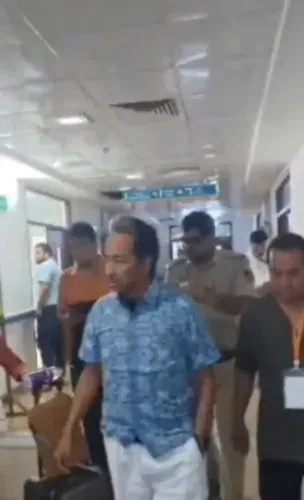
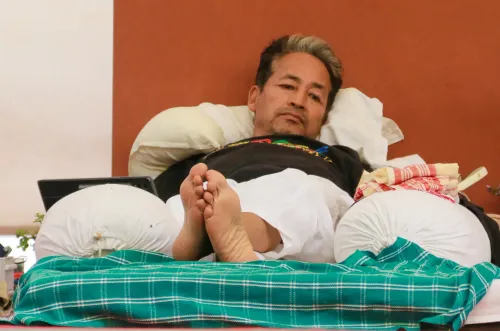
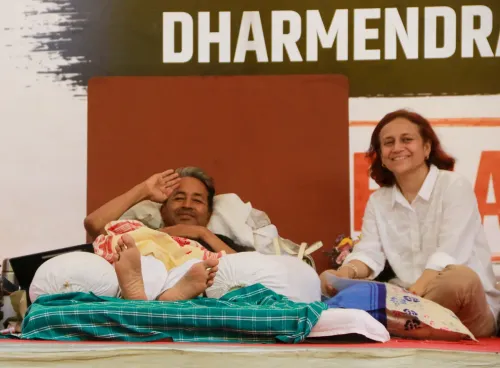
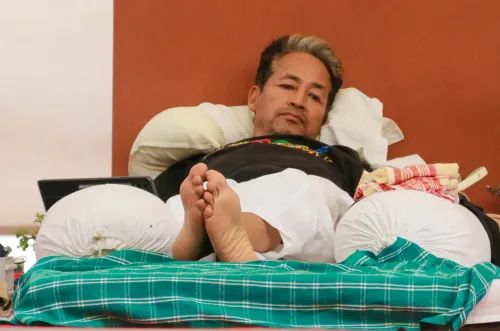
Activist and innovator Sonam Wangchuk was forcibly removed by Delhi Police from his protest site at Jantar Mantar, New Delhi, in the early hours of 18 July, after completing 21 days of an indefinite hunger strike. The removal drew sharp condemnation from public figures including music composer Vishal Dadlani and veteran actor Prakash Raj, who accused the Union government of suppressing peaceful democratic dissent.
The Removal and Official Justification
Authorities shifted Wangchuk to a hospital, citing his deteriorating health, medical advice, and compliance with a Delhi High Court order. Police maintained that only minimal force was used and that protesters briefly obstructed the operation. Wangchuk's supporters, however, alleged the removal was carried out without his consent and described it as a crackdown on a peaceful protest.
What Vishal Dadlani Said
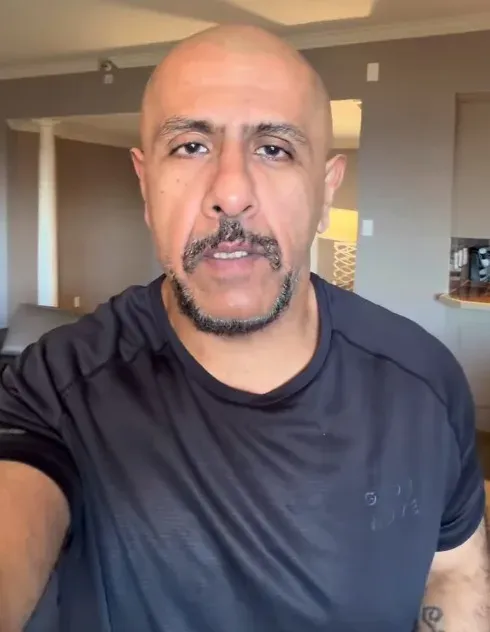
Composer Vishal Dadlani posted a video on Instagram on Saturday expressing his frustration. 'Have you ever seen such cowardice? They forcefully took away Sonam ji. What they are doing to this country, this is... Breaks my heart, it breaks my heart. My countrymen, when will you wake up? If you don't wake up now, when will you wake up? I don't know what to say, I don't know what to think, I don't know what to... I just wish I was there to help in some way. My brain is bursting with anger right now,' he said.
Prakash Raj's Broadside on X
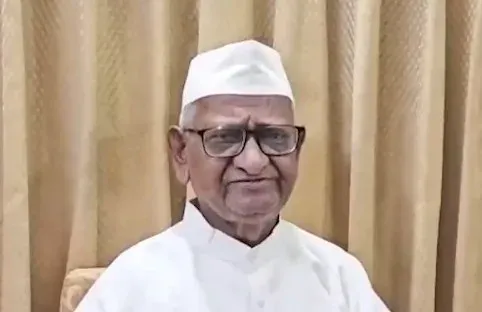
Veteran actor Prakash Raj took to X (formerly Twitter) to call the central government a 'coward' administration. In his post, he wrote: 'World is witnessing a Coward government who don't want to engage in a dialogue with the youth but want to behave like Dictators. Forcibly taking away @Wangchuk66 and disrupting Students peaceful protest is a sign of Fear. What a SHAME.'
Why Wangchuk Was Protesting
Sonam Wangchuk had been on hunger strike demanding the resignation of Union Education Minister Dharmendra Pradhan over alleged irregularities in competitive examinations. His protest came amid the broader controversy over the NEET paper leak, which involved allegations of question paper leaks, irregularities, and unfair advantages in India's medical entrance exam conducted by the National Testing Agency (NTA). Unusually high numbers of top scorers and perfect marks had raised nationwide concerns, triggering student protests demanding transparency, a re-test, and accountability.
Wider Context and What Comes Next
The government defended the exam process while multiple agencies investigated the extent of alleged malpractice. The NEET controversy has severely dented public trust in India's centralised examination system. Notably, this is not the first time protests at Jantar Mantar have ended in disputed removals — the site has historically served as a flashpoint between civil society and the state. With Wangchuk now hospitalised, his supporters have indicated they will continue pressing for answers on exam integrity and ministerial accountability.
Point of View
But the optics of a midnight operation against a 21-day hunger striker are difficult to manage. What is striking is the silence from within the ruling establishment: no senior minister has directly engaged with Wangchuk's core demand on exam integrity. That silence, more than the removal itself, risks deepening the perception that the Centre is managing the protest rather than the problem.
NationPress
17 Oct 2026
Frequently Asked Questions
Why was Sonam Wangchuk removed from Jantar Mantar?
Sonam Wangchuk was removed by Delhi Police in the early hours of 18 July after completing 21 days of an indefinite hunger strike. Authorities cited his deteriorating health, medical advice, and compliance with a Delhi High Court order as justification for the removal.
What was Sonam Wangchuk protesting about?
Wangchuk was demanding the resignation of Union Education Minister Dharmendra Pradhan over alleged irregularities in competitive examinations, particularly the NEET paper leak. The NEET controversy involved allegations of question paper leaks and unfair advantages in India's medical entrance exam conducted by the National Testing Agency.
What did Vishal Dadlani say about the removal?
Vishal Dadlani posted a video on Instagram calling the government's action an act of 'cowardice' and expressing deep frustration. He said his 'brain is bursting with anger' and appealed to fellow citizens to take note of the situation.
What did Prakash Raj post on X about the incident?
Prakash Raj posted on X (formerly Twitter) calling the central government a 'coward' administration that behaves 'like Dictators.' He said forcibly removing Wangchuk and disrupting a peaceful student protest was 'a sign of Fear' and called it 'a SHAME.'
What is the NEET paper leak controversy?
The NEET paper leak controversy involves allegations of question paper leaks, irregularities, and unfair advantages in India's medical entrance exam conducted by the National Testing Agency. Unusually high numbers of perfect scorers raised suspicion, prompting student protests, government investigations, and demands for a re-test and greater accountability.