Sonowal hails Skyroot's Vikram-1 as India's private space leap
Synopsis
Union Minister Sarbananda Sonowal hailed Skyroot Aerospace's Mission Aagaman and the orbital launch of Vikram-1 on 18 July 2026, saying it makes India only the third country globally to achieve private orbital launch capability — a milestone he attributed to PM Modi's space sector reforms.
Key Takeaways
Mission Aagaman by Skyroot Aerospace achieved an orbital launch of the Vikram-1 rocket, according to Union Minister Sarbananda Sonowal's post on 18 July 2026 .
Sonowal claimed India is now only the third country in the world to achieve private orbital launch capability.
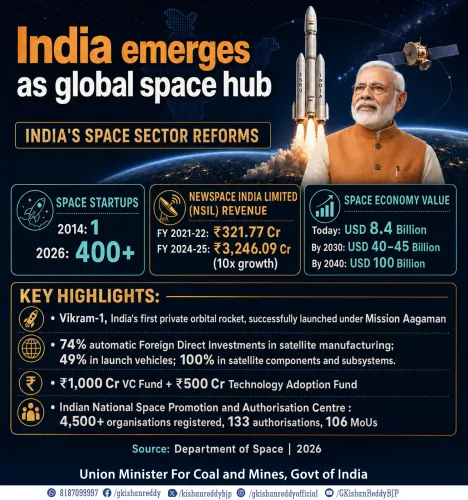
The milestone is rooted in India's 2020 space sector liberalisation , which created IN-SPACe and opened launch authorisation to private companies.
Skyroot Aerospace is a Hyderabad -based startup developing the Vikram series of launch vehicles.
The achievement is being framed within the Aatmanirbhar Bharat and Viksit Bharat policy goals championed by PM Narendra Modi .
Next steps include further IN-SPACe licensing decisions and potential parliamentary debate on the Space Activities Bill .
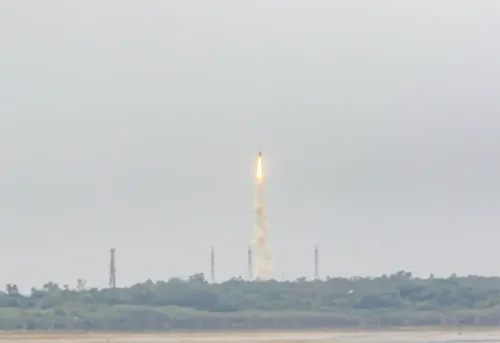
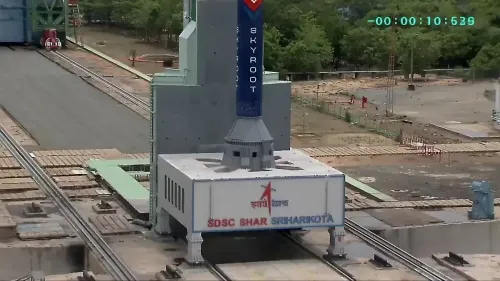
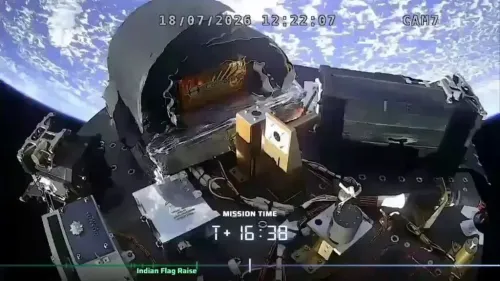
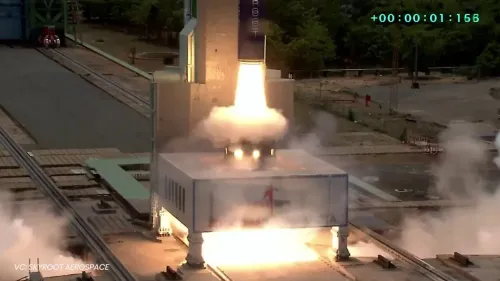
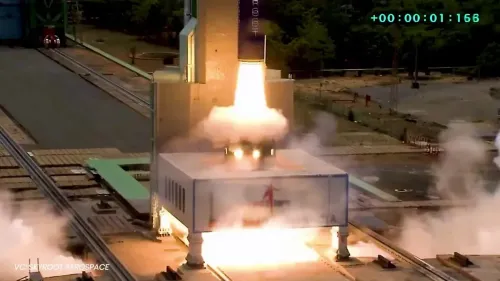
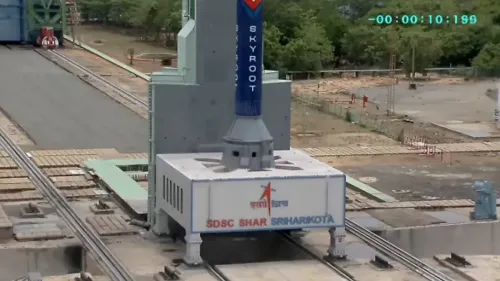
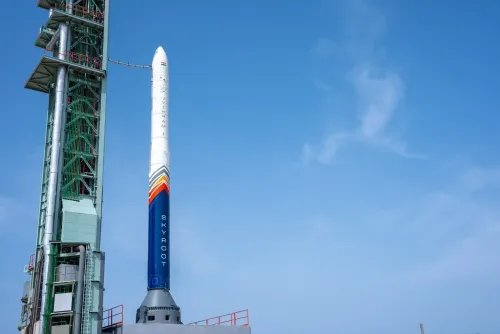
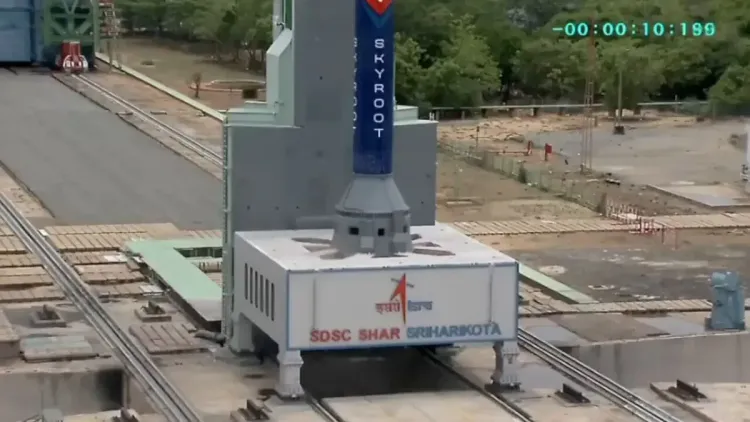
Union Minister of Ports, Shipping and Waterways Sarbananda Sonowal on Saturday, 18 July 2026, congratulated Skyroot Aerospace on the successful completion of Mission Aagaman, describing the orbital launch of the Vikram-1 rocket as a historic milestone that makes India only the third country in the world to achieve private orbital launch capability.
Context
Sonowal, a senior BJP leader and former Chief Minister of Assam, posted on X calling the launch a 'grand success' and a 'brilliant testament to our Yuva Shakti.' He credited the achievement to 'transformative space sector reforms spearheaded by Hon'ble PM Shri Narendra Modi Ji,' framing it within the broader Aatmanirbhar Bharat and Viksit Bharat policy vision. The post was accompanied by a video and carried the hashtag #IndiaWithVikram1.
Skyroot Aerospace, a Hyderabad-based private space startup, has been developing the Vikram series of launch vehicles as part of India's expanding commercial space ecosystem. Mission Aagaman marks the company's attempt at a full orbital insertion — a significantly more complex feat than a suborbital flight.
Policy Backdrop
The launch is the direct product of India's 2020 space sector liberalisation, when the government established the Indian National Space Promotion and Authorisation Centre (IN-SPACe) to open launch authorisation and spectrum allocation to private players — functions previously held exclusively by ISRO. Complementary policies on space communications and space technology were released in the same period to provide a regulatory framework for startups.
The reform mirrored moves in the United States, where private companies were granted orbital launch rights, and was explicitly positioned as a pillar of the Aatmanirbhar Bharat initiative in strategic technologies. If India has indeed joined an exclusive group of nations with private orbital launch capability, it would represent a significant validation of that policy shift made roughly six years ago.
Stakeholders and Impact
The beneficiaries of a successful private orbital launch extend well beyond Skyroot Aerospace itself. A proven orbital vehicle opens a commercial market for satellite deployment, attracting domestic and international payloads and reducing India's dependence on foreign launch providers. It also signals to other Indian deep-tech startups that the regulatory and technical environment can support end-to-end private space missions.
For India's youth — whom Sonowal specifically invoked as 'breaking the space ceiling' — the launch serves as a high-visibility proof point that private enterprise in frontier technology is viable domestically. The government has consistently used such milestones to encourage STEM careers and startup formation in the space sector.
What's Next
Attention will now turn to IN-SPACe and its pipeline of licensing decisions for other private launch vehicle developers waiting in queue. Parliament is also expected to take up the long-pending Space Activities Bill, which would provide a comprehensive statutory basis for private space operations currently governed through executive orders and policy circulars. A successful Mission Aagaman could accelerate legislative momentum on that front.
More immediately, Skyroot Aerospace is likely to move toward commercialising the Vikram-1 platform, potentially announcing its first paying satellite customers. India's positioning as the third country with private orbital launch capability — if confirmed by independent technical verification — would be a significant marketing and diplomatic asset in the global commercial space race.
Point of View
World-class results. By invoking 'Yuva Shakti' and the 'Viksit Bharat' frame, the minister ties a private-sector achievement to a state-led vision — a pattern the ruling party has deployed consistently across defence, semiconductors, and now space. The 'third country' claim, if independently verified, would give India a potent diplomatic and commercial argument in the fast-consolidating global launch market. Longer term, the success puts pressure on Parliament to pass the Space Activities Bill and give the sector the statutory certainty it needs to scale.
NationPress
17 Oct 2026
Frequently Asked Questions
What is Mission Aagaman and why is it significant?
Mission Aagaman is Skyroot Aerospace's orbital launch mission using the Vikram-1 rocket. It is significant because, according to Union Minister Sarbananda Sonowal, it makes India only the third country in the world to achieve private orbital launch capability.
Who is Skyroot Aerospace?
Skyroot Aerospace is a Hyderabad-based private space startup that develops the Vikram series of launch vehicles. It operates under the regulatory framework established by IN-SPACe after India's 2020 space sector liberalisation.
What reforms enabled private orbital launches in India?
In 2020, the Government of India established IN-SPACe (Indian National Space Promotion and Authorisation Centre) and released SpaceCom and SpaceTech policies, transferring launch authorisation from ISRO to a dedicated body that allows private companies to conduct space missions.
What did Minister Sonowal say about Vikram-1?
Sonowal called the launch a 'grand success' and a 'brilliant testament to our Yuva Shakti,' crediting PM Narendra Modi's space sector reforms and saying India's youth are 'breaking the space ceiling' as part of the Aatmanirbhar Bharat journey.
What comes next after Mission Aagaman's success?
Analysts expect IN-SPACe to accelerate licensing for other private launch vehicle developers, while Parliament may take up the long-pending Space Activities Bill to provide a statutory framework for India's growing private space industry.