China's economic vulnerabilities pose growing strategic risks for Europe
Synopsis
A new analysis warns that China's structural economic weaknesses — overcapacity, debt, a shrinking workforce, and a property crisis — are not just Beijing's problem. They are actively generating strategic and competitive risks for Europe, and the EU's long-held assumption that China's rise would lead to political liberalisation has proven dangerously misplaced.
Key Takeaways
China faces overlapping structural challenges including an ageing population , property sector crisis , high debt, and weak domestic consumption , according to an analysis by The Diplomat .
Excess Chinese industrial capacity, backed by state subsidies , is enabling aggressive pricing that threatens European manufacturers' competitiveness.
China's dominance in strategic industries risks deepening Europe's technological dependence on Beijing.
The report recommends the EU diversify supply chains and use market access and technology cooperation as negotiating leverage — stopping short of full decoupling.
Brussels is urged to seek concessions on export surges, dual-use goods shipments to Russia , and localisation requirements for Chinese investments in Europe.
Inaction, the report warns, could erode Europe's industrial base and weaken democratic credibility on economic security.
China's deepening structural economic vulnerabilities are generating fresh strategic and financial risks for Europe, with Beijing adopting an increasingly assertive posture at home and abroad even as its growth trajectory slows, according to an analysis by The Diplomat. The report argues that Europe can no longer afford to operate on the assumption that China's rise will be uninterrupted or that economic integration will eventually produce political liberalisation.
Structural Pressures Weighing on China
Despite remaining a formidable global industrial powerhouse, technology innovator, and geopolitical force, China is grappling with a cluster of interlocking structural challenges. These include an ageing population, a shrinking workforce, a prolonged property sector crisis, weak domestic consumption, elevated debt levels, and decelerating economic growth.
These pressures have prompted Chinese households to prioritise saving over spending, suppressing domestic demand. In response, Chinese firms have reportedly turned to aggressive overseas expansion to sustain output and revenue, according to the analysis.
Industrial Overcapacity and Competitive Pressure on Europe
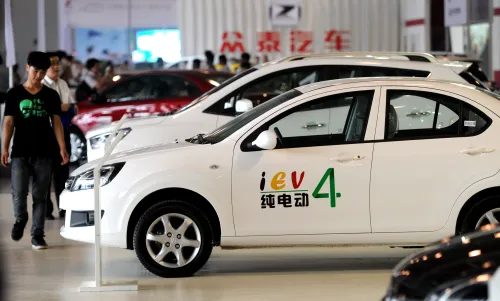
The report warns that excess industrial capacity — underpinned by substantial state subsidies — has enabled Chinese companies to engage in aggressive pricing strategies. This poses a mounting challenge to the competitiveness of manufacturers across Europe and other global markets.
Notably, China's expanding dominance in strategic industries risks deepening global dependence on Chinese technology, which in turn increases Europe's exposure to political and economic leverage from Beijing. The report describes this as a long-term structural vulnerability that European policymakers have been slow to address.
What the Report Recommends for Europe
Rather than advocating full economic decoupling — which it characterises as neither practical nor desirable — the analysis calls on the European Union (EU) to pursue a more pragmatic, interest-driven strategy. Specific recommendations include diversifying supply chains, reinforcing Europe's own technological leadership, and deploying market access, investment, and technology cooperation as negotiating leverage with Beijing.
The report also urges Brussels to strengthen trade defence mechanisms, deepen engagement with partners across the Global South, and press China for concrete concessions — including on export surges, the shipment of dual-use goods to Russia, and stricter localisation requirements for Chinese investments within Europe.
Consequences of Inaction
Failing to respond adequately, the report cautions, could accelerate the erosion of Europe's industrial base and undermine confidence in the capacity of European democracies to protect their long-term economic and strategic interests. This comes amid a broader global debate about supply chain resilience and the geopolitical risks of over-dependence on a single manufacturing ecosystem.
With the EU already navigating trade tensions with both Washington and Beijing, the analysis adds fresh urgency to calls for a recalibrated European China strategy — one grounded in strategic realism rather than optimistic assumptions about convergence.
Point of View
Liberalising China; it is poorly equipped for a stagnating, assertive one. The overcapacity problem is particularly acute: Chinese firms exporting their way out of a domestic demand slump will not stop at European market share — they will reshape global pricing in sectors Europe considers strategic. The EU's instinct to avoid decoupling is defensible, but the report is right that 'pragmatic engagement' requires actual leverage, which Brussels has been reluctant to deploy. The window to build that leverage is narrowing.
NationPress
18 Jul 2026
Frequently Asked Questions
What are China's main economic vulnerabilities flagged in the report?
The analysis identifies an ageing population, a shrinking workforce, a prolonged property sector crisis, weak domestic consumption, high debt, and slowing economic growth as China's primary structural vulnerabilities. Together, these pressures are suppressing domestic demand and pushing Chinese firms to expand aggressively into overseas markets.
How do China's vulnerabilities create risks for Europe specifically?
China's excess industrial capacity — subsidised by the state — allows Chinese companies to undercut European manufacturers on price. Additionally, China's growing dominance in strategic technology sectors risks increasing Europe's dependence on Chinese supply chains, exposing the EU to political and economic pressure from Beijing.
Does the report recommend that Europe decouple from China?
No. The report explicitly describes full economic decoupling as neither practical nor desirable. Instead, it recommends that the EU diversify supply chains, strengthen its own technological capabilities, and use market access and investment as bargaining tools in negotiations with Beijing.
What specific concessions is Europe urged to seek from China?
The report calls on Brussels to press Beijing for concessions on export surges into European markets, the shipment of dual-use goods to Russia, and stricter localisation requirements for Chinese investments operating within Europe.
What happens if Europe fails to respond to these risks?
According to the report, inaction risks accelerating the erosion of Europe's industrial base and could undermine confidence in European democracies' ability to protect their long-term economic and strategic interests.