CM Bhupendra Patel urges farmers to adopt natural farming, ditch plastic
Synopsis
Gujarat Chief Minister Bhupendra Patel met farmers and villagers on 18 July 2026, urging wholehearted adoption of natural farming and a switch from plastic to paper bags, framing nature conservation as a shared community responsibility.
Key Takeaways
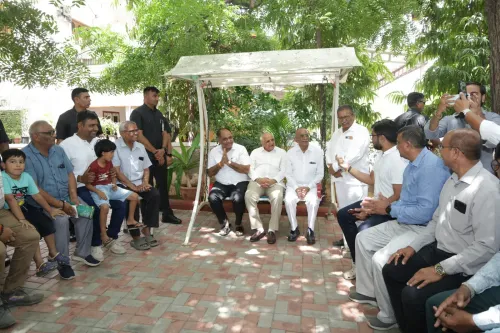
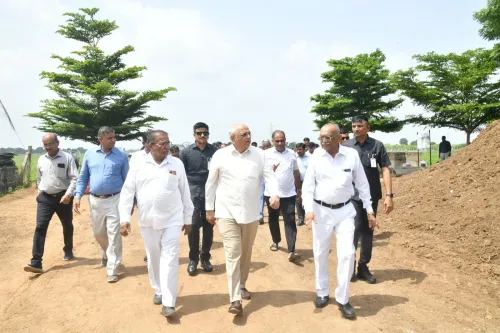
Gujarat CM Bhupendra Patel conducted a rural village outreach on 18 July 2026 , meeting farmers and villagers to discuss agricultural schemes and local amenities.
He urged farmers to 'wholeheartedly adopt' natural farming, aligning with the central government's Paramparagat Krishi Vikas Yojana launched in 2015 .
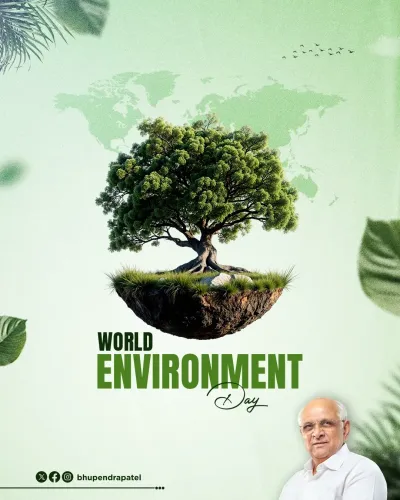
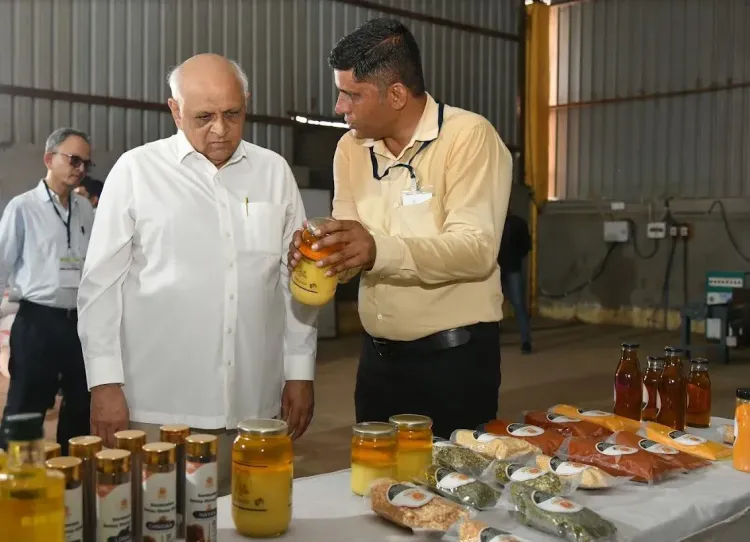
Patel called on residents to stop using single-use plastic and switch from plastic bags to paper bags in daily life.
The appeal reinforces India's nationwide single-use plastic ban that came into effect in July 2022 under Plastic Waste Management Rules.
The CM framed nature conservation as a collective responsibility, stating the duty 'is ours to fulfil together.' Gujarat has run annual agricultural extension outreach drives since the mid-2000s, linking scheme promotion with sustainability messaging.
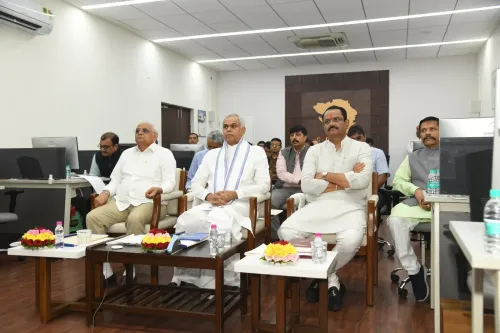
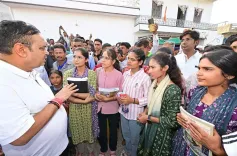
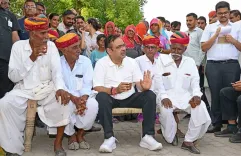
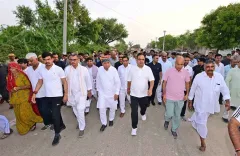
Gujarat Chief Minister Bhupendra Patel on Saturday, 18 July 2026, met with villagers and farmers during a rural outreach visit, discussing agricultural schemes and village amenities while urging communities to embrace natural farming and abandon single-use plastic in daily life.
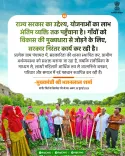
Posting in Gujarati on X, CM Patel said he held discussions with gramjanon ane kheduto (villagers and farmers) on various village facilities and agriculture-focused schemes. He urged everyone to 'wholeheartedly adopt natural farming' and to stop using single-use plastic, specifically calling for a switch from plastic bags to paper bags. He added: 'The responsibility of protecting nature is ours to fulfil together.'
Context
Bhupendra Patel has served as Gujarat's Chief Minister since September 2021, leading a state that carries a large rural farming population alongside its industrial base. Outreach visits to villages — where the CM engages directly with farmers on scheme uptake and sustainability — have been a recurring feature of BJP-led administrations in Gujarat, continuing a tradition of annual agricultural extension drives that the state has conducted since the mid-2000s.
The dual message — natural farming adoption alongside plastic reduction — reflects a convergence of two distinct but related policy priorities that the state government has been pushing simultaneously in recent years.
Policy Backdrop
The call for natural farming aligns with the Paramparagat Krishi Vikas Yojana (PKVY), a central government scheme launched in 2015 to promote organic and natural farming clusters and reduce chemical input use across states, including Gujarat. The scheme supports farmer groups in transitioning away from synthetic fertilisers and pesticides toward traditional and zero-budget farming methods.
On plastic, CM Patel's appeal reinforces the Government of India's nationwide ban on identified single-use plastic items, which came into effect in July 2022 under the amended Plastic Waste Management Rules. Rural markets and agricultural supply chains have been a particular focus of enforcement efforts, given the volume of plastic packaging used in agrochemical and seed distribution.
Stakeholders and Impact
The primary beneficiaries of natural farming adoption are Gujarat's farming communities, who stand to reduce input costs over time while improving soil health. For rural households more broadly, the shift from plastic to paper bags addresses a localised but persistent source of soil and water contamination in villages.
The message also carries weight for agri-input suppliers and local traders, who would need to adapt packaging and distribution practices to comply with the plastic ban. State agencies responsible for agricultural extension and waste management are the key implementing bodies for both policy tracks.
What's Next
Attention will turn to district-level reporting on the adoption of natural farming clusters and enforcement drives against single-use plastic in rural markets during the 2026-27 agricultural season. Gujarat's performance on both fronts will be a marker of how effectively state-level outreach translates into measurable on-ground change — and whether the twin push on sustainable agriculture and plastic reduction gains traction beyond the visit circuit.
Point of View
A pattern consistent with how BJP-led state governments have operationalised post-2014 sustainability goals at the local level. The emphasis on community ownership ('ours to fulfil together') is a deliberate framing that deflects top-down enforcement optics in favour of participatory responsibility. For Gujarat, which must balance its identity as an industrial powerhouse with rural welfare commitments ahead of the 2026-27 agricultural season, such outreach serves both policy and political purposes. The real test will be whether district-level adoption and enforcement data back the messaging.
NationPress
18 Jul 2026
Frequently Asked Questions
What did Gujarat CM Bhupendra Patel say about natural farming?
CM Patel urged farmers to wholeheartedly adopt natural farming during a village outreach visit on 18 July 2026, aligning with the central government's Paramparagat Krishi Vikas Yojana scheme that supports organic and natural farming clusters.
What is the single-use plastic ban in India?
The Government of India notified a nationwide ban on identified single-use plastic items effective July 2022 under the amended Plastic Waste Management Rules, targeting items like plastic bags, straws, and cutlery.
What is Paramparagat Krishi Vikas Yojana?
Paramparagat Krishi Vikas Yojana (PKVY) is a central government scheme launched in 2015 to promote organic and natural farming clusters, helping farmers reduce chemical input use and transition to sustainable agricultural practices.
Why is Gujarat CM promoting paper bags over plastic bags?
CM Patel called for replacing plastic bags with paper bags to reduce single-use plastic pollution in rural areas, reinforcing India's 2022 plastic ban and addressing soil and water contamination caused by plastic waste in villages.
What is Gujarat's approach to agricultural outreach?
Gujarat has conducted annual agricultural extension outreach drives since the mid-2000s, where officials visit villages to discuss scheme uptake, sustainable farming practices, and environmental issues directly with farmers and rural communities.