Vikram-1 launch: Skyroot makes India's 1st private orbital rocket a reality
Synopsis
India just crossed a threshold that only the US and China had crossed before — a private company putting a rocket into orbit. Skyroot Aerospace's Vikram-1, launched from Sriharikota on 18 July, is not just a startup milestone; it is a signal that India's post-liberalisation space sector has genuine orbital ambition, and the commercial implications for the global small-satellite launch market could be significant.
Key Takeaways
Skyroot Aerospace launched Vikram-1 , India's first privately developed orbital rocket, on 18 July from Sriharikota, Andhra Pradesh .
The mission, called Mission Aagaman , targets a Low Earth Orbit at roughly 450 km altitude.
India became only the third country — after the United States and China — where a private company has demonstrated orbital launch capability.
Vikram-1 is named after Dr.
Vikram Sarabhai and is designed for rapid, on-demand small-satellite launches.
The launch follows Skyroot's earlier Vikram-S suborbital mission under Operation Prarambh in November 2022 .
Prime Minister Narendra Modi called it 'a historic new frontier for India's space journey' ahead of the launch.
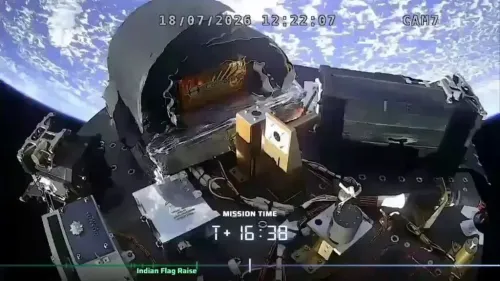
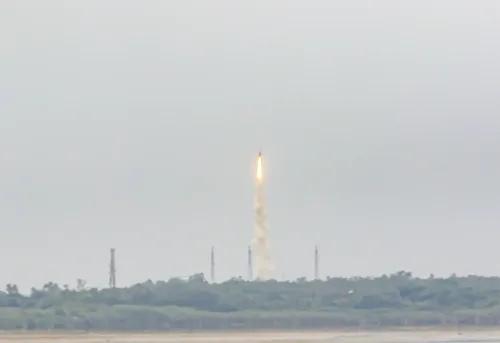
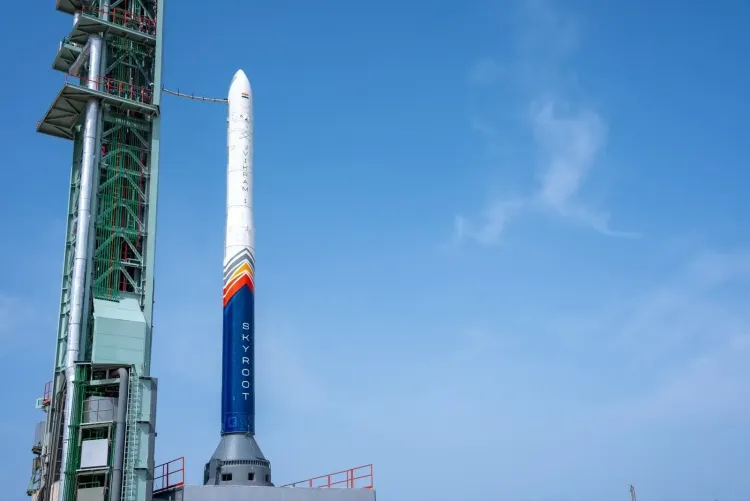
Skyroot Aerospace, the Hyderabad-based space startup, successfully launched Vikram-1 — India's first privately developed orbital rocket — on Saturday, 18 July, under Mission Aagaman, making India only the third country after the United States and China to have a private company capable of placing a rocket into orbit. The four-stage launch vehicle lifted off from the Indian Space Research Organisation's (ISRO) First Launch Pad at the Satish Dhawan Space Centre (SDSC-SHAR) in Sriharikota, Andhra Pradesh.
Historic Lift-Off from Sriharikota
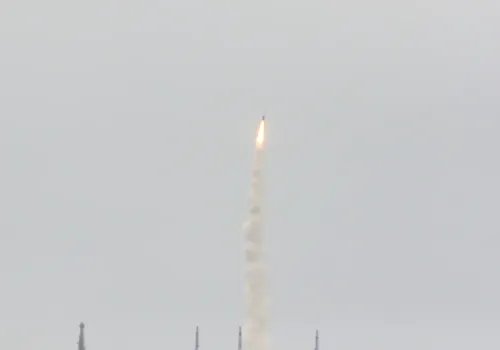
The seven-storey rocket cleared the launch tower within seconds of ignition, targeting a Low Earth Orbit (LEO) at an altitude of approximately 450 km. Skyroot confirmed the milestone in a post on social media platform X: 'LIFT-OFF! Vikram-1 has left the pad at Sriharikota. India's first privately developed orbital rocket is flying. History is being made.' The company followed up with a second update: 'Safe tower clearance. At T+10 seconds, Vikram-1 Test Flight-1 has cleared the launch tower.'
About the Vikram-1 Rocket
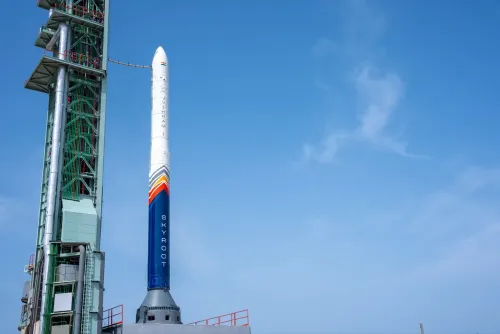
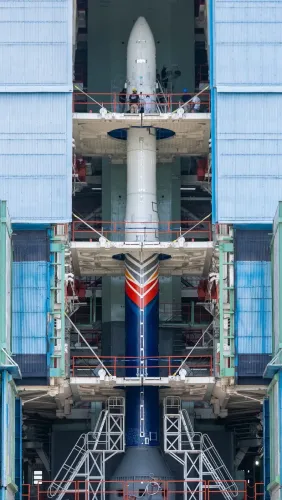
Named in honour of Dr. Vikram Sarabhai, widely regarded as the father of India's space programme, the Vikram-1 is a four-stage orbital launch vehicle designed to deliver rapid, on-demand launch services for small satellites. Skyroot has articulated its long-term commercial vision as a 'cab service to space' — offering customers dedicated launches into specific orbits with the flexibility and speed that traditional government-led missions cannot match.
Mission Aagaman in Context
Mission Aagaman is Skyroot's second space mission, building on the momentum of Operation Prarambh in November 2022, when the company's Vikram-S suborbital rocket became the first privately built rocket to reach space from Indian soil. That earlier mission validated the company's propulsion technology and cleared the regulatory path for an orbital attempt. Saturday's launch represents the logical and far more ambitious next step — actual orbital insertion, which demands sustained thrust, stage separation, and precise trajectory management over several minutes of flight.
Government Backing and PM Modi's Response
Prime Minister Narendra Modi had described the launch as 'a historic new frontier for India's space journey' ahead of the mission, extending his wishes to the Skyroot team. In a post on social media platform X, Modi said the mission reflected the talent, determination, and entrepreneurial spirit of India's youth, and demonstrated how the country's space-sector reforms are unlocking new opportunities for innovation and enterprise. The Centre's decision to open the space sector to private players — formalised through the establishment of IN-SPACe (Indian National Space Promotion and Authorisation Centre) — is widely credited with enabling ventures like Skyroot to operate from ISRO infrastructure.
What This Means for India's Commercial Space Sector
The successful orbital launch places India in an exclusive club and significantly strengthens the country's pitch in the global commercial launch market, where demand for dedicated small-satellite launches is growing rapidly. With satellite constellations for broadband, earth observation, and IoT connectivity proliferating, low-cost, flexible launch providers are increasingly sought after. Skyroot's entry as an orbital-class operator could attract international payloads to Indian launch pads, generating foreign exchange and deepening the domestic space ecosystem. The next phase will involve refining reliability across repeated missions — the metric that ultimately determines commercial viability.
Point of View
Not just a headline. India's space liberalisation reforms — long on promise — have now produced a verifiable orbital-class private operator, something neither Europe nor Japan has yet achieved through a comparable private-sector route. The harder question is what comes next: a single successful test flight does not a commercial launch business make. Skyroot will need to demonstrate cadence, reliability, and competitive pricing against established players like Rocket Lab and emerging Chinese commercial providers. The government's role in sustaining this ecosystem — through IN-SPACe facilitation, ISRO infrastructure access, and export clearances for foreign payloads — will be as critical as the engineering achievement celebrated today.
NationPress
17 Oct 2026
Frequently Asked Questions
What is Vikram-1 and who built it?
Vikram-1 is India's first privately developed orbital rocket, built by Hyderabad-based startup Skyroot Aerospace. It is a four-stage launch vehicle named after Dr. Vikram Sarabhai, designed to carry small satellites into Low Earth Orbit on dedicated, on-demand missions.
What is Mission Aagaman?
Mission Aagaman is the name of Skyroot Aerospace's orbital launch campaign that carried Vikram-1 into space on 18 July. It is the company's second space mission, following the suborbital Vikram-S launch under Operation Prarambh in November 2022.
Why is the Vikram-1 launch historically significant?
The launch makes India only the third country in the world — after the United States and China — where a private company has successfully demonstrated the capability to launch a rocket into orbit. It marks a major milestone for India's liberalised commercial space sector.
Where did Vikram-1 launch from?
Vikram-1 lifted off from ISRO's First Launch Pad at the Satish Dhawan Space Centre (SDSC-SHAR) in Sriharikota, Andhra Pradesh, targeting a Low Earth Orbit at an altitude of approximately 450 km.
What did PM Modi say about the Vikram-1 launch?
Prime Minister Narendra Modi described the launch as 'a historic new frontier for India's space journey' ahead of the mission. In a post on social media platform X, he said the mission reflected the talent, determination, and entrepreneurial spirit of India's youth and demonstrated the impact of the country's space-sector reforms.