Goa CM Office Hails Centre as Engine of Women's Empowerment
Synopsis
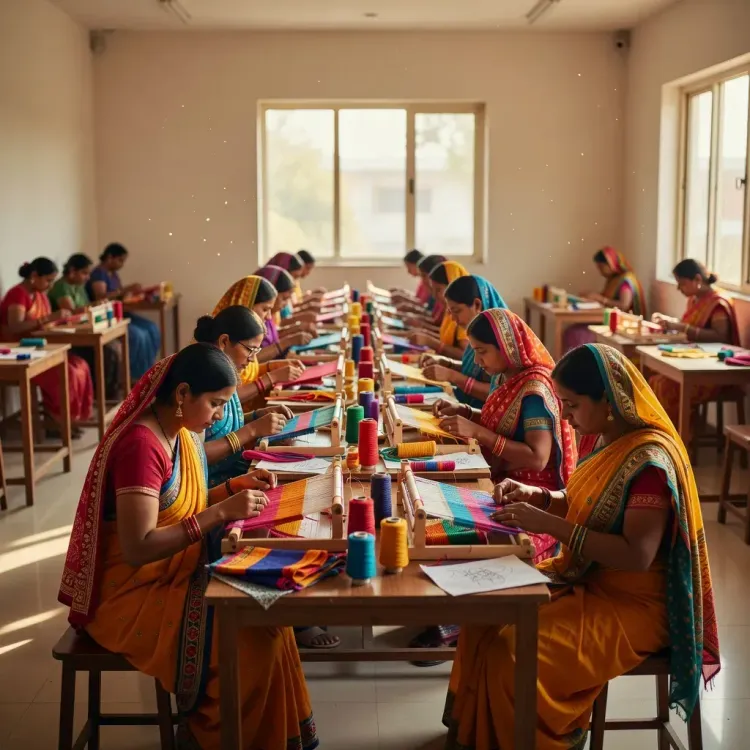
The Chief Minister's Office of Goa hailed a women's training centre as an engine of empowerment on 18 July 2026, saying it equips Nari Shakti with skills and confidence to achieve financial self-reliance, reinforcing the state's alignment with India's push for greater female labour force participation.
Key Takeaways
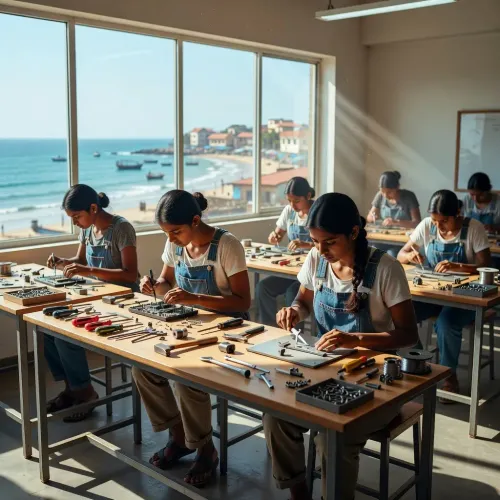
The Chief Minister's Office of Goa on 18 July 2026 described a women's training centre as an 'engine of women's empowerment.' The post emphasised equipping Nari Shakti with skills, confidence, and opportunities to achieve financial Swayampurna (self-reliance).
Chief Minister Pramod Sawant 's administration has consistently used self-reliance branding in its women-centric welfare communications.
India's National Mission for Empowerment of Women , established in 2010 , provides the national policy framework that state programmes like this adapt.
Key stakeholders include women trainees and female entrepreneurs in Goa seeking economic independence.
Future indicators to watch include state budget allocations and placement outcome data from such centres.
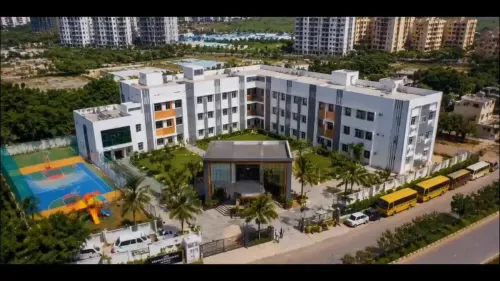
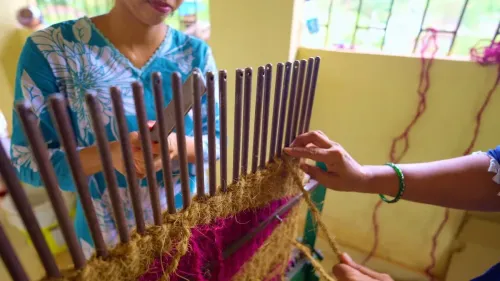
The Chief Minister's Office of Goa on Saturday, 18 July 2026, spotlighted a women's training centre, describing it as more than an institute — calling it an 'engine of women's empowerment' that equips Nari Shakti with skills, confidence, and opportunities to become financially Swayampurna (self-reliant).
Context
The post, shared from the official handle of the Chief Minister's Office of Goa, frames the centre not merely as a vocational facility but as a structural tool for female financial independence. The term Swayampurna — meaning 'self-sufficient' — signals alignment with state-level branding around women's self-reliance that Chief Minister Pramod Sawant's administration has promoted. The reference to Nari Shakti, a widely used phrase denoting women's collective strength, places the announcement within India's broader discourse on gender-inclusive development.Policy Backdrop
India's push for female labour force participation has been anchored at the national level since the National Mission for Empowerment of Women was established in 2010, creating a framework for states to design and fund gender-focused vocational and welfare schemes. Goa, as a small state with a relatively high baseline of female literacy, has periodically adapted central templates to local economic conditions — including tourism, hospitality, and small-scale enterprise — sectors where trained women can enter employment or start micro-businesses. The framing of a training centre as an 'engine' rather than a passive facility reflects a shift in official communication toward outcome-oriented language, emphasising financial independence over mere enrolment numbers.Stakeholders and Impact
The primary beneficiaries of such centres are women trainees seeking vocational skills and female entrepreneurs looking to formalise small businesses. By equipping participants with marketable competencies, the state aims to reduce dependence on household income and expand women's economic agency. Broader gains are expected in household financial resilience and local consumer spending, particularly in semi-urban and rural pockets of Goa where formal employment options for women remain limited. The emphasis on 'confidence' alongside skills in the official messaging suggests the programme also addresses social and psychological barriers to workforce entry, not only technical gaps.What's Next
Attention will now turn to Goa's state budget allocations for scaling similar centres and any legislative measures introduced in the Goa Legislative Assembly to institutionalise women's skill programmes. Advocates for gender equity will watch whether the government publishes outcome data — placement rates, income improvements, and enterprise formation — to substantiate the 'engine of empowerment' claim. Expansion of the model to additional districts and integration with central funding windows could determine whether the initiative becomes a replicable template for other small states pursuing similar goals.Point of View
Particularly ahead of budget cycles and assembly sessions. For Chief Minister Pramod Sawant, consistent use of terms like Swayampurna and Nari Shakti reinforces a development identity for Goa that goes beyond its tourism economy. The real test, however, lies in whether outcome metrics — placements, incomes, enterprise creation — are made public to validate the aspirational language.
NationPress
18 Jul 2026
Frequently Asked Questions
What did the Goa Chief Minister's Office say about the women's training centre?
The Chief Minister's Office of Goa described the centre as 'more than a training institute' and called it an 'engine of women's empowerment' that equips Nari Shakti with skills, confidence, and opportunities to become financially Swayampurna, or self-reliant.
What does Swayampurna mean in the context of Goa's women's scheme?
Swayampurna means 'self-sufficient' or 'self-reliant' in Sanskrit. In the context of Goa's women's empowerment messaging, it refers to women achieving financial independence through vocational training and skill development.
Who is the Chief Minister of Goa overseeing women's empowerment programmes?
Chief Minister Pramod Sawant leads the Government of Goa and has championed women-centric skill development and self-reliance initiatives under the state administration.
What is the national policy behind women's skill development in Indian states?
India's National Mission for Empowerment of Women, established in 2010, provides a central framework that coordinates gender-focused welfare and skill schemes, which states like Goa adapt to local economic conditions.
What should we watch for next regarding Goa's women's training centres?
Key developments to monitor include Goa's state budget allocations for expanding such centres, any new legislation in the Goa Legislative Assembly on women's skill programmes, and official outcome data on placements and income improvements.