Chhattisgarh CMO marks 12 years of Nari Shakti women's push
Synopsis
The Chhattisgarh Chief Minister's Office marked 12 years of Nari Shakti on 12 June 2026, crediting focused policy across education, entrepreneurship, and financial inclusion for enabling millions of women to convert aspirations into achievements since 2014.
Key Takeaways
The Chhattisgarh CMO posted on 12 June 2026 to mark 12 years of the Nari Shakti women's empowerment framework.
The post highlights four pillars: education, entrepreneurship, financial inclusion, and social empowerment .
Central schemes including Pradhan Mantri Mudra Yojana (2015) , Pradhan Mantri Ujjwala Yojana (2016) , and Mahila Shakti Kendra (2017) underpin the policy architecture.
The Beti Bachao Beti Padhao campaign, launched in 2015 , was adopted by Chhattisgarh to improve girls' education and child sex-ratio outcomes.
Primary beneficiaries are rural women and women entrepreneurs across the state's tribal and agrarian communities.
State budget allocations for 2026-27 and new district-level programmes will indicate the next phase of the agenda.
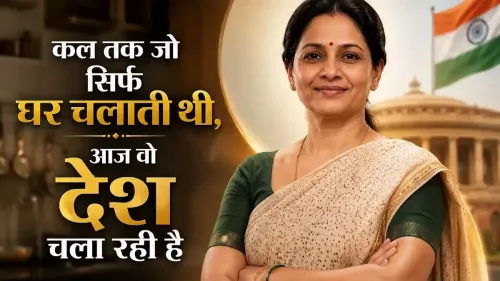
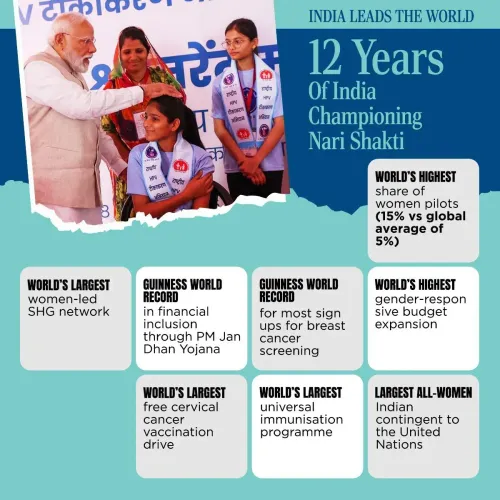
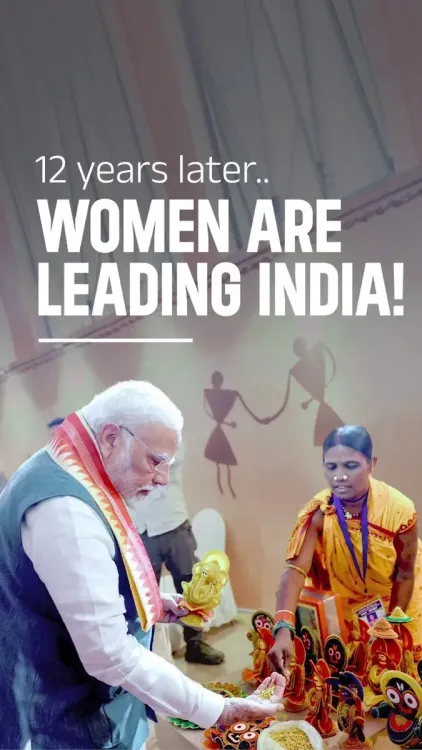
The Chief Minister's Office of Chhattisgarh on Friday, 12 June 2026 marked 12 years of Nari Shakti, celebrating the progress of women across education, entrepreneurship, financial inclusion, and social empowerment since 2014. The post, shared on X, declared that 'empowered women are powering a stronger India' and called on followers to 'witness the remarkable rise of Nari Shakti.'
Context
The Nari Shakti framework has functioned since 2014 as a national-level campaign and messaging umbrella for women's empowerment, spanning financial access, skills development, and social welfare. The Chhattisgarh CMO's post aligns the state government with this broader national arc, using the hashtag #12YearsOfNariShakti to signal a milestone in policy continuity. The message frames the past decade-plus as a period of deliberate, structured effort rather than incidental gain.
Policy Backdrop
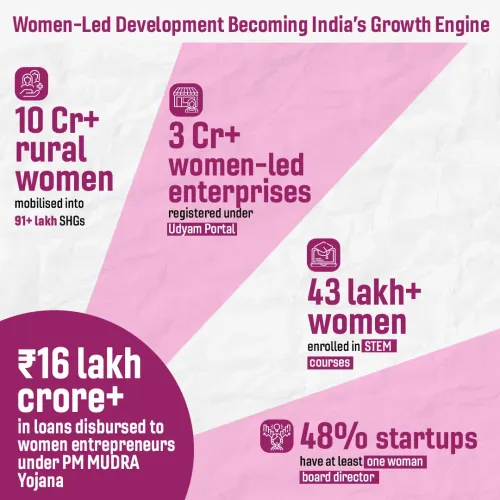
Several central government schemes form the scaffolding for what the post describes. The Pradhan Mantri Mudra Yojana, launched in 2015, extended collateral-free loans to women entrepreneurs at scale. The Pradhan Mantri Ujjwala Yojana of 2016 delivered LPG connections to women heads of households, directly reducing domestic drudgery and improving health outcomes in states like Chhattisgarh with large rural populations.
The Mahila Shakti Kendra scheme, introduced in 2017, established village-level centres offering women legal aid, skill training, and welfare linkages. Alongside these, the Beti Bachao Beti Padhao campaign — launched in 2015 — targeted girls' education and child sex-ratio improvement, with Chhattisgarh among the adopting states. Together, these instruments represent a layered approach to women's inclusion that the state has adapted through local implementation.
Stakeholders and Impact
The primary beneficiaries of this policy architecture are rural women and women entrepreneurs across Chhattisgarh, a state where tribal and agrarian communities make up a significant share of the female population. Financial inclusion instruments have helped women open bank accounts, access credit, and build small enterprises — shifts that researchers link to improved household bargaining power and children's educational outcomes.
The CMO's framing — 'aspirations into achievements' — points to a qualitative shift beyond welfare delivery toward economic agency. By anchoring the message in entrepreneurship and education alongside social empowerment, the state signals that the programme's ambition extends beyond subsidy distribution to structural change in women's participation in the economy.
What's Next
Attention will now turn to state budget allocations for 2026-27 and whether Chhattisgarh announces new district-level entrepreneurship programmes or expanded financial inclusion targets for women. The 12-year milestone framing also sets up a natural moment for a comprehensive state-level audit of outcomes — in literacy, credit access, and labour-force participation — that could shape the next phase of policy design. How the state translates this commemorative messaging into fresh commitments will be the defining test of the Nari Shakti agenda going forward.
Point of View
The messaging signals a shift from a paternalistic welfare framing toward an economic-agency narrative, which has become the dominant register in Indian gender-policy communication since 2014. The timing also functions as a soft accountability claim: 12 years is long enough to invite scrutiny of outcomes, so the post implicitly stakes the administration's credibility on measurable progress. Whether that claim is backed by verifiable state-level data will determine how durable the political dividend of this messaging proves to be.
NationPress
13 Sept 2026
Frequently Asked Questions
What is Nari Shakti and why is 2026 significant for it?
Nari Shakti is a national-level campaign and policy framework for women's empowerment in India, covering education, entrepreneurship, and financial inclusion, launched in 2014. The year 2026 marks 12 years since its inception, which the Chhattisgarh CMO commemorated with a dedicated post on 12 June 2026.
Which central schemes support women's empowerment in Chhattisgarh?
Key central schemes include Pradhan Mantri Mudra Yojana (2015) for collateral-free business loans, Pradhan Mantri Ujjwala Yojana (2016) for LPG connections to women, Mahila Shakti Kendra (2017) for village-level support centres, and Beti Bachao Beti Padhao (2015) for girls' education and child sex-ratio improvement.
What does the Chhattisgarh CMO's Nari Shakti post say?
The post states that 'empowered women are powering a stronger India' and credits 12 years of focused efforts in education, entrepreneurship, financial inclusion, and social empowerment for enabling millions of women to turn aspirations into achievements.
Who benefits most from Nari Shakti schemes in Chhattisgarh?
The primary beneficiaries are rural women and women entrepreneurs, particularly in Chhattisgarh's tribal and agrarian communities, who have gained improved access to credit, skills training, and welfare services through these programmes.
What should we watch for next in Chhattisgarh's women's empowerment agenda?
Key indicators to watch include state budget allocations for women-specific schemes in 2026-27 and any new district-level entrepreneurship or financial inclusion programmes announced by the Chhattisgarh government in the coming months.