Shekhawat hails Vikram-1 launch as milestone for private space
Synopsis
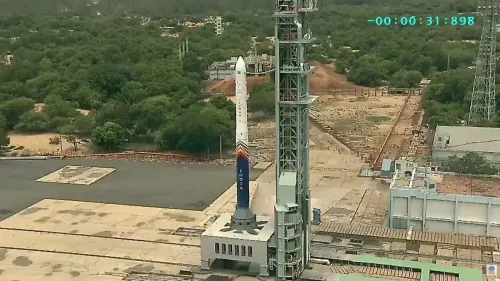
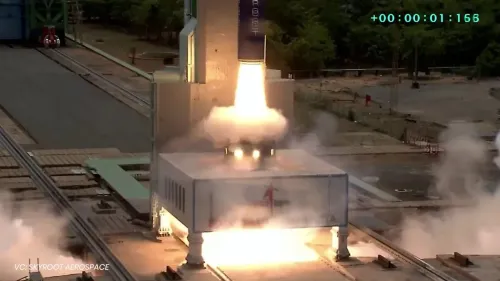
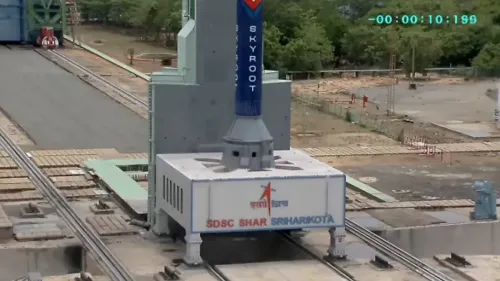
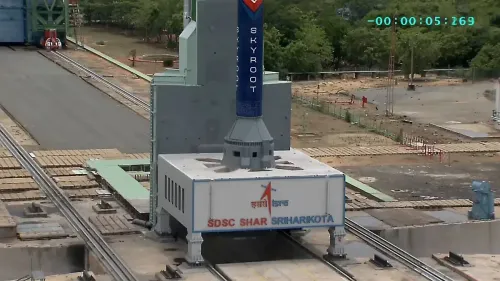
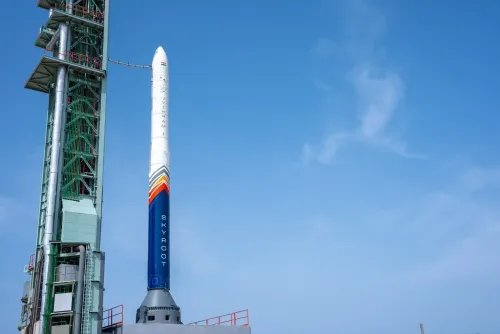
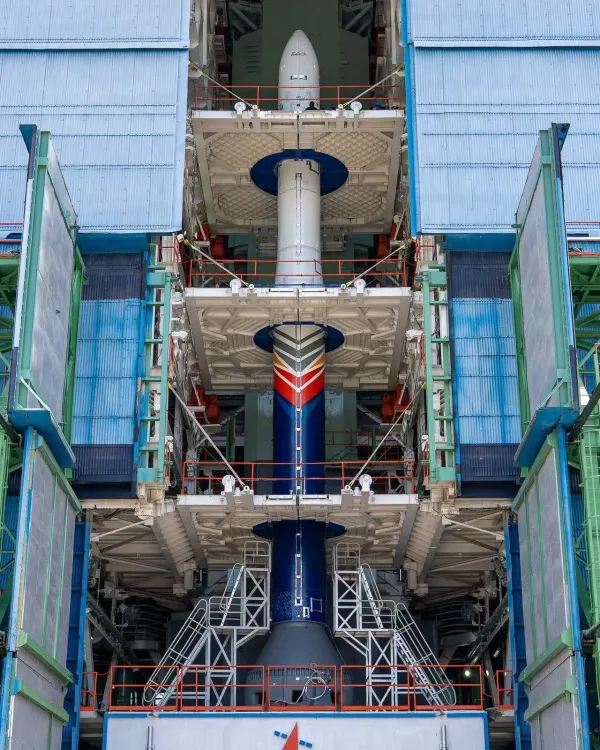
Union Minister Gajendra Singh Shekhawat has congratulated Skyroot Aerospace on the launch of Vikram-1, India's first privately developed launch vehicle, calling it a historic milestone for the country's scientific capability and a testament to the Atmanirbhar Bharat vision.
Key Takeaways
Gajendra Singh Shekhawat , Union Minister of Culture and Tourism, publicly congratulated Skyroot Aerospace on the Vikram-1 launch on 18 July 2026 .
Vikram-1 is described as India's first privately developed launch vehicle, representing a landmark for the country's commercial space sector.
The minister linked the achievement to the Atmanirbhar Bharat initiative and the broader Viksit Bharat development vision.
IN-SPACe , established in June 2020 , created the regulatory framework that enabled private entities like Skyroot to develop and operate launch vehicles.
The mission is seen as a milestone in India's ambition to grow its share of the global small-satellite launch market.
Union Culture and Tourism Minister Gajendra Singh Shekhawat on Saturday, 18 July 2026 congratulated Skyroot Aerospace on the launch of Vikram-1, calling it a historic moment for India's space programme and a symbol of the country's scientific capability and spirit of innovation.
Context
Shekhawat posted on X in Hindi, writing: 'Atmanirbhar pankh, gauravmayi udaan!' ('Self-reliant wings, glorious flight!'), describing the launch of Vikram-1 — India's first privately developed launch vehicle — as a new historical dimension in the country's space journey. He extended his 'heartfelt best wishes' to the entire team at Skyroot Aerospace, tagging the company's official handle.
The minister described the achievement as 'a symbol of India's scientific capability, technological progress, and positivity towards innovation,' adding that it gives 'new momentum to the resolve of a Viksit Bharat (Developed India) while also reflecting the strong foundation of Atmanirbhar Bharat.'
Policy Backdrop
Skyroot Aerospace, a Hyderabad-based startup, has been developing the Vikram series of small satellite launch vehicles as part of India's expanding private space ecosystem. The company is among the first cohort of private players to benefit from structural reforms introduced since 2020.
The Government of India announced the Atmanirbhar Bharat initiative in May 2020, prioritising indigenous development in strategic technologies including space. The same year, IN-SPACe (Indian National Space Promotion and Authorisation Centre) was established in June 2020 to authorise and promote non-governmental participation in space activities — a policy shift that directly enabled startups like Skyroot to develop and test launch vehicles.
Since then, the government has progressively opened the sector through new licensing frameworks and technology-transfer policies aimed at expanding domestic launch capacity and reducing dependence on foreign rockets.
Stakeholders and Impact
The Vikram-1 mission is significant for India's private space industry, which has seen a surge of startups competing to capture a share of the global small-satellite launch market. A successful orbital launch by a fully private Indian entity would mark a first for the country and validate years of policy reform.
ISRO scientists and private space entrepreneurs are the primary stakeholders, with the broader ecosystem of domestic component manufacturers and satellite operators also standing to benefit from a proven indigenous private launch capability. The mission aligns with India's stated goal of growing its share in the multi-billion-dollar global commercial launch market.
What's Next
Attention will now turn to the outcome of the Vikram-1 mission and subsequent developmental flight tests by Skyroot and other private launch vehicle developers. New IN-SPACe licensing guidelines are also expected to be tabled in the coming parliamentary session, which could further ease entry for private players.
If Vikram-1 demonstrates successful orbital insertion, it would significantly accelerate investor confidence in India's private space sector and strengthen the country's positioning as a competitive launch destination for global satellite operators.
Point of View
Historic results. The framing of Vikram-1 as a symbol of 'Viksit Bharat' signals the party's intent to weave space milestones into its electoral and governance identity, much as it did with Chandrayaan-3 in 2023. The congratulatory gesture also reflects how IN-SPACe's 2020 regulatory opening is now bearing visible fruit, lending credibility to a policy bet that was once contested. If Vikram-1 succeeds, expect the government to accelerate further liberalisation of the space sector ahead of the next parliamentary session.
NationPress
18 Jul 2026
Frequently Asked Questions
What is Vikram-1 and who made it?
Vikram-1 is a small satellite launch vehicle developed by Skyroot Aerospace , a Hyderabad-based private aerospace startup. It is described as India's first fully privately developed orbital launch vehicle.
What did Gajendra Singh Shekhawat say about Vikram-1?
Shekhawat posted on X calling the Vikram-1 launch a 'new historical dimension' in India's space journey and a symbol of the country's scientific capability, extending his best wishes to the Skyroot Aerospace team.
What is IN-SPACe and what role did it play?
IN-SPACe (Indian National Space Promotion and Authorisation Centre) was established in June 2020 to authorise and promote private participation in India's space sector, creating the regulatory framework that allowed startups like Skyroot to develop launch vehicles.
How does Vikram-1 relate to Atmanirbhar Bharat?
The government's Atmanirbhar Bharat initiative, launched in May 2020 , prioritised indigenous development in strategic sectors including space. Vikram-1 is seen as a direct outcome of those reforms, demonstrating domestic private launch capability.
What is the significance of a private rocket launch in India?
A successful orbital launch by a fully private Indian entity would be a first for the country, validating years of space-sector reform and potentially boosting India's competitiveness in the global small-satellite commercial launch market.