RBI's BRBNMPL floats global EoI for polymer banknote substrate sheets
Synopsis
India's first formal move toward polymer banknotes is here — but it is vendor-mapping, not a policy decision. BRBNMPL's global EoI for polymer substrate sheets, with strict China and Pakistan exclusion clauses, signals serious intent. Whether the RBI converts this into an actual rollout is still an open question.
Key Takeaways
BRBNMPL , the RBI's currency printing arm, has floated a global Expression of Interest (EoI) for opacified polymer substrate sheets for banknote printing.
Bids are due by 18 August ; the tender does not specify denominations or a rollout timeline.
Suppliers must obtain government security clearance and are barred from sourcing raw materials from China or Pakistan .
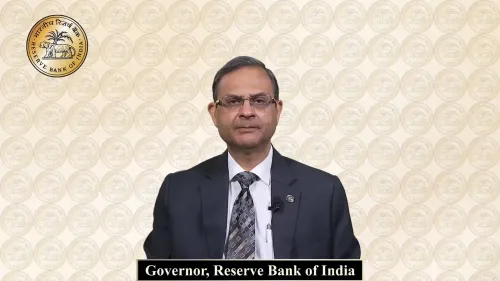
RBI Governor Sanjay Malhotra said in June 2025 that the polymer note proposal is 'still at a preliminary stage' with no final decision taken.
India last piloted polymer notes in 1988 but did not scale the experiment.
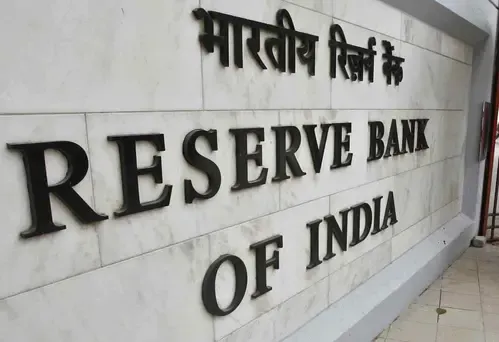
Bharatiya Reserve Bank Note Mudran Private Limited (BRBNMPL), the currency printing arm of the Reserve Bank of India (RBI), has formally invited domestic and international manufacturers to submit Expressions of Interest (EoIs) for the supply of opacified polymer substrate sheets embedded with security features — marking India's first concrete procedural step toward potentially introducing polymer banknotes. Bids are due by 18 August, according to multiple reports.
What the Tender Covers
The EoI calls for the supply of opacified polymer substrate sheets specifically designed for banknote printing. The tender, however, does not specify which denominations are being considered for polymer currency, nor does it lay out a timeline for any eventual rollout, reports indicated.
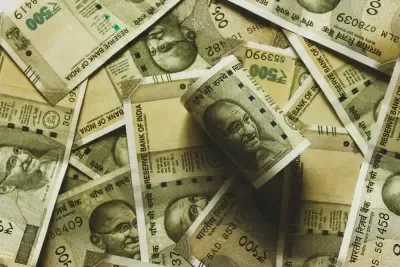
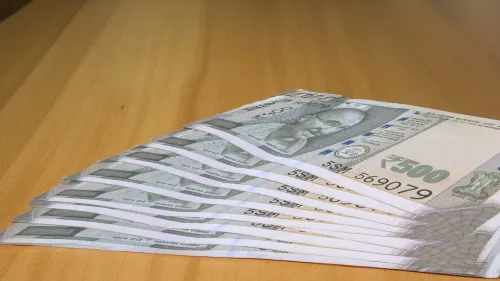
Polymer notes — manufactured from durable plastic film — are widely recognised for their greater resistance to wear and tear compared with conventional paper currency. Several countries, including Australia, the United Kingdom, and Canada, have already transitioned to polymer notes, citing longer lifespan and enhanced security features.
Stringent National Security Conditions
The tender reportedly prescribes strict national security requirements for prospective suppliers. Bidders are required to obtain security clearance from the Indian government. They must also isolate any operations in China or Pakistan from the India-specific contract, refrain from sourcing raw materials for India's banknote substrate from either country, and provide an undertaking that India-specific substrate will not be supplied to any third country.
These conditions reflect the sensitive nature of currency manufacturing and India's broader push to secure its critical supply chains against geopolitical risk.
Where the RBI Stands
In June 2025, RBI Governor Sanjay Malhotra publicly acknowledged that the central bank is examining a proposal to introduce polymer or plastic currency notes, while stressing that no final decision has been taken. 'We are examining the pros and cons of it and whether it would be worthwhile to implement. It is still at a preliminary stage,' Malhotra said. He added that as soon as any decision is reached, the public would be informed.
The launch of the EoI process by BRBNMPL suggests the examination has now moved into an active vendor-assessment phase, even as the policy decision itself remains pending.
A Potential Historic Shift for Indian Currency
If adopted, polymer banknotes would represent a fundamental departure from India's currency tradition. Indian notes have been printed on specialised cotton-based paper for nearly a century. A transition to polymer would affect the entire currency production ecosystem — from raw material sourcing to printing infrastructure and public handling.
Notably, this is not the first time India has considered polymer notes. The RBI had conducted a limited pilot of one-rupee polymer notes in select cities as far back as 1988, but the experiment was not scaled up. The current initiative, backed by a formal global EoI, signals a more structured and serious evaluation than previous efforts.
What Happens Next
With the EoI deadline set for 18 August, BRBNMPL is expected to assess the technical and security credentials of interested suppliers before any formal tender or procurement process begins. The outcome of this vendor-mapping exercise will likely inform the RBI's final policy deliberations on whether to proceed with polymer currency adoption.
Point of View
And whether the cost-benefit case for polymer — compelling in high-humidity, high-circulation economies — is strong enough to overcome the infrastructure overhaul that a full transition would demand.
NationPress
18 Jul 2026
Frequently Asked Questions
What is the BRBNMPL EoI for polymer banknotes?
Bharatiya Reserve Bank Note Mudran Private Limited (BRBNMPL), the RBI's currency printing subsidiary, has invited global Expressions of Interest from manufacturers to supply opacified polymer substrate sheets for potential use in Indian banknote printing. Bids must be submitted by 18 August.
Has India decided to introduce polymer banknotes?
No final decision has been taken. RBI Governor Sanjay Malhotra stated in June 2025 that the proposal is 'still at a preliminary stage' and the central bank is only examining the pros and cons. The EoI represents vendor assessment, not a policy commitment.
What security conditions apply to polymer note suppliers?
Prospective suppliers must obtain security clearance from the Indian government, isolate any China or Pakistan operations from the India contract, not source raw materials from those two countries, and undertake not to supply India-specific substrate to any third country.
Which denominations will be printed on polymer notes?
The tender does not specify which denominations are being considered for polymer currency, nor does it provide a timeline for any rollout, according to reports.
Has India tried polymer banknotes before?
Yes. The RBI conducted a limited pilot of one-rupee polymer notes in select cities in 1988, but the experiment was not scaled up. The current EoI process represents a more structured evaluation than that earlier effort.