CM Naidu Orders Arrests After Guntur Woman Humiliation

Synopsis
Andhra Pradesh Chief Minister N. Chandrababu Naidu on 18 July 2026 announced swift action over a reported incident of a woman's humiliation in Guntur: the accused has been arrested, a criminal case registered, and a TDP functionary suspended. Naidu pledged zero tolerance and equal enforcement of law regardless of political affiliation.
Key Takeaways
Chandrababu Naidu publicly responded to a reported incident of a woman's humiliation in Guntur district on 18 July 2026 .
A criminal case has been registered and the accused has been arrested following Naidu's directive for immediate and stringent action.
A TDP party functionary involved in the incident is being suspended from the party.
Naidu explicitly stated that no individual will receive protection on account of political affiliation .
The Chief Minister assured all women in Andhra Pradesh that their dignity and safety will be protected by his government.
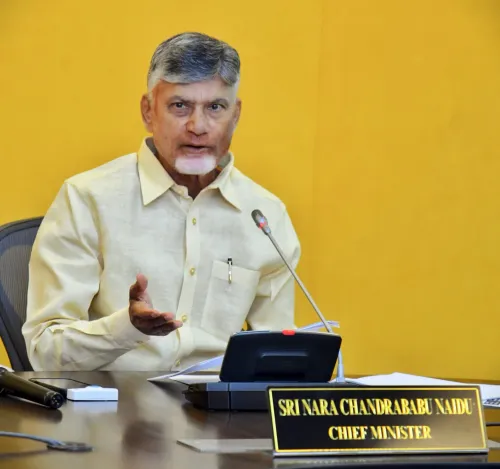
Andhra Pradesh Chief Minister N. Chandrababu Naidu on Saturday, 18 July 2026, responded sharply to a reported incident of a woman's humiliation in Guntur district, announcing that a criminal case has been registered, the accused arrested, and a Telugu Desam Party (TDP) functionary suspended over the episode.
Context
The Chief Minister stated he was 'deeply disturbed' by the Guntur incident, describing any humiliation of a woman as 'completely unacceptable' with 'no place in our society.' His post on X confirmed that law enforcement action had already been set in motion before the statement was published, signalling that the administration moved swiftly once the matter came to his attention.
The incident occurred in Guntur, one of Andhra Pradesh's major districts, and drew enough attention to prompt a direct public response from the state's top executive. The nature of the incident has not been officially detailed beyond the Chief Minister's characterisation of it as a humiliation of a woman.
Policy Backdrop
Naidu's administration has, across both his current term and his earlier 2014–2019 tenure, issued consistent public directives for strict, impartial action in crimes against women. The emphasis on 'no protection on account of political affiliation' is a recurring theme in his governance communications, aimed at insulating law enforcement from political interference.
The decision to suspend the TDP functionary involved is notable: it signals that the ruling party is willing to act against its own members when they are implicated in incidents of this kind, reinforcing the administration's stated zero-tolerance position. Chief Ministers across India have periodically taken such steps after incidents involving party members, both to demonstrate accountability and to protect the government's credibility on women's safety.
Stakeholders and Impact
The most immediate stakeholders are women across Andhra Pradesh, to whom Naidu directed his closing assurance: 'Every woman in Andhra Pradesh must have the confidence that her dignity and safety will always be protected.' The statement is also significant for TDP rank and file, as it establishes a public precedent that party affiliation will not shield individuals from legal consequences.
The arrested accused and the suspended party functionary are the two named categories of individuals facing direct consequences. Broader civil-society groups and women's organisations in the state will be watching whether the criminal case proceeds to trial without political interference, as that will be the true test of the Chief Minister's assurances.
What's Next
The outcome of the Guntur criminal case will be closely monitored, particularly whether the accused is charge-sheeted and whether the trial proceeds without delay. Any additional suspensions within the TDP or further administrative action — such as police transfers or new women-safety directives — could follow depending on how the investigation develops.
Naidu's statement closes with an unequivocal pledge: 'The law will be enforced fairly and firmly, without fear or favour.' Whether that commitment translates into a completed prosecution will determine the lasting political and governance impact of this episode for his administration.
Point of View
A criminal case, and an intra-party suspension in a single statement — follows a well-established playbook for chief ministers seeking to demonstrate institutional accountability when party members are implicated in crimes against women. The explicit disavowal of political protection is as much a message to the TDP's own cadre as it is to the public, reinforcing internal discipline at a moment when any perception of shielding would carry significant political cost. The episode fits a broader pattern in Andhra Pradesh governance where law-and-order credibility is treated as a cornerstone of Naidu's administrative identity. The real test, however, lies in the courtroom: whether the Guntur case reaches a timely conviction will determine whether this statement is remembered as decisive governance or routine crisis management.
NationPress
18 Jul 2026
Frequently Asked Questions
What happened in Guntur that prompted CM Naidu's statement?
Chief Minister Naidu described an incident of a woman's humiliation reported from Guntur district, calling it 'completely unacceptable.' The exact nature of the incident has not been officially detailed beyond his characterisation in the post dated 18 July 2026.
Has anyone been arrested in the Guntur woman humiliation case?
Yes. CM Naidu confirmed that the accused has been arrested and a criminal case has been registered following his directive for immediate and stringent action.
Was a TDP member involved in the Guntur incident?
Yes. Naidu stated that a TDP party functionary was involved and is being suspended from the party as a consequence.
What action has the Andhra Pradesh government taken for women's safety after the Guntur incident?
The government registered a criminal case, arrested the accused, and suspended the TDP functionary involved. CM Naidu also issued a public pledge that the law will be enforced 'without fear or favour' and that no political affiliation will shield any individual from accountability.
What is CM Naidu's stance on crimes against women in Andhra Pradesh?
Naidu has consistently maintained a public zero-tolerance position on crimes against women, both in his current term and during his earlier 2014–2019 tenure, directing law enforcement to act strictly and impartially regardless of the accused's political connections.