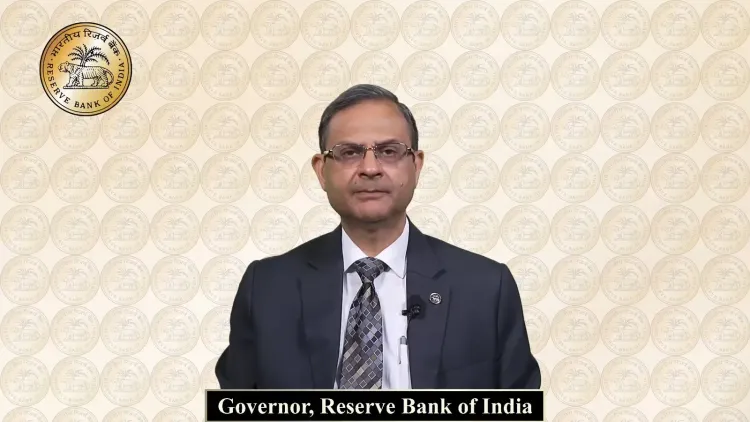
RBI weighing polymer currency notes, no decision yet: Governor Malhotra
Synopsis
The RBI is examining polymer currency notes — but Governor Sanjay Malhotra is drawing a clear line between consideration and commitment. With cost, climate, and counterfeiting all on the table, India's central bank is in no rush to follow the 20-plus countries that have already made the switch.
Key Takeaways
RBI Governor Sanjay Malhotra confirmed on 6 June that the central bank is examining a proposal to introduce polymer or plastic currency notes .
The proposal is at a preliminary stage — no final decision has been taken.
The RBI is evaluating both the advantages and challenges of polymer notes before proceeding.
Malhotra assured that adequate currency is available across the banking system, including at ATMs and bank branches .
The central bank pledged rapid replenishment in case of any localised cash shortages.
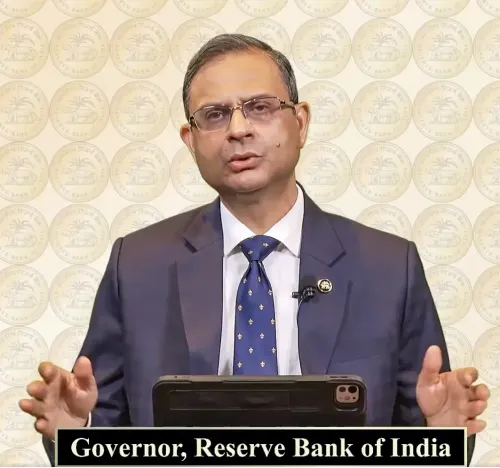
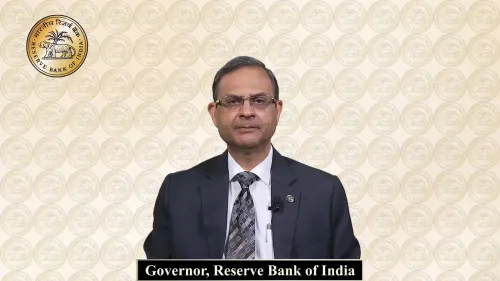
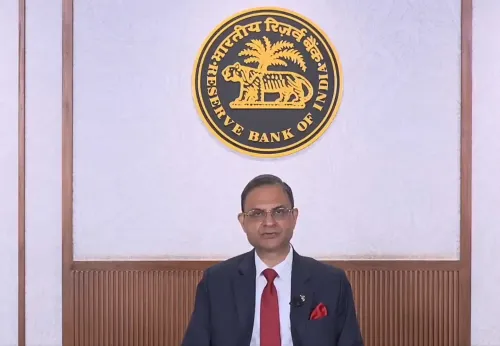
The Reserve Bank of India (RBI) is actively examining a proposal to introduce polymer or plastic currency notes in India, though no final decision has been taken, RBI Governor Sanjay Malhotra confirmed on 6 June. Malhotra described the proposal as still being at a preliminary stage, with the central bank weighing both the potential benefits and operational challenges before committing to any course of action.
What the Governor Said
'We are examining the pros and cons of it and whether it would be worthwhile to implement. It is still at a preliminary stage,' Malhotra stated. He acknowledged that recent media reports on polymer notes carry 'some truth' but was careful to note that the RBI has reached no conclusion. 'As soon as any decision is taken on it, we will inform you,' he added.
Pros, Cons and the Road Ahead
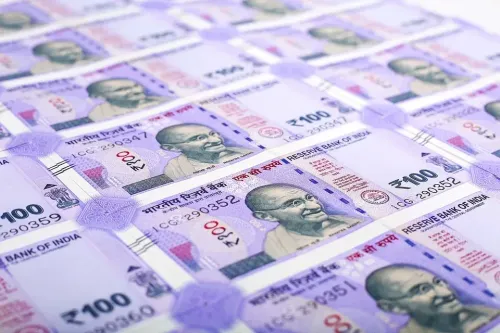
Polymer notes — made from a biaxially oriented polypropylene substrate — are used in over 20 countries, including Australia, the United Kingdom, and Canada, primarily for their durability and enhanced security features. They typically last two to four times longer than paper notes and are harder to counterfeit. However, critics have pointed to higher per-unit production costs and recycling challenges in tropical climates, both of which are reportedly among the factors the RBI is evaluating.
Currency Availability: No Cause for Alarm
Separately, Governor Malhotra moved to reassure the public on cash availability, stating that adequate currency stock is currently available across the banking system — including at ATMs and bank branches. 'If there is a shortage, we will certainly ensure that the shortage is met,' he said. He pledged rapid replenishment in the event of any localised shortfall. 'Our full effort will be to ensure that wherever there is a shortage of currency in one or two places at ATMs, we will deliver currency there promptly and at a rapid pace,' Malhotra added.
Context and Background
The idea of polymer notes in India is not new. The RBI had previously explored the concept as far back as the early 2000s, when a limited pilot was considered but not pursued at scale. The renewed examination comes at a time when the central bank has been modernising its currency management infrastructure, including expanding the reach of the Currency Management System. Notably, India's high-volume, high-circulation currency environment — with billions of notes in active use — makes any transition to polymer a logistically complex and capital-intensive undertaking. How the RBI resolves the cost-versus-durability equation will likely determine whether this proposal advances beyond its current preliminary stage.
Point of View
'pros and cons' — suggests institutional memory of past false starts is very much alive. Until the RBI publishes a feasibility report or invites vendor bids, this remains a policy signal rather than a policy decision.
NationPress
21 Oct 2026
Frequently Asked Questions
Is the RBI planning to introduce polymer currency notes in India?
The RBI is examining the proposal but has not taken any decision. Governor Sanjay Malhotra described it as being at a preliminary stage, with the central bank still weighing the advantages and challenges involved.
What are polymer currency notes?
Polymer notes are made from a plastic-based substrate — typically biaxially oriented polypropylene — rather than traditional cotton-paper. They are used in over 20 countries, including Australia and the UK, and are known for greater durability and enhanced anti-counterfeiting features.
Why has the RBI not yet decided on polymer notes?
The RBI is evaluating both the potential benefits — such as longer lifespan and security — and the challenges, which reportedly include higher production costs and recycling difficulties in tropical climates. Governor Malhotra said a decision will be communicated once reached.
Is there a currency shortage in India right now?
No. Governor Malhotra stated that adequate currency is available in the banking system, including at ATMs and bank branches. He pledged rapid replenishment in any area where a localised shortfall emerges.
Has India tried polymer notes before?
Yes. The RBI explored the concept in the early 2000s, when a limited pilot was considered but not implemented at scale. The current examination represents a renewed look at the proposal rather than an entirely new initiative.