Why Did RBI Decide to Keep the Repo Rate Unchanged?
Synopsis
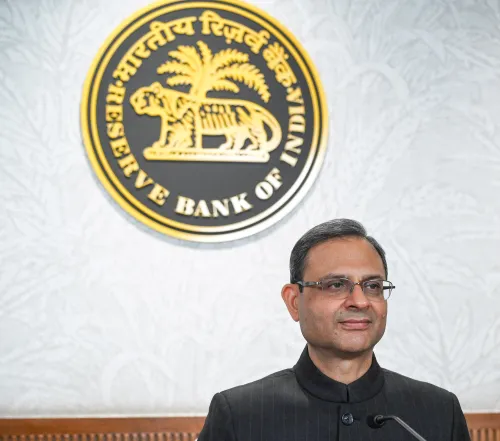
RBI Governor Sanjay Malhotra has announced that the committee has decided to maintain the policy repo rate at 5.25%. This decision comes after careful analysis of macroeconomic conditions, with a focus on balancing inflation control and economic growth. Discover how global changes and trade agreements are shaping India's economic outlook.
Key Takeaways
The repo rate remains steady at 5.25 percent .
The RBI maintains a neutral policy stance.
Inflation is under control, with projections adjusted for the upcoming quarters.
Global trade agreements are expected to positively impact the economy.
Lower repo rates could enhance borrowing and investments.
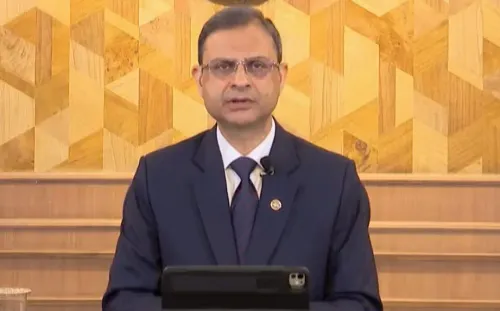
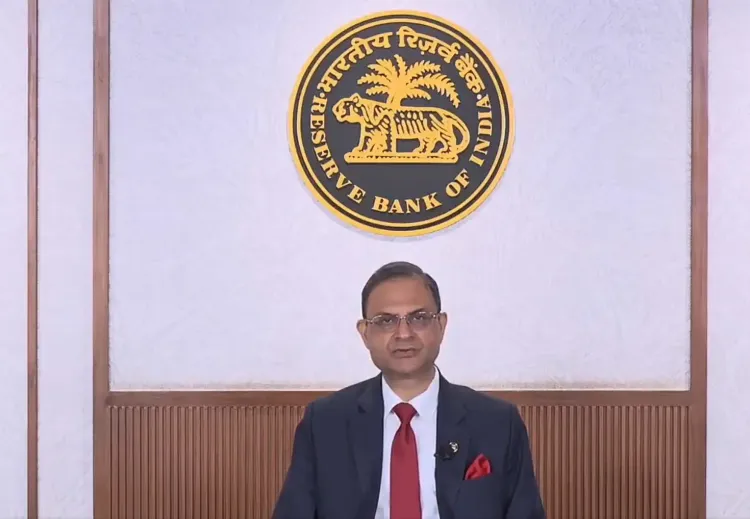
Mumbai, Feb 6 (NationPress) RBI Governor Sanjay Malhotra revealed on Friday that the monetary policy committee has come to a unanimous decision to maintain the policy repo rate at the existing level of 5.25 percent and continue with a neutral monetary policy stance.
Governor Malhotra emphasized that this decision was made after thorough evaluation of the current macroeconomic landscape and future economic projections.
He noted that since the previous monetary policy meeting in December, global challenges have escalated, yet the trade agreements established by the government are promising for future economic growth.
Malhotra reiterated that the RBI would uphold a neutral policy stance.
This neutral stance aims to neither stimulate nor restrict liquidity, achieving a delicate balance between managing inflation and supporting growth. The RBI has maintained this stance as it awaited the impact of prior monetary policy easing and the development of trade-related consequences.
According to Malhotra, inflation remains under control and is currently below the RBI's tolerance threshold. The inflation outlook is favorable, with the RBI adjusting its projection for CPI inflation for Q1 and Q2 of 2026-27 to 4 percent and 4.2 percent, respectively. The slight increase in projections is attributed to anticipated rises in precious metal prices; however, underlying inflation is expected to remain within acceptable limits.
The RBI Governor also stated that the growth outlook for the Indian economy appears positive, expected to be driven by domestic factors.
During the last monetary policy committee meeting, the repo rate was reduced by 25 basis points to 5.25 percent from 5.5 percent in December to encourage economic growth.
In the reviews conducted in August and October, the monetary policy committee, led by the RBI Governor, decided to keep the repo rate unchanged to control inflation.
Prior to that, the RBI decreased the repo rate by 100 bps from 6.5 percent to 5.5 percent in quick succession between February and June, with its effects still being felt in the economy.
A lower policy rate accompanied by increased liquidity in banks contributes to a reduction in interest rates for bank loans, facilitating easier borrowing for both consumers and businesses. This, in turn, leads to increased consumption and investment, driving economic growth.
However, the effectiveness of these rate cuts depends significantly on how swiftly and effectively commercial banks convey these benefits to borrowers.
Point of View
The RBI's decision reflects a cautious yet optimistic approach towards managing India's economic landscape. The neutral stance aims to support growth while keeping inflation in check, highlighting the balance the central bank seeks amidst global uncertainties.
NationPress
10 Oct 2026
Frequently Asked Questions
What is the current repo rate set by RBI?
The current repo rate set by the RBI is 5.25 percent.
What does a neutral policy stance mean?
A neutral policy stance means the RBI aims to neither stimulate nor restrict liquidity, maintaining a balance between controlling inflation and supporting economic growth.
Why did the RBI keep the repo rate unchanged?
The RBI decided to keep the repo rate unchanged due to careful evaluation of macroeconomic conditions and the outlook for the economy, especially considering global headwinds.
How does the repo rate affect borrowing?
A lower repo rate generally leads to decreased interest rates on bank loans, making borrowing easier for consumers and businesses, which can boost consumption and investments.
What are the RBI's inflation projections?
The RBI has revised its projections for CPI inflation to 4 percent for Q1 and 4.2 percent for Q2 of 2026-27, with underlying inflation expected to remain within acceptable levels.