Will RBI Chief Keep Key Interest Rates Low for an Extended Period?
Synopsis
The RBI's Governor Sanjay Malhotra projects that key interest rates will remain low for an extended duration, attributing this expectation to controlled inflation and strong economic growth. Trade agreements with the EU and US could further enhance growth potential. This article provides insights into the RBI's monetary policy decisions and economic outlook.
Key Takeaways
RBI Governor predicts prolonged low interest rates.
Strong economic growth and controlled inflation are key factors.
Trade agreements with the EU and US could enhance growth.
RBI raises GDP growth forecast to 7.3%.
Neutral policy stance aims to balance inflation and growth.
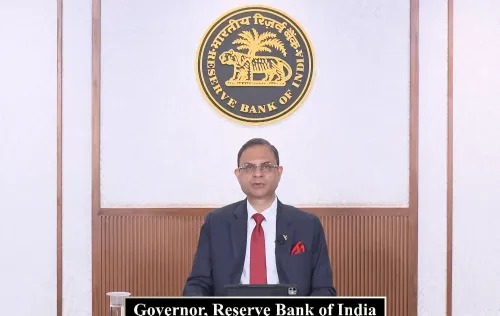
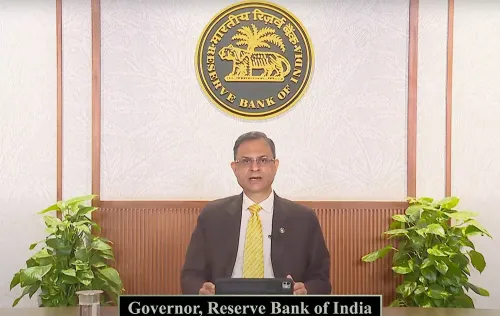
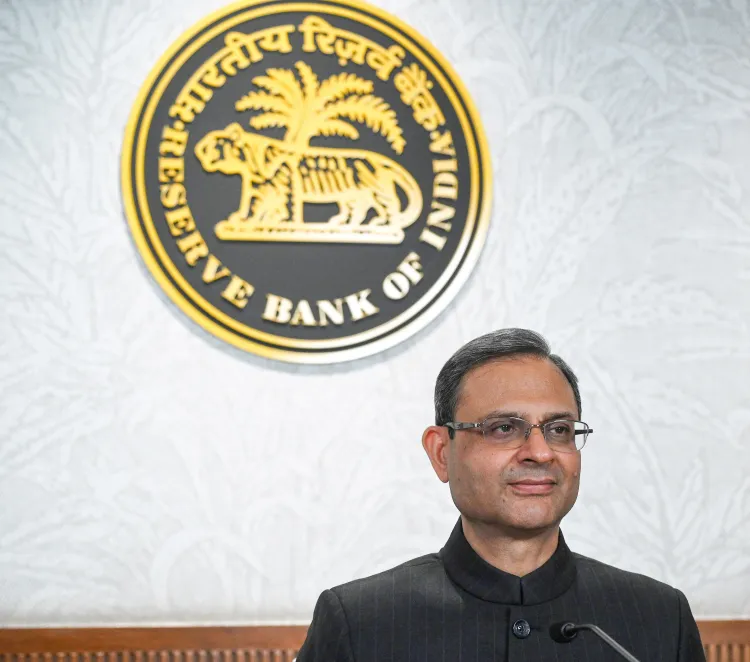
New Delhi, Dec 17 (NationPress) Governor of the Reserve Bank of India (RBI), Sanjay Malhotra, has indicated that key policy rates are likely to remain low for an extended duration, based on the RBI's forecasts. This comes as the Indian economy demonstrates significant growth while keeping inflation in check, as reported by the Financial Times.
Malhotra also mentioned that the nation's economic expansion might exceed the RBI's current estimates if the ongoing trade negotiations with the EU and the US culminate in agreements.
He noted, “The potential benefits from the US trade agreement could add around half a percentage point to growth,” as per the FT report.
While the central bank has not thoroughly analyzed the potential impact of the EU trade deal, Malhotra suggested that it too would contribute positively to growth.
In response to concerns from certain economists regarding the accuracy of India's economic data, he acknowledged that while some data revisions occur, “I believe the figures are robust.”
Earlier on December 5, Malhotra announced a 25 basis points reduction in the repo rate, lowering it from 5.5% to 5.25%, aimed at stimulating economic growth.
He pointed out that the remarkable economic growth of 8.2% in the second quarter and the significant drop in inflation to 1.7% have created a unique “Goldilocks period” for the Indian economy.
Malhotra further noted that the favorable inflation environment has provided the necessary space for a repo rate cut to foster growth. The RBI has also revised its GDP growth projection upwards to 7.3% from the previous 6.8%.
Moreover, he stated that the RBI plans to enhance liquidity in the economy by executing open market operations, purchasing government securities worth Rs 1 lakh crore. Additionally, a dollar-rupee swap arrangement of $5 billion will be established.
Malhotra reiterated that the RBI will maintain a “neutral policy stance.”
This neutral approach aims to neither excessively stimulate nor restrict liquidity, striking a balance between managing inflation and supporting growth. The RBI has adhered to this stance as it assesses the effects of previous monetary policy easing and unfolding trade implications.
Point of View
The RBI's approach underlines a careful balancing act. By maintaining a neutral policy stance, the central bank seeks to foster growth while keeping inflation in check, ensuring the economic recovery remains on track amidst evolving global trade dynamics.
NationPress
10 Oct 2026
Frequently Asked Questions
What did RBI Governor Sanjay Malhotra say about interest rates?
He expects key policy rates to remain low for a long time, aided by strong economic growth and controlled inflation.
How might trade agreements with the EU and US affect India's economy?
These agreements could potentially boost economic growth beyond current RBI projections, with Malhotra estimating a possible increase of half a percentage point.
What is the current GDP growth projection by the RBI?
The RBI has raised its GDP growth projection to 7.3% from 6.8%.
What actions is the RBI taking to support the economy?
The RBI plans to inject liquidity through open market operations and establish a dollar-rupee swap arrangement.
What is the significance of the 'neutral policy stance'?
It allows the RBI to balance inflation control with growth support, avoiding excessive stimulation or restrictions on liquidity.