Congress calls Great Nicobar afforestation argument 'bogus', demands HPC report
Synopsis
Congress's Jairam Ramesh has written to Environment Minister Bhupender Yadav calling the Great Nicobar project's compensatory afforestation defence 'completely bogus' and demanding the NGT-mandated HPC report be made public — a report the Ministry insists is confidential. With seven lakh trees at stake and a globally unique ecosystem on the line, the transparency battle is now as consequential as the ecological one.
Key Takeaways
Congress MP Jairam Ramesh wrote to Environment Minister Bhupender Yadav on 10 May demanding public release of the HPC report on the Great Nicobar Island development project.
The project involves felling of more than seven lakh trees ; the NGT constituted the HPC in 2023 after finding "unanswered deficiencies" in the original environmental clearance.
Ramesh called the government's compensatory afforestation argument "completely bogus" and said security experts confirm defence needs can be met without such ecological damage.
The Environment Ministry has classified the HPC report as confidential, a stance Ramesh termed legally untenable given that the original EIA and project reports are in the public domain.
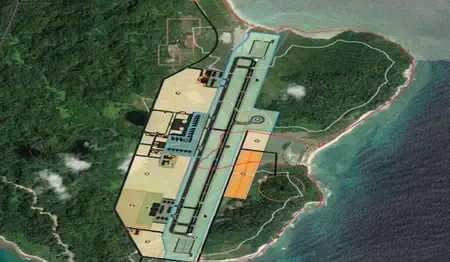
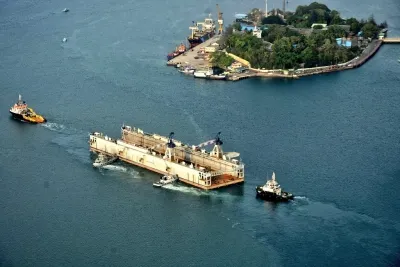
The government defends the project as a strategic maritime hub, citing a 14.2 million TEU container terminal, greenfield airport, 450 MVA power plant, and a 16,610-hectare township.
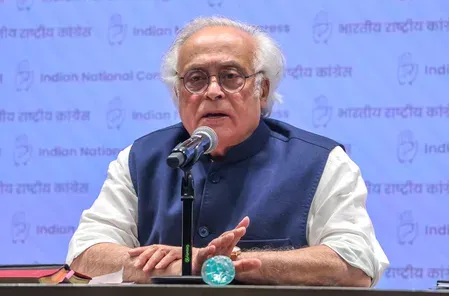
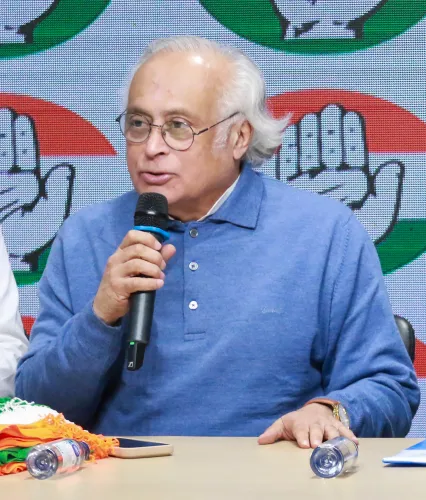
Congress leader and former Union Minister Jairam Ramesh on Sunday, 10 May renewed his party's opposition to the Great Nicobar Island development project, declaring the government's compensatory afforestation justification "completely bogus" and demanding that the report of a High-Powered Committee (HPC) — constituted by the National Green Tribunal (NGT) to re-examine the project's environmental clearance — be made public. The project, which involves felling of more than seven lakh trees, has drawn sustained criticism from environmentalists and opposition politicians.
Ramesh's Letter to the Environment Minister
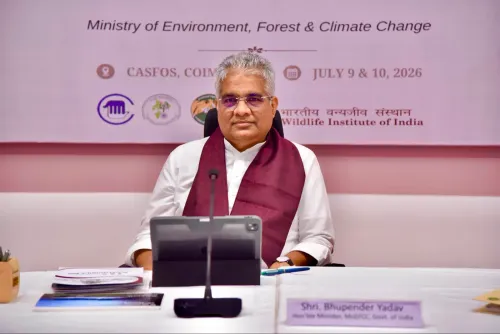
In a formal letter addressed to Environment Minister Bhupender Yadav, Ramesh — who serves as Congress General Secretary (Communications) — urged the minister to "pause, reflect, and revisit the project in its present design and detail." He also challenged a set of Frequently Asked Questions (FAQs) published by the Union government, rejecting the claim that potential ecological impacts are being effectively managed through a detailed Environmental Management Plan.
Ramesh argued that the HPC was constituted by the NGT in 2023 after the tribunal found "unanswered deficiencies" in the original environmental clearance, directing the committee to revisit it. He said the Ministry's position that the HPC report is confidential is legally untenable. "I am at a complete loss to understand the logic and legality behind the claim of the Ministry of Environment, Forests and Climate Change that the HPC's report is confidential. This goes against all basic principles of transparency and accountability to which you claim commitment," he wrote.
The Confidentiality Controversy
The Congress MP pressed further, questioning how a court-mandated reconsideration exercise could be shielded from public scrutiny when the original clearance process was in the public domain. "When the Environmental Impact Assessment reports, detailed project reports, master plan for the township and even the Detailed Project Report of the airport are in the public domain, what is the basis to contend that the HPC report is confidential?" Ramesh asked.
He called on the Ministry to release the report in the interest of "good governance and informed public debate" — a demand the Environment Ministry has so far resisted, citing confidentiality.
Ecological Stakes and the Afforestation Debate
Ramesh described Great Nicobar Island's biodiversity as "globally unique," noting that new species discoveries continue to be made in the region. He argued that compensatory afforestation — the practice of planting trees elsewhere to offset deforestation — cannot replicate the ecological complexity of an ancient rainforest. "The compensatory afforestation argument is completely bogus, and you know it," he stated.
He also cited security experts who, he said, have themselves argued that India's essential defence needs in the region can be met without inflicting such ecological devastation — a pointed counter to the government's national security rationale for the project.
What the Government Has Said
The Union Environment Ministry has defended the project, stating that it balances port-led growth with "calibrated environmental safeguards" and protection of indigenous communities. According to the Ministry, the project aims to transform Great Nicobar into a strategic maritime and economic hub, leveraging its proximity of approximately 40 nautical miles to the East–West shipping route and reducing India's dependence on foreign transshipment ports.
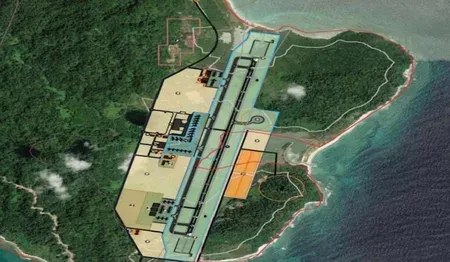
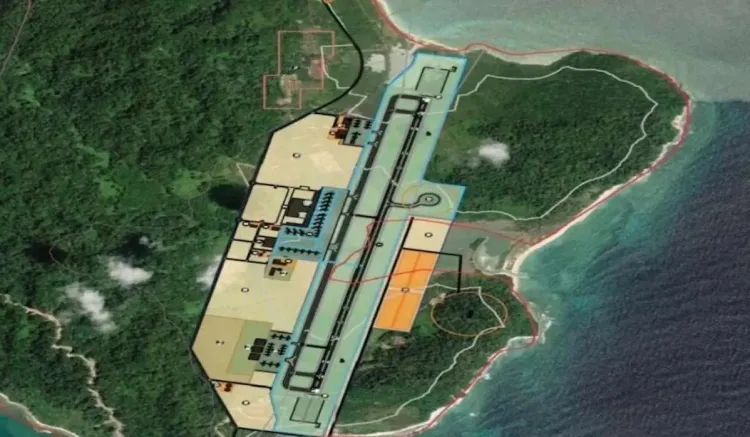
Key components cited by the Ministry include an international Container Transhipment Terminal with a capacity of 14.2 million TEU (Twenty-Foot Equivalent Units), a greenfield international airport with a capacity of 4,000 Peak Hour Passengers, a 450 MVA gas and solar-based power plant, and a new township spanning 16,610 hectares. The Ministry has also underscored the project's defence and national security dimensions.
What Comes Next
With the NGT-mandated HPC report still withheld and Congress escalating pressure through formal correspondence, the transparency battle over the Great Nicobar project is likely to intensify. Whether the Ministry agrees to release the report — or the NGT is moved to compel disclosure — could determine the pace and shape of the project going forward.
Point of View
From the Environmental Impact Assessment to the airport's Detailed Project Report, sits in the public domain, classifying a court-ordered review as confidential strains legal logic and signals that the findings may be uncomfortable for the project's proponents. The Great Nicobar project sits at a genuine intersection of strategic necessity and ecological irreversibility; that tension deserves open scrutiny, not bureaucratic opacity. If the government's environmental management plan is as robust as it claims, releasing the HPC report should strengthen, not undermine, its case.
NationPress
24 Sept 2026
Frequently Asked Questions
What is the Great Nicobar Island development project?
It is a large-scale infrastructure initiative to transform Great Nicobar Island into a strategic maritime and economic hub, featuring a 14.2 million TEU container transhipment terminal, a greenfield international airport, a 450 MVA power plant, and a 16,610-hectare township. The project involves felling more than seven lakh trees and has drawn significant environmental opposition.
What is the HPC report that Congress is demanding?
The High-Powered Committee (HPC) report is a review document produced by a committee constituted by the National Green Tribunal in 2023 after the NGT found 'unanswered deficiencies' in the project's original environmental clearance. The Environment Ministry has classified it as confidential, which Congress MP Jairam Ramesh has challenged as legally and ethically untenable.
Why is Congress calling the compensatory afforestation argument 'bogus'?
Jairam Ramesh argues that planting trees elsewhere cannot replicate the ecological complexity and globally unique biodiversity of Great Nicobar Island's ancient rainforest. He also cites security experts who say India's defence requirements in the region can be met without the scale of deforestation the project entails.
What has the Environment Ministry said in defence of the project?
The Ministry has stated that the project balances port-led growth with calibrated environmental safeguards and protection of indigenous communities. It argues the project reduces India's dependence on foreign transshipment ports and serves critical defence and national security purposes given the island's proximity to major East–West shipping lanes.
What happens next in the Great Nicobar project dispute?
Congress has formally demanded the HPC report's release through a letter to the Environment Minister. If the Ministry refuses, the matter could return to the NGT, which originally mandated the review. The outcome of this transparency battle is likely to influence the project's timeline and design.