Jairam Ramesh urges Environment Minister to shelve Great Nicobar project
Synopsis
Congress MP Jairam Ramesh has written a four-page letter to Environment Minister Bhupendra Yadav calling the Great Nicobar Island development project an ecological threat, dismissing the government's compensatory afforestation defence as 'completely bogus' and questioning the confidentiality of the High-Powered Committee report — days after Rahul Gandhi called the project one of the 'gravest crimes' against the island's natural heritage.
Key Takeaways
Jairam Ramesh wrote a four-page letter to Bhupendra Yadav on 10 May urging the shelving of the Great Nicobar Island development project .
Ramesh called the EIA survey inadequate, noting only a rapid reconnaissance survey was conducted over four days across 45 km .
He dismissed the Ministry's compensatory afforestation argument as "completely bogus." Security experts cited by Ramesh argued ecological devastation of such scale was not necessary to secure India's strategic interests .
Ramesh questioned why the High-Powered Committee (HPC) report remains confidential when other project documents are publicly available.
Leader of Opposition Rahul Gandhi had previously described the project as one of the "gravest crimes" against the island's natural and tribal heritage.
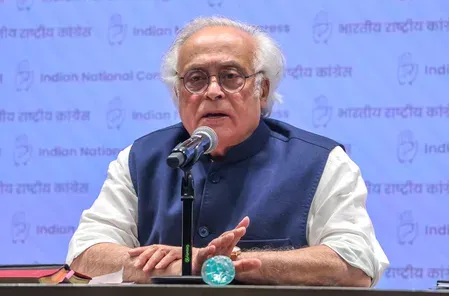
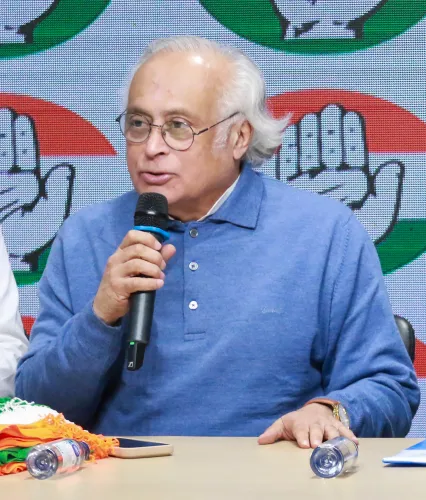
Congress leader and Member of Parliament Jairam Ramesh on Sunday, 10 May wrote a four-page letter to Union Minister for Environment, Forest and Climate Change Bhupendra Yadav, demanding that the Great Nicobar Island development project be shelved to protect the island's unique biodiversity and fragile ecosystem. The move came days after Leader of Opposition Rahul Gandhi visited the Great Nicobar Island and publicly described the project as one of the "gravest crimes" against its natural and tribal heritage.
Key Demands in Ramesh's Letter
Ramesh, who also serves as the Indian National Congress's Communications in-charge, urged the Union Minister to "pause, reflect and revisit the project in the present design and detail." He warned that any expeditious push to advance the project would "sound a death knell" for the island's ecology and biodiversity. The letter directly countered several arguments and justifications the Centre has put forward in defence of the development project.
EIA Survey Findings Called Inadequate
A central point of Ramesh's letter was the Environmental Impact Assessment (EIA) report, which he argued was far less rigorous than required. He pointed out that an intensive survey was carried out on both sides of Campbell-Indira Point covering approximately 45 km, surveyed only 8 times over four days. "It is a rapid reconnaissance type of survey and it was not intensive except in non-forest residential areas," he wrote, citing the government's own report. He further noted that the EIA itself acknowledged that surveys within dense forests were feasible only to a limited extent, rendering the environmental clearance granted on those grounds "grossly inadequate."
Compensatory Afforestation Argument Rejected
Ramesh dismissed the Ministry's compensatory afforestation argument — the practice of planting trees elsewhere to offset deforestation — as "completely bogus." This concern was also echoed by Rahul Gandhi during his visit to the Nicobar Islands last month. Ramesh additionally cited assertions by security experts who argued that ecological devastation of such scale was not necessary or befitting for securing the country's strategic and security interests in the region.
Transparency of HPC Report Questioned
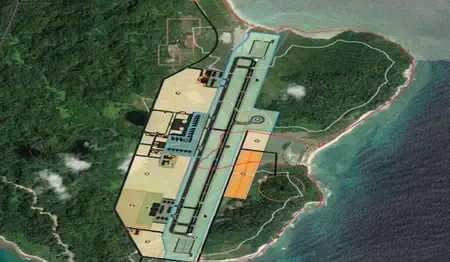
Ramesh also raised sharp questions about the confidentiality maintained around the Environment Ministry's High-Powered Committee (HPC) report. He pointed out that the EIA reports, detailed project reports, the master plan for the township, and even the DPR of the airport are all in the public domain. "What is the basis to contend that the HPC report is confidential?" he asked, demanding that the report be made accessible for public scrutiny.
Political Context and What Comes Next
The Congress's sustained campaign against the Great Nicobar project marks a significant escalation in opposition pressure on the Centre over a development initiative that has already drawn scrutiny from environmental groups and tribal rights advocates. Rahul Gandhi's on-ground visit — which included meetings with local community members — lent political weight to concerns that had previously been confined to civil society. It remains to be seen whether the Union Ministry will respond formally to Ramesh's letter or proceed with the current project timeline.
Point of View
Jairam Ramesh following up with technical specificity on EIA gaps and HPC confidentiality. What is striking is Ramesh's invocation of security experts who question whether the ecological cost is even strategically necessary — a line of argument that is harder for the government to dismiss on nationalist grounds. The confidentiality of the HPC report remains the sharpest accountability gap: if the project's environmental basis is sound, transparency should only strengthen it. The Centre's silence on that question is itself an answer.
NationPress
24 Sept 2026
Frequently Asked Questions
What is the Great Nicobar Island development project?
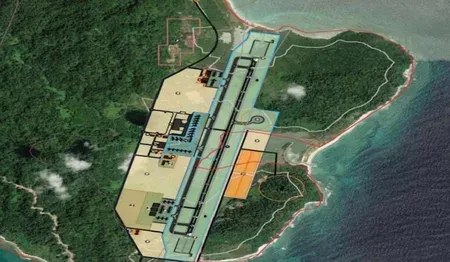
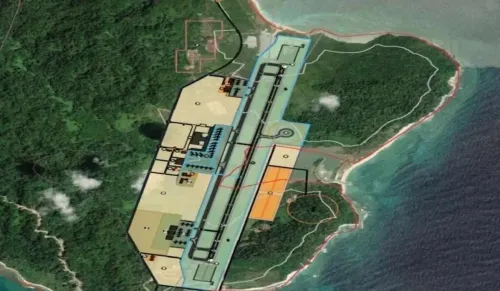
The Great Nicobar Island development project is a large-scale infrastructure initiative by the Centre that includes a township, an airport, and other developments on the ecologically sensitive Great Nicobar Island in the Andaman and Nicobar archipelago. It has drawn criticism from environmentalists and tribal rights groups over its potential impact on the island's biodiversity and indigenous communities.
Why is Jairam Ramesh opposing the Great Nicobar project?
Jairam Ramesh argues that the Environmental Impact Assessment for the project was inadequate, the compensatory afforestation argument is invalid, and the ecological destruction involved is disproportionate even from a strategic standpoint. He has also questioned why the High-Powered Committee report on the project remains confidential.
What did Rahul Gandhi say about the Great Nicobar project?
Rahul Gandhi, during a visit to the Nicobar Islands last month, described the development project as one of the 'gravest crimes' against the island's natural and tribal heritage. He met local community members and raised concerns about the project's impact on indigenous people and the environment.
What are the concerns about the EIA report for the Great Nicobar project?
The EIA survey covered approximately 45 km on both sides of Campbell-Indira Point but was conducted as a rapid reconnaissance over just four days, surveyed only 8 times. The report itself acknowledged that surveys within dense forests were feasible only to a limited extent, which Ramesh argues makes the environmental clearance granted on those grounds grossly inadequate.
What is the High-Powered Committee (HPC) report and why is its confidentiality controversial?
The HPC report is an assessment by a government-appointed High-Powered Committee related to the Great Nicobar project. Ramesh has questioned why this report is kept confidential when the EIA, detailed project reports, township master plan, and airport DPR are all in the public domain, arguing there is no logical basis for withholding it.