Opelka questions Grand Slam revenue split ahead of French Open, cites 14% player share
Synopsis
Reilly Opelka has thrust himself into tennis's most contentious financial debate, claiming players pocket just 14% of Grand Slam revenues while non-profit governing bodies hoard the rest. With a lawsuit pending against the ATP and WTA, and major players like Sinner and Djokovic now echoing his concerns, the sport faces mounting pressure to justify its revenue model ahead of Wimbledon.
Key Takeaways
Reilly Opelka publicly questioned Grand Slam revenue distribution on social media during the Italian Open 2026 .
Opelka claimed players receive only 14% of tournament revenues from Grand Slam events.
Patrick Mouratoglou noted the Roland Garros winner will earn €2.8 million while a first-round loser gets €87,000 .
Opelka is a co-plaintiff in a 2025 lawsuit against the ATP , WTA , ITF , and ITIA alleging anti-competitive practices.
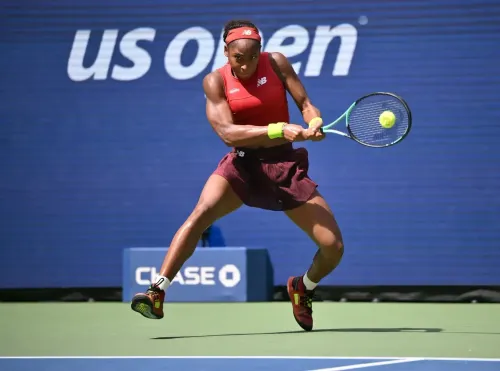
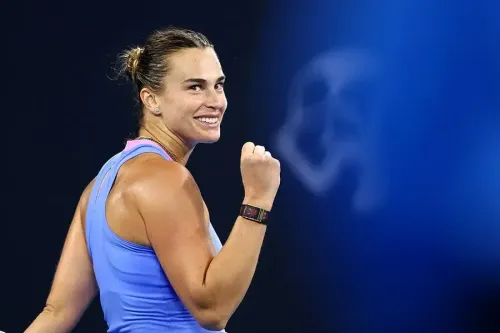
Sinner , Zverev , Sabalenka , Djokovic , and Gauff have all raised similar concerns this week.
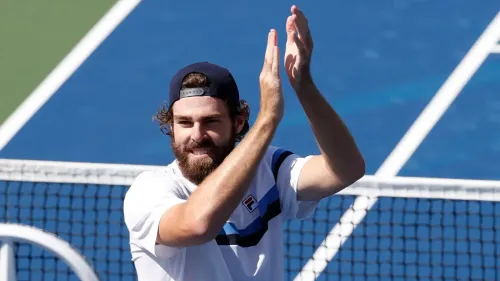
Reilly Opelka, the American tennis player, has publicly challenged the financial structure of professional tennis, questioning how revenue from the sport's biggest tournaments is distributed to competitors. Speaking on social media during the Italian Open 2026 in Rome, Opelka responded to a post by renowned coach Patrick Mouratoglou, arguing that lower-ranked players struggle to sustain careers despite tennis's global commercial success.
The 14% revenue claim
"If you're not top 50, you net more as a teaching pro in South Florida," Opelka wrote in the comments section of Mouratoglou's post. He then escalated his critique, stating: "Tennis is the ultimate meritocracy. We don't need government grants; we need transparency. The fact that the USTA, LTA, FFT, and TA are all 'non-profits' should tell you everything you need to know. I'm always sceptical of organisations without direct market accountability. If the players are the product and only receive 14% of revenues, where is the money going?"
Mouratoglou's broader critique
Mouratoglou had sparked the debate by highlighting the disparity between Grand Slam payouts and regular tour events. He noted that the Roland Garros champion will earn €2.8 million this year, while a first-round loser receives €87,000. "The real question is not how much money they make. The real question is, how is the money distributed?" Mouratoglou said. He also flagged the structural problem: "Most of the money the governing bodies are giving back is going to a very, very small proportion of players. It's not normal that in a sport like tennis, a guy who's ranked 150 in the world cannot make a living."
A lawsuit backdrop
Opelka's comments carry added weight given his involvement in the Professional Tennis Players Association's legal challenge against tennis governing bodies. The American is a co-plaintiff in a lawsuit filed in 2025 against the ATP, WTA, ITF, and ITIA, alleging restrictions on player earnings and anti-competitive practices. Earlier this year, Opelka testified in a Manhattan federal court that ATP chairman Andrea Gaudenzi had indirectly warned him of possible financial consequences — including loss of pension benefits and major legal costs — if he refused to withdraw from the case. The ATP denied those allegations, though the court allowed the testimony to stand on record.
A widening chorus
The prize-money distribution issue has become a dominant conversation across the professional tour. Players including Jannik Sinner, Alexander Zverev, Aryna Sabalenka, Novak Djokovic, and Coco Gauff have all weighed in this week, with attention now shifting toward upcoming Wimbledon Championships prize-money announcements. Opelka has a history of challenging the ATP over compensation — notably after the reported sale of the Western & Southern Open in 2022 — and has faced multiple fines this season, including at Indian Wells Masters and the Dallas Open.
What's at stake
The debate reflects a structural tension in professional tennis: while top players command global sponsorship and endorsement deals, mid-ranked and lower-ranked competitors often struggle to cover travel, coaching, and medical costs. The upcoming French Open and Wimbledon announcements will be closely watched as indicators of whether governing bodies are willing to shift the revenue-sharing model.
Point of View
Not the tour. But if the product is the player, and the player captures only a fraction of the value created, that argument crumbles. The lawsuit may force transparency that no amount of social-media debate ever will.
NationPress
28 Sept 2026
Frequently Asked Questions
What is Reilly Opelka's main criticism of Grand Slam prize money?
Opelka claims that players receive only 14% of Grand Slam tournament revenues, while governing bodies like the USTA, LTA, FFT, and TA — despite being non-profits — retain the rest. He argues this makes it unsustainable for lower-ranked players to maintain professional careers.
What did Patrick Mouratoglou say about Roland Garros payouts?
Mouratoglou highlighted that the Roland Garros champion will earn €2.8 million this year, while a first-round loser receives €87,000. He argued the core issue is not the absolute prize money but how revenues are distributed — with most money going to a tiny fraction of top players.
Why is Opelka's lawsuit against the ATP significant?
Opelka is a co-plaintiff in a 2025 lawsuit against the ATP, WTA, ITF, and ITIA alleging restrictions on player earnings and anti-competitive practices. He testified in Manhattan federal court that ATP chairman Andrea Gaudenzi warned him of financial consequences if he did not withdraw from the case — allegations the ATP denied.
Which other players have raised similar concerns?
Jannik Sinner, Alexander Zverev, Aryna Sabalenka, Novak Djokovic, and Coco Gauff have all weighed in on prize-money distribution this week, making it a dominant conversation across the professional tour.
What happens next in this debate?
Attention is now focused on upcoming Wimbledon Championships prize-money announcements, which will signal whether governing bodies are willing to shift the revenue-sharing model in response to player pressure.