Sinner, Sabalenka, Gauff slam French Open prize money hike as insufficient
Synopsis
The French Open's €61.7 million prize purse—a 10% bump—masks a deeper revolt. With Roland Garros minting over €400 million in revenue, top players are earning just 15% of that windfall, half the 22% they've demanded. The real issue: no seat at the table. Sinner, Sabalenka, and Gauff aren't just fighting over money; they're fighting for a voice in how Grand Slams are run.
Key Takeaways
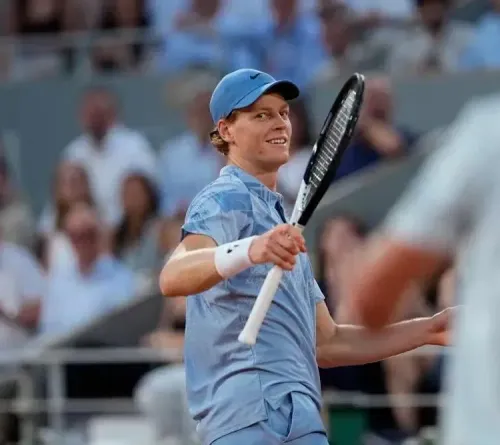
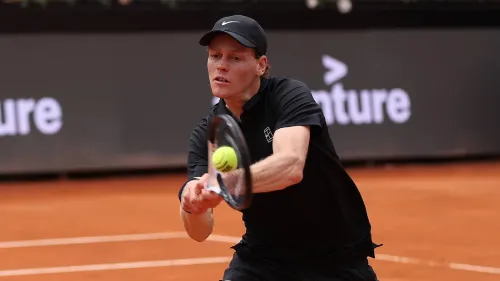
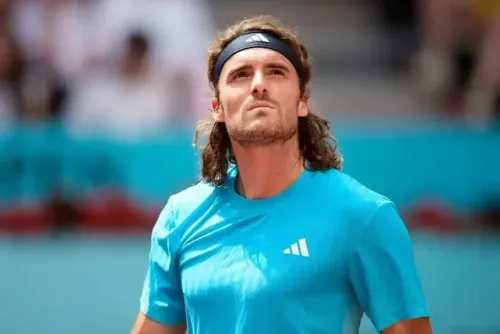
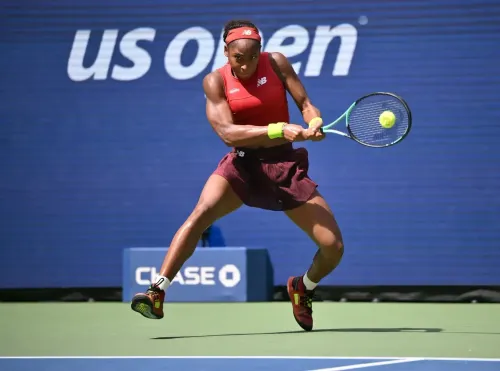
Jannik Sinner , Aryna Sabalenka , and Coco Gauff issued a joint statement criticising the French Open's prize money distribution on 4 May 2026 .
Roland Garros 2026 prize pool increased by 10% to €61.7 million , but players argue it lags revenue growth.
Roland Garros generated €395 million revenue in 2025 ( 14% growth ), yet prize money rose only 5.4% .
Players demand 22% of revenue for prizes; current share projects to below 15% .
Statement also raised governance concerns, citing lack of player consultation and no progress on welfare, pensions, and representation.
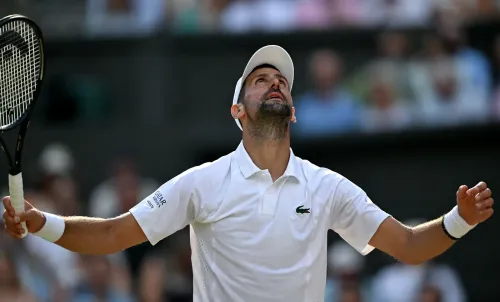
Novak Djokovic did not sign the latest statement.
Leading tennis stars Jannik Sinner, Aryna Sabalenka, and Coco Gauff have issued a joint statement criticising the French Open's prize money distribution, arguing that a newly announced 10% increase to €61.7 million (approximately $72.1 million) fails to reflect players' contribution to the tournament's surging revenues. The rebuke comes ahead of the May 24 start of Roland Garros 2026 in Paris.
The revenue-to-prize gap
Roland Garros generated €395 million in revenue in 2025, a 14% year-on-year increase, yet prize money rose by only 5.4%, according to the players' statement. With estimated revenues exceeding €400 million for 2026, prize money is projected to represent less than 15% of total revenue — far below the 22% threshold players have requested to align Grand Slams with ATP and WTA combined events.
Prize structure for 2026
Singles champions will receive €2.8 million, while runners-up earn €1.4 million. Semifinalists collect €750,000, and first-round losers receive €87,000. Doubles champions take home €600,000, and mixed doubles winners earn €122,000.
Governance and welfare concerns
Beyond financial distribution, the players highlighted structural grievances. They stated that organisers have shown no engagement on player welfare and have resisted establishing a formal mechanism for player consultation in Grand Slam decision-making. The statement underscored the absence of progress on pensions, long-term health provisions, and transparent player representation within governance frameworks.
The broader dispute
This marks a continuation of tensions that began last year when a group of top-ranked players first raised concerns with Grand Slam organisers. The latest statement was issued on behalf of the original signatories, though Novak Djokovic did not sign this iteration. Players emphasised that despite record revenues, their share of the value they generate continues to decline — a pattern they argue reflects a system resistant to meaningful reform.
What's at stake
The dispute underscores a widening chasm between Grand Slam profitability and player compensation. As tennis viewership and sponsorship revenue climb, players argue they lack institutional voice in how those gains are distributed and how the sport is governed. The French Open's response to these demands remains unclear as the tournament approaches.
Point of View
Not a negotiated share. Until players have formal governance seats, these statements will keep coming — and the gap will keep widening.
NationPress
27 Sept 2026
Frequently Asked Questions
Why are top tennis players unhappy with the French Open's prize money?
Leading players argue that while prize money increased by 10% to €61.7 million, it lags revenue growth. Roland Garros generated €395 million in 2025 (14% increase), yet prize money rose only 5.4%, reducing players' share to 14.3%. Players demand 22% of revenue to align with ATP and WTA standards.
How much prize money will French Open 2026 winners earn?
Singles champions will receive €2.8 million, runners-up earn €1.4 million, semifinalists collect €750,000, and first-round losers receive €87,000. Doubles champions take home €600,000, and mixed doubles winners earn €122,000.
What governance issues are players raising?
Beyond prize money, players cite a lack of formal consultation mechanisms in Grand Slam decision-making. They have raised concerns about player welfare, pensions, long-term health provisions, and transparent representation in governance — areas on which they say organisers have made no progress.
Which players signed the latest statement?
Jannik Sinner, Aryna Sabalenka, and Coco Gauff were among the leading signatories. Notably, Novak Djokovic did not sign this iteration, though he was part of the original group that raised concerns with Grand Slam organisers last year.
When does the French Open 2026 begin?
Roland Garros 2026 begins on 24 May in Paris.