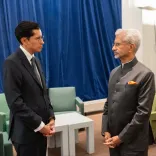
Giriraj Singh flags govt nod for 1 billion polymer notes
Synopsis
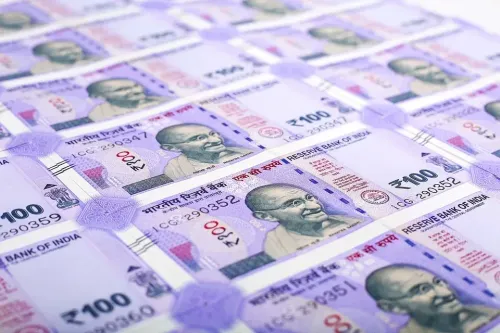
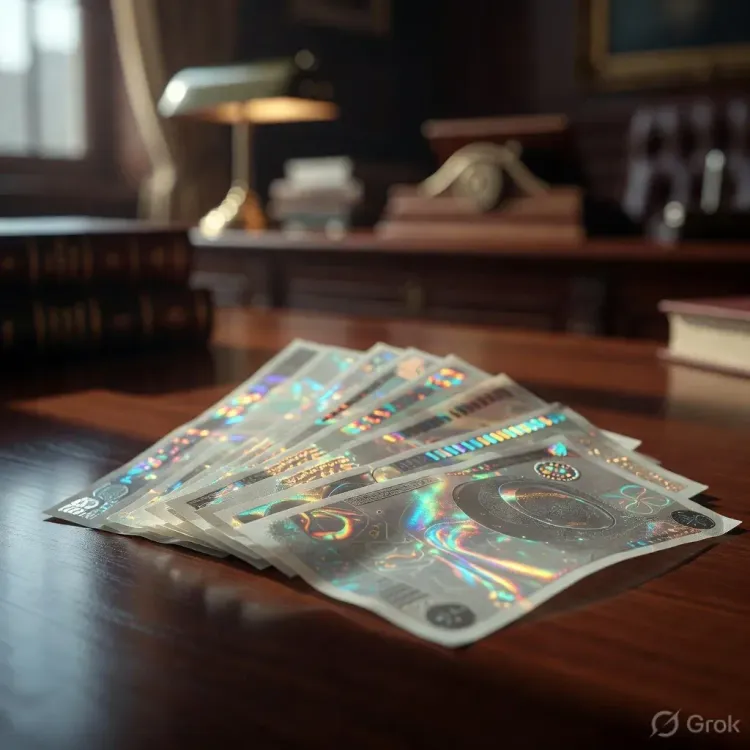
The Indian government has approved one billion polymer banknotes in ₹10 and ₹20 denominations, a long-anticipated upgrade aimed at improving note durability and cutting currency management costs. Union Textiles Minister Giriraj Singh flagged the approval on 12 August 2026, marking a production-scale leap in India's currency modernisation drive.
Key Takeaways
The government has approved the introduction of one billion polymer banknotes in ₹10 and ₹20 denominations .
Union Textiles Minister Giriraj Singh shared the announcement on 12 August 2026 .
Polymer notes last longer, resist moisture and soiling, and carry stronger anti-counterfeiting properties than conventional paper notes.
The Reserve Bank of India first proposed polymer notes in 2015 ; this approval marks the shift to production-scale rollout.
Countries like Australia and Canada adopted polymer currency decades ago, documenting significant reductions in replacement frequency and printing costs.
The RBI's printing schedule, distribution timeline, and security features of the new notes are the immediate next milestones to watch.
India's currency is about to get a durability upgrade. The government has approved the introduction of one billion polymer banknotes in the ₹10 and ₹20 denominations — a move that signals a meaningful shift in how the country manages its everyday cash supply. Union Textiles Minister Giriraj Singh shared the announcement on Wednesday, 12 August 2026, flagging the approval via his official X account.
What polymer notes actually change
Polymer banknotes are made from a thin, flexible plastic substrate rather than the cotton-linen blend used in conventional paper currency. The result: notes that last significantly longer, resist moisture and soiling, and are harder to counterfeit. Countries like Australia and Canada adopted polymer currency decades ago and have documented sharp reductions in note-replacement frequency — and therefore in printing costs. India's move mirrors that trajectory.
The ₹10 and ₹20 denominations are a deliberate choice. These are among the highest-circulation, highest-wear notes in the Indian economy — the kind exchanged at tea stalls, vegetable markets, and bus counters dozens of times a day. A longer-lasting note at this level has an outsized impact on the overall cost of currency management.
A plan a decade in the making
This approval does not come out of nowhere. The Reserve Bank of India first floated the idea of polymer notes as far back as 2015, signalling intent to test the substrate for improved durability and lower long-term printing costs. What follows now is the operational phase: the RBI's printing and distribution timeline, the security features baked into the new notes, and the logistics of introducing a new material into a circulation network of billions of pieces.
The scale of the approval — one billion notes — is itself a statement of intent. This is not a limited pilot. It is a production-scale rollout that will put polymer currency into the hands of ordinary Indians across the country.
What to watch as rollout begins
The next critical markers will be the RBI's confirmed printing schedule, the designated mints or partner facilities involved, and the phased withdrawal of existing paper notes in these denominations. Parliamentary questions on rollout costs and the security architecture of the new notes are likely to follow. India's currency modernisation just moved from proposal to production — and the ₹10 note in your pocket may soon feel very different.
Point of View
Not an extended pilot. The choice to share the announcement through a Textiles Minister rather than a finance or monetary authority is worth noting: it may reflect the broader government communication strategy of amplifying economic decisions across the cabinet. The real test will be execution — printing timelines, cost transparency, and whether the new notes enter circulation before the next election cycle makes the rollout politically salient.
NationPress
27 Sept 2026
Frequently Asked Questions
What are polymer banknotes and how are they different from regular notes?
Polymer banknotes are made from a flexible plastic substrate rather than the cotton-linen paper used in conventional currency. They last significantly longer, resist moisture and dirt, and incorporate stronger anti-counterfeiting features.
Which denominations will India's new polymer notes be in?
The government has approved polymer banknotes in the ₹10 and ₹20 denominations , covering one billion notes in total.
When did India first plan to introduce polymer currency notes?
The Reserve Bank of India first announced plans to introduce polymer banknotes in 2015 , citing improved durability and lower long-term printing costs as the primary drivers.
Which countries already use polymer banknotes?
Australia and Canada are among the most prominent adopters of polymer currency, having introduced it decades ago with documented reductions in note-replacement frequency and printing expenditure.
Who approved the polymer banknotes in India?
The Government of India granted the approval, with the Reserve Bank of India responsible for currency issuance and the rollout. Union Textiles Minister Giriraj Singh announced the development on 12 August 2026.