Giriraj Singh Highlights India's Defence Self-Reliance Gains
Synopsis
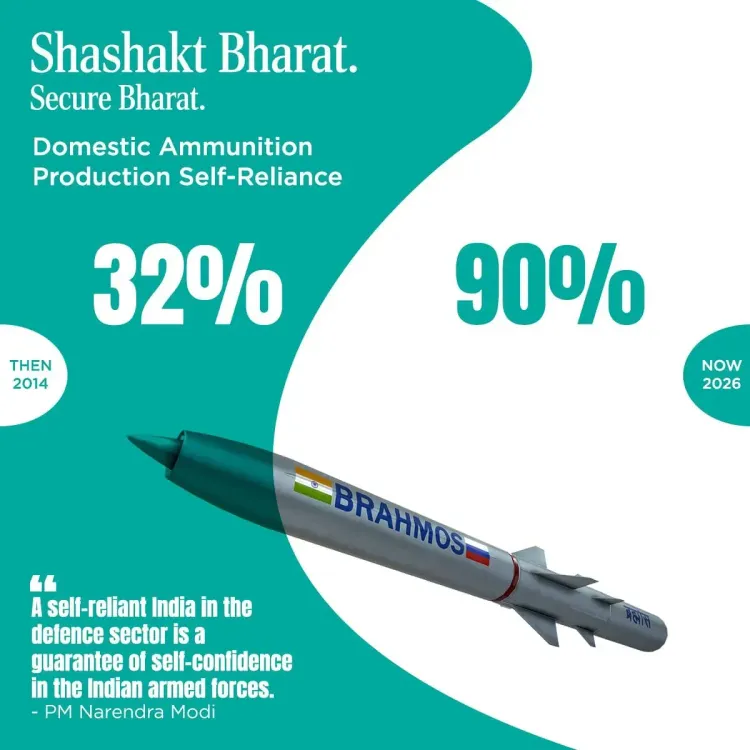
Union Textiles Minister Giriraj Singh on 17 June 2026 highlighted India's 12-year defence transformation, citing indigenous ammunition production rising from 32% to 90%, the defence budget nearly tripling to ₹8 lakh crore, over 1,000 defence startups, and expanding roles for women in the armed forces.
Key Takeaways
Giriraj Singh posted on 17 June 2026 under #12YearsOfSurakshitBharat , marking 12 years of the BJP-led government's defence policy.
Indigenous ammunition production is cited as having risen from 32% to 90% over this period.
India's defence budget is stated to have grown from ₹2.5 lakh crore to approximately ₹8 lakh crore .
The defence startup ecosystem has reportedly crossed 1,000 startups , supported largely through the iDEX programme launched in 2018.
The Aatmanirbhar Bharat initiative and a revised Defence Procurement Procedure since 2016 form the policy backbone of these gains.
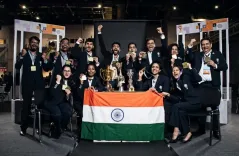
Growing participation of women in the armed forces is cited as part of the broader military empowerment agenda.
Union Textiles Minister Giriraj Singh on Wednesday, 17 June 2026 highlighted India's defence transformation over the past 12 years, citing a rise in indigenous ammunition production from 32% to 90%, a near-tripling of the defence budget from ₹2.5 lakh crore to approximately ₹8 lakh crore, the emergence of over 1,000 defence startups, and growing participation of women in the armed forces.
Context
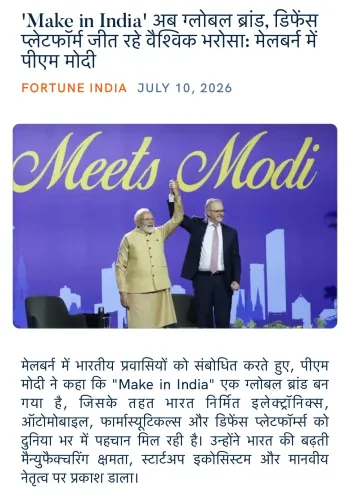
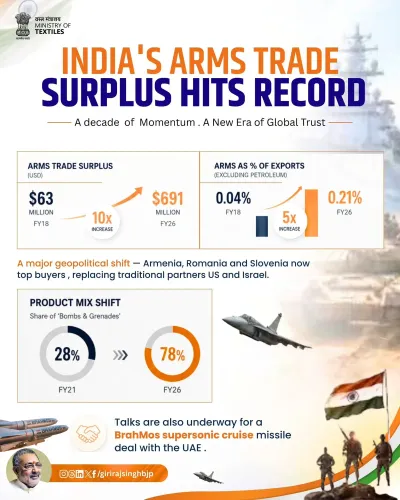
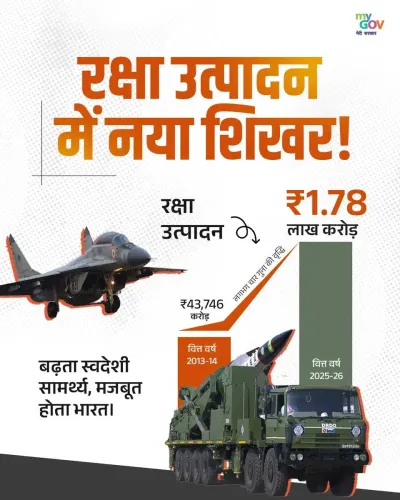
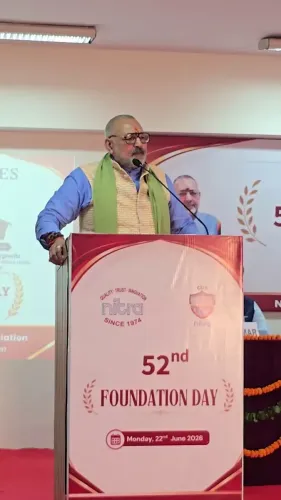
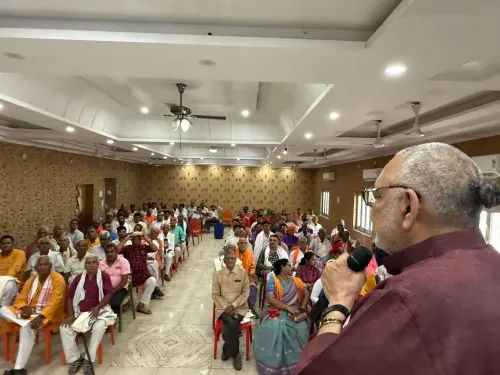
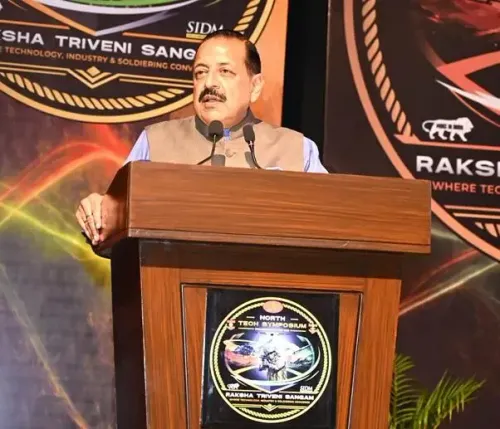
Posting under the hashtags #12YearsOfSurakshitBharat and #AatmanirbharBharat, Singh framed these milestones as evidence of a 'new India' asserting its strength on the global stage. His post, accompanied by four images, declared: 'Yeh naye Bharat ki badalti tasveer hai' — 'This is the changing picture of new India.' The figures cited span the period since 2014, coinciding with the BJP-led government's tenure.
Singh, while serving as Union Minister of Textiles, is a senior BJP leader and Lok Sabha MP from Begusarai, Bihar, who has consistently championed self-reliance and national security themes in public discourse.
Policy Backdrop
The claims align with a multi-pronged defence indigenisation drive that gained formal momentum with the revision of the Defence Procurement Procedure in 2016, which elevated the priority of indigenous design and production categories. The Aatmanirbhar Bharat initiative, launched in May 2020, introduced a negative import list — first covering 101 defence items in August 2020 — that has since been expanded across successive tranches to curb reliance on foreign vendors.
Dedicated budget lines for domestic capital procurement have been progressively raised in Union Budgets since 2014-15, reflecting a strategic intent to insulate India's military supply chains from external disruptions. The iDEX (Innovations for Defence Excellence) programme, launched in 2018 by the Ministry of Defence, has served as the primary incubation and funding mechanism for the defence startup ecosystem.
Stakeholders and Impact
Domestic defence manufacturers stand as the primary beneficiaries of the indigenisation push, gaining a larger share of capital procurement contracts that were previously routed to foreign original equipment manufacturers. The 1,000-plus defence startups figure points to a broadening industrial base, with iDEX providing early-stage funding and access to the military's problem statements.
On the social dimension, the Indian Armed Forces have incrementally opened permanent commission and combat roles to women officers across the three services through policy changes since 2015-16. Singh's reference to rising female participation in the forces underscores the government's effort to present defence modernisation as both a technological and an inclusivity agenda.
What's Next
Analysts tracking India's defence sector will watch the next Union Budget for fresh indigenisation targets and any additional negative-list notifications that could further restrict imports. New funding rounds under iDEX and the operationalisation of recently announced defence industrial corridors in Uttar Pradesh and Tamil Nadu will also serve as key indicators of whether the trajectory Singh described is sustained. The government's ability to translate headline budget figures and indigenisation percentages into verified operational capability will remain the central test of the 'Surakshit Bharat' narrative going forward.
Point of View
Using defence indigenisation as one of its most tangible proof points. The framing — pairing hard numbers on ammunition and budgets with the softer story of women's inclusion — is calibrated to appeal across both strategic and social audiences. The figures cited, while broadly consistent with the policy direction since 2014, have not been independently verified, and the gap between budgeted outlays and actual operational capability remains a subject of expert debate. Nevertheless, the post signals that the government intends to make self-reliance in defence a central plank of its political communication heading into the next budget cycle.
NationPress
15 Sept 2026
Frequently Asked Questions
What is India's current indigenous defence production percentage?
Union Minister Giriraj Singh has cited that indigenous ammunition production has risen from 32% to 90%, though these specific figures have not been independently verified from established public records.
How much is India's defence budget in 2026?
Singh's post states India's defence budget has grown to approximately ₹8 lakh crore, up from ₹2.5 lakh crore, reflecting progressive increases in capital outlay since 2014-15.
What is the iDEX programme in India?
iDEX, or Innovations for Defence Excellence, is a Ministry of Defence programme launched in 2018 to fund and incubate defence-focused startups, and is credited with helping build India's 1,000-plus defence startup ecosystem.
What is Aatmanirbhar Bharat in defence?
Aatmanirbhar Bharat in the defence context refers to a self-reliance initiative launched in May 2020 that introduced a negative import list — initially covering 101 items — to reduce India's dependence on foreign defence equipment.
Are women allowed in combat roles in the Indian Army?
Since policy changes beginning in 2015-16, the Indian Armed Forces have progressively expanded permanent commission and combat roles for women officers across all three services.