Akhilesh targets Yogi over Gorakhpur Smart City funds, waterlogging
Synopsis
SP president Akhilesh Yadav on 18 July 2026 attacked CM Yogi Adityanath over Gorakhpur's severe waterlogging, questioning billions spent under the Smart Cities Mission and demanding food, shelter, and compensation for flood victims and traders.
Key Takeaways
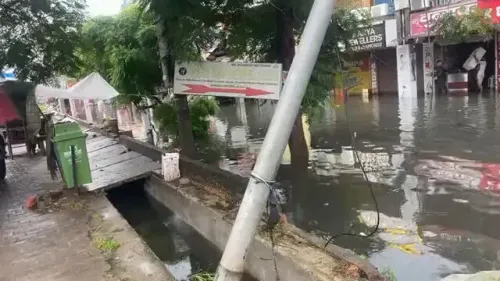
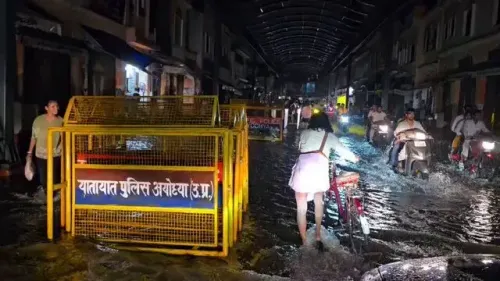
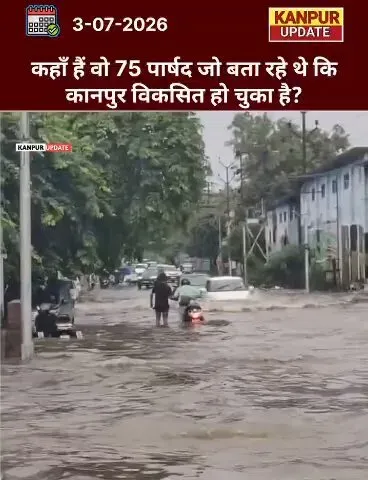
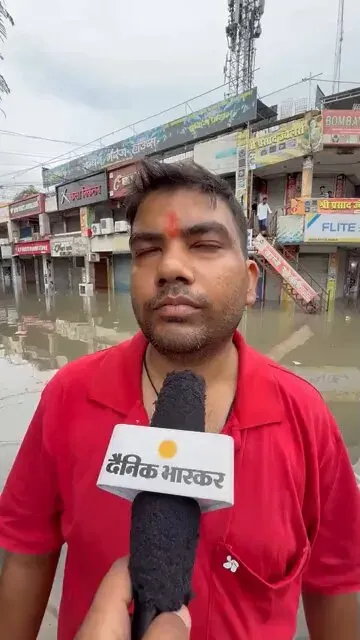
Samajwadi Party president Akhilesh Yadav on 18 July 2026 publicly attacked CM Yogi Adityanath over large-scale waterlogging in Gorakhpur , the Chief Minister's home constituency.
Yadav questioned the utilisation of billions in Smart Cities Mission funds allocated to Gorakhpur, alleging expenditure was shown only on paper.
He demanded immediate relief — food, water, medicines, daily necessities, and temporary shelter — for all residents in inundated areas.
Yadav called for honest, non-discriminatory compensation for small traders and shopkeepers whose goods were damaged in the flooding.
He demanded a war-footing cleanliness and disease-prevention drive to counter post-flood health risks.
Yadav declared that Gorakhpur has slipped from BJP's hands , framing the flooding as a political and governance failure by the ruling party.
Samajwadi Party president Akhilesh Yadav on Saturday, 18 July 2026, launched a sharp attack on Chief Minister Yogi Adityanath over severe waterlogging in Gorakhpur, demanding accountability for billions spent under the Smart Cities Mission and immediate relief for flood-affected residents and traders.
Context
Gorakhpur, the constituency that Yogi Adityanath represented as a Member of Parliament for nearly two decades before becoming Chief Minister, is battling what Yadav described as large-scale urban inundation during the 2026 monsoon. In his post, Yadav asked: 'Gorakhpur ki shahri janta apne vidhayak-mukhyamantri ke local double engine se pooch rahi hai' — 'The urban public of Gorakhpur is asking its MLA-cum-Chief Minister about the so-called local double engine' — pointedly questioning who 'swallowed' the billions shown on paper as expenditure for making Gorakhpur a smart city.
The statement is a direct jibe at the ruling BJP's 'double engine government' slogan, which promises faster development when the same party governs both the state and the Centre. Yadav's use of the phrase 'chirag tale ka andhera' — 'darkness under the lamp' — underscores his charge that the city most identified with the Chief Minister has been left to flood.
Policy Backdrop
The Smart Cities Mission, launched by the Government of India in 2015, was designed to provide central funding for technology-driven urban infrastructure across 100 selected Indian cities. Gorakhpur was among the cities included under the scheme, with funds earmarked for drainage, roads, and civic amenities.
Yadav alleged that expenditure under the mission has been shown only 'on paper' and demanded to know where the money went. He also took a pointed swipe at what he described as a foreign trip by the Chief Minister — 'Mananiya Japan kisi aur ki khoj mein gaye the, na ki city planning jaisa koi anubhav lene' — 'The honourable one went to Japan in search of something else, not to gain any experience in city planning' — implying that overseas visits yielded no urban governance lessons for Gorakhpur. The research background notes this specific Japan visit claim is unverified from established public records and is presented here only as Yadav's political assertion.
Stakeholders and Impact
Yadav listed several immediate demands for waterlogging victims: food, water, daily necessities, medicines, and temporary shelter. He also called for compensation for all property losses suffered by residents in inundated areas, without discrimination.
The SP chief gave particular attention to small traders and shopkeepers, saying they were already reeling from inflation, unemployment-driven economic slowdown, what he called a 'corrupt GST system,' and 'BJP-style collections' — and are now unable to absorb losses to their goods caused by flooding. He demanded honest, non-partisan compensation for businesses. He also called for a war-footing cleanliness drive and preventive measures against post-flood diseases such as waterborne infections.
In a closing rhetorical flourish, Yadav asked whether Gorakhpur would now be renamed 'Jalnagari' — 'City of Water' — and declared: 'This time, Gorakhpur too has slipped from BJP's hands.' This is a political claim, and its electoral implications remain to be tested.
What's Next
The Uttar Pradesh government is yet to respond formally to Yadav's demands. Key developments to watch include state announcements on compensation disbursement for flood-affected households and traders in Gorakhpur, any audit or inquiry into Smart Cities Mission fund utilisation in the city, and the pace of post-flood sanitation and disease-prevention operations. With the monsoon season continuing, the political and humanitarian pressure on the administration in Gorakhpur is likely to intensify.
Point of View
The SP frames the issue not merely as a monsoon disaster but as evidence of systematic governance failure and alleged corruption. The 'double engine' jibe is particularly pointed: it turns the BJP's own campaign rhetoric against the party by arguing that the slogan has delivered neither drainage nor development in the city it was most expected to transform. If the state government does not respond swiftly with visible relief and credible fund audits, the episode could harden opposition narratives heading into the next electoral cycle in Uttar Pradesh.
NationPress
17 Oct 2026
Frequently Asked Questions
Why is Gorakhpur flooded despite Smart Cities Mission funds?
Samajwadi Party president Akhilesh Yadav has alleged that billions sanctioned under the Smart Cities Mission for Gorakhpur were shown as spent only on paper, with no real drainage or infrastructure improvement, leading to the city's current waterlogging crisis. The state government has not yet responded to these specific allegations.
What demands has Akhilesh Yadav made for Gorakhpur flood victims?
Yadav has demanded immediate provision of food, water, daily necessities, medicines, and temporary shelter for waterlogging victims, along with fair compensation for property losses and a war-footing cleanliness and disease-prevention drive.
What is the Smart Cities Mission and was Gorakhpur part of it?
The Smart Cities Mission is a Government of India scheme launched in 2015 to fund technology-driven urban infrastructure in 100 selected cities. Gorakhpur was included under the scheme, with funds earmarked for civic upgrades including drainage and roads.
Why is Akhilesh Yadav targeting Yogi Adityanath specifically over Gorakhpur?
Gorakhpur is the constituency Yogi Adityanath represented as an MP for nearly two decades and remains the city most associated with his political identity, making its governance failures a particularly potent line of attack for the opposition.
What relief has the UP government announced for Gorakhpur flood victims?
As of Yadav's post on 18 July 2026, no formal state government response or compensation announcement for Gorakhpur's waterlogging victims had been made public. The situation remains a key development to watch.