CM Bhupendra Patel Visits Natural Farming Model Farm in Gandhinagar
Synopsis
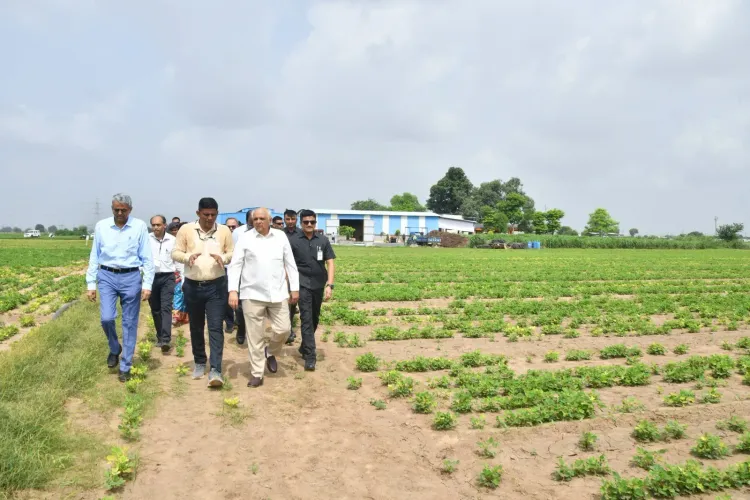
Gujarat Chief Minister Bhupendra Patel visited a model natural farming unit in Mahundra village, Gandhinagar, on 18 July 2026, inspecting cow-based prakrutik kheti practices as part of efforts to carry PM Modi's 'Back to Basics' vision to rural farmers across the state.
Key Takeaways
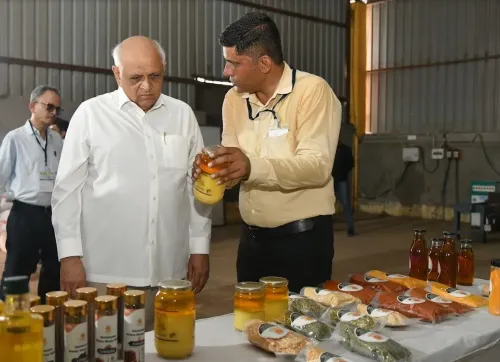
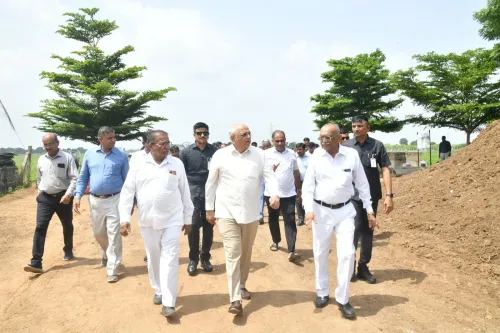
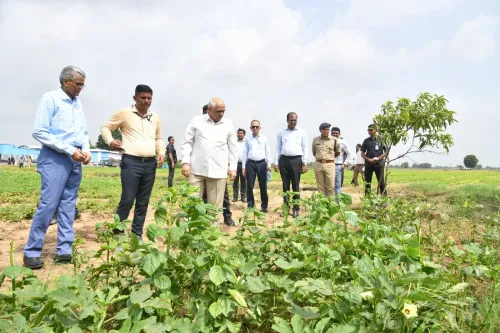
CM Bhupendra Patel personally visited the model farm of young farmer Alpesh Patel in Mahundra village, Gandhinagar taluka on 18 July 2026 .
The visit focused on cow-based natural farming ( gau-aadharit prakrutik kheti ) and the upkeep of a gaushala integrated within the farm.
The CMO described the field visit as a novel approach to spreading PM Narendra Modi 's 'Back to Basics' agricultural philosophy to rural farmers.
The national Paramparagat Krishi Vikas Yojana (2015) provides the policy foundation for promoting natural and organic farming across India.
Model farms like this serve as farmer-to-farmer demonstration units, aiming to reduce dependence on chemical inputs and lower cultivation costs.
Further district-level rollout of natural farming demonstration sites in Gujarat is anticipated following this visit.
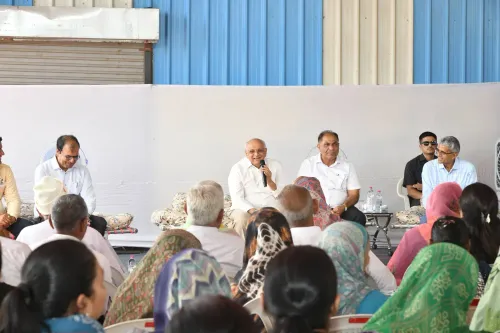
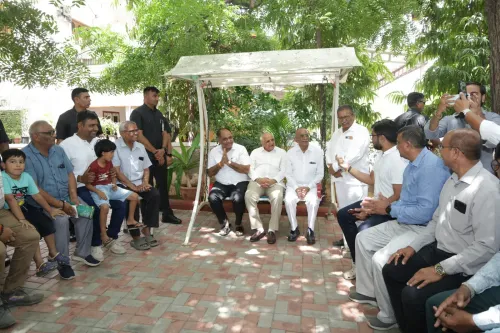
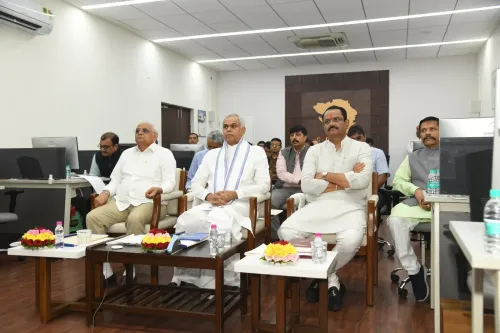
Chief Minister Bhupendra Patel of Gujarat on Saturday, 18 July 2026, personally visited the model natural farming unit of progressive young farmer Alpesh Patel at Mahundra village in Gandhinagar taluka, inspecting cow-based agricultural practices and the upkeep of the gaushala on the premises. The visit underscores the state government's hands-on approach to promoting chemical-free, traditional farming among rural communities.
Context
The Chief Minister's Office shared the visit on X, noting that CM Bhupendra Patel took keen interest in the maintenance of cows at the gaushala and gathered detailed information on gau-aadharit prakrutik kheti (cow-based natural farming). Alpesh Patel, described as a progressive young farmer, has developed a demonstration farm that integrates livestock care with chemical-free cultivation, making it a reference point for others in the region.
The CMO post stated that the Chief Minister has adopted a novel approach of conducting direct field visits to natural farming units as a way to carry Prime Minister Narendra Modi's 'Back to Basics' vision broadly to rural farmers across the state.
Policy Backdrop
The 'Back to Basics' philosophy championed by PM Modi emphasises a return to traditional, low-input agricultural methods that reduce dependence on chemical fertilisers and pesticides. At the national level, the Paramparagat Krishi Vikas Yojana, launched in 2015, laid the institutional groundwork for promoting organic and natural farming across India.
Gujarat has aligned its state-level agricultural priorities with this national thrust. Direct field visits by the Chief Minister to working model farms serve as a visible signal to farmers that leadership endorses and validates these practices, not merely through policy documents but through personal engagement at the village level.
Stakeholders and Impact
Young and progressive farmers like Alpesh Patel stand at the centre of this effort — their model farms function as living demonstrations that natural farming is economically and practically viable. The approach of farmer-to-farmer learning, anchored by high-profile visits, aims to reduce scepticism among rural communities who may be wary of abandoning conventional chemical-intensive methods.
Broader beneficiaries include rural farming households across Gujarat who could reduce input costs through cow-based bio-inputs such as jeevamrut and beejamrut, while also improving soil health over time. The integration of a gaushala into the farm model additionally supports traditional livestock rearing, creating a self-sustaining agricultural ecosystem.
What's Next
Observers will watch whether this visit translates into a wider district-level rollout of natural farming demonstration sites and structured training programmes for farmers across Gujarat. Any mention of dedicated allocations in the next state agriculture budget or formal policy review sessions would indicate the depth of institutional commitment behind these symbolic field visits.
As Gujarat continues to position itself as a model state for natural farming, the replication of units like Alpesh Patel's farm in other talukas could become a benchmark for how Indian states operationalise the Centre's 'Back to Basics' agricultural agenda at the grassroots.
Point of View
And this visit fits a pattern of the state leadership lending grassroots credibility to centrally championed agendas. The focus on cow-based farming also carries cultural resonance in Gujarat, reinforcing both the ecological and ideological dimensions of the natural farming push. Whether the symbolism converts into measurable farmer adoption will depend on the training infrastructure and incentive structures the state deploys next.
NationPress
17 Oct 2026
Frequently Asked Questions
Why did Gujarat CM Bhupendra Patel visit a farm in Mahundra village?
CM Bhupendra Patel visited the model natural farming unit of young farmer Alpesh Patel in Mahundra village, Gandhinagar, to personally review cow-based prakrutik kheti practices and understand how PM Modi's 'Back to Basics' vision can be extended to rural farmers across Gujarat.
What is prakrutik kheti or natural farming in Gujarat?
Prakrutik kheti refers to chemical-free, traditional farming that relies on cow-based bio-inputs such as jeevamrut and beejamrut instead of synthetic fertilisers and pesticides. Gujarat has been actively promoting it in alignment with the national Paramparagat Krishi Vikas Yojana launched in 2015.
Who is Alpesh Patel, the farmer CM Bhupendra Patel visited?
Alpesh Patel is a progressive young farmer from Mahundra village in Gandhinagar taluka, Gujarat, who has developed a model farm integrating cow-based natural farming with a gaushala, making it a demonstration unit for sustainable agriculture.
What is PM Modi's 'Back to Basics' concept in farming?
PM Narendra Modi's 'Back to Basics' philosophy in agriculture encourages farmers to return to traditional, low-input cultivation methods that reduce chemical use, restore soil health, and integrate livestock — forming the ideological basis for India's natural farming promotion efforts.
What is the Paramparagat Krishi Vikas Yojana?
The Paramparagat Krishi Vikas Yojana is a Government of India scheme launched in 2015 to promote organic and natural farming practices nationwide, providing the policy and financial framework that state-level natural farming initiatives in Gujarat and elsewhere build upon.