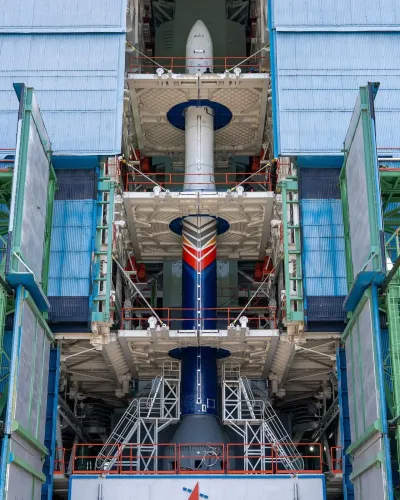
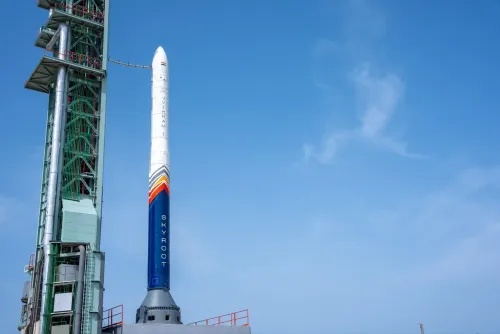
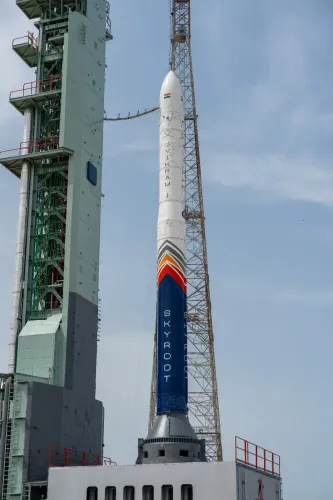
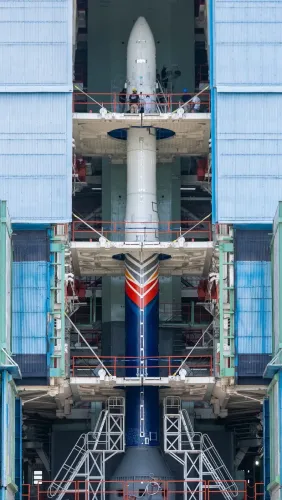
Vikram-1 launch today: India's first private orbital rocket lifts off from Sriharikota
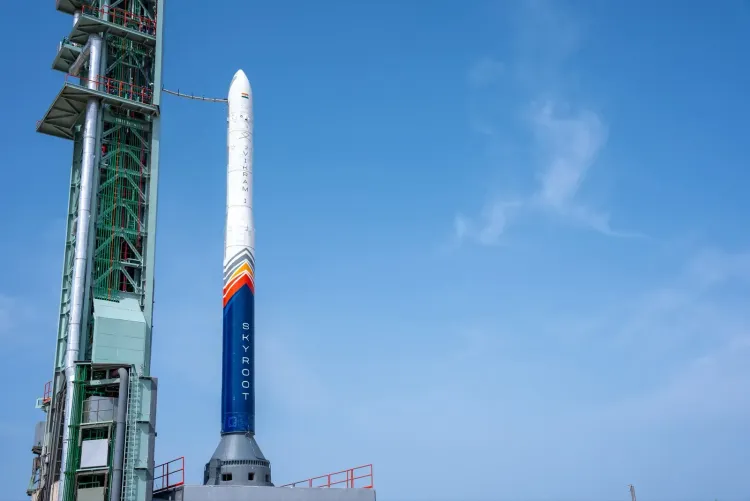
Synopsis
India's private space sector reaches orbit for the first time — or attempts to. Skyroot Aerospace's Vikram-1, lifting off from Sriharikota on 18 July, is the country's first privately built orbital rocket, and its success would put India on the map as a commercial launch destination beyond ISRO. PM Modi's 'Vande Mataram' postcard is along for the ride.
Key Takeaways
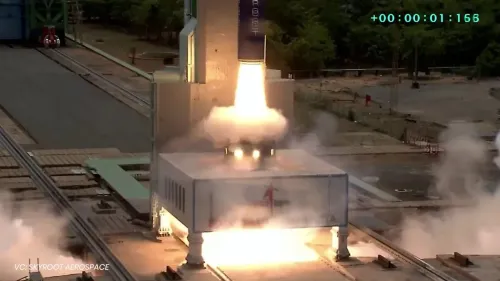
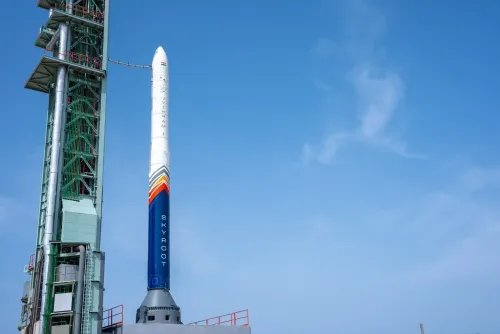
Skyroot Aerospace is launching Vikram-1 — India's first private orbital rocket — on 18 July at 11:30 am IST from Sriharikota .
The mission is named Mission Aagaman and is Skyroot's second space mission after the suborbital Vikram-S flight on 18 November 2022 .
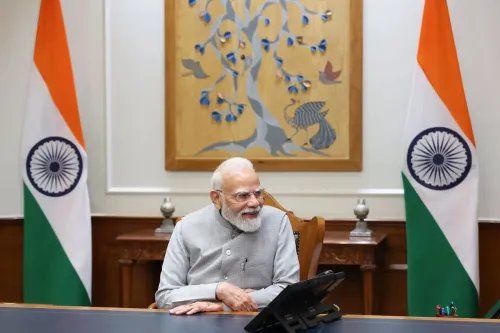
Prime Minister Narendra Modi's handwritten postcard with the words 'Vande Mataram' is among the symbolic payloads on board.
All airspace and maritime clearances have been secured ahead of launch.
A successful flight would mark India's entry into the global private orbital launch market.
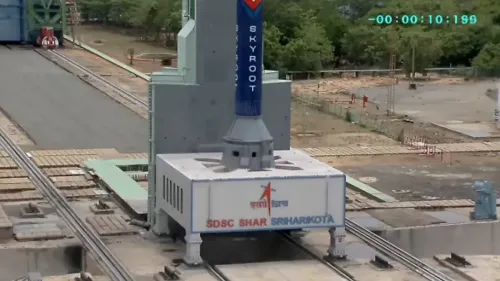
Skyroot Aerospace, the Hyderabad-based space startup, is poised to script history on Saturday, 18 July with the launch of Vikram-1 — India's first privately built orbital launch vehicle — from the Satish Dhawan Space Centre (SDSC-SHAR) in Sriharikota, Andhra Pradesh. Lift-off is scheduled for 11:30 am IST from the First Launch Pad, marking what could be a defining moment for India's commercial space ambitions.
Mission Aagaman: What Is Being Launched
The mission, christened Mission Aagaman, is Skyroot's second space mission overall, following the successful suborbital flight of Vikram-S on 18 November 2022. Unlike its predecessor, Vikram-1 is designed for orbital insertion — a significantly more demanding technical challenge that places it squarely in competition with global commercial launch providers.
Skyroot confirmed that all necessary airspace and maritime clearances have been secured ahead of the launch. Authorities have notified restricted airspace and maritime exclusion zones along the rocket's flight path and impact corridor to ensure mission safety.
Special Payloads and the PM's Postcard
Adding a symbolic dimension to the technical milestone, Prime Minister Narendra Modi's handwritten postcard bearing the words 'Vande Mataram' will travel aboard Vikram-1. The rocket will also carry handwritten notes from Skyroot team members, investors, policymakers, and well-wishers from across the world.
Skyroot described the initiative as 'a celebration carried by many hands and shared by millions,' positioning the keepsakes as a reflection of the collective support underpinning India's emerging private space ecosystem. According to the company, the symbolic payloads represent the shared vision and collaborative spirit that have helped shape India's new era in space exploration.
Why This Launch Matters for India's Space Sector
Vikram-1 is developed entirely by a private Indian company, making it a landmark in the post-IN-SPACe regulatory era that opened India's space sector to private players. A successful orbital mission would validate India's capacity to produce commercially competitive launch vehicles outside the Indian Space Research Organisation (ISRO) ecosystem.
This comes amid a global surge in demand for small-satellite launch services, with players like SpaceX's Rideshare, Rocket Lab, and JAXA-backed startups competing for a rapidly expanding market. India's cost-efficiency advantage — long demonstrated by ISRO — could translate into a strong commercial proposition if private players like Skyroot can deliver reliability at scale.
What Happens Next
A successful Vikram-1 test flight is expected to open new avenues in the commercial satellite launch market for Indian private firms. Industry observers note that the mission's outcome will be closely watched by domestic and international satellite operators evaluating Indian launch options. Skyroot has previously indicated plans for a family of Vikram rockets with progressively higher payload capacities, suggesting this launch is the first step in a longer commercial roadmap.
Point of View
But whether it can deliver the cost-reliability combination that commercial satellite operators demand repeatedly. One successful flight will attract attention; a cadence of them will attract contracts. The symbolic payload — Modi's postcard — is good politics, but the harder work is building the launch manifest that follows. India's window in the small-sat launch market is real, but it is not indefinite: Rocket Lab, SpaceX Rideshare, and a dozen Asian competitors are not waiting.
NationPress
16 Oct 2026
Frequently Asked Questions
What is Vikram-1 and who built it?
Vikram-1 is India's first privately developed orbital launch vehicle, built by Hyderabad-based startup Skyroot Aerospace. It is designed to carry payloads into orbit and represents a major step beyond Skyroot's earlier suborbital Vikram-S rocket.
When and where is Vikram-1 launching?
Vikram-1 is scheduled to lift off on 18 July at 11:30 am IST from the First Launch Pad at the Satish Dhawan Space Centre (SDSC-SHAR) in Sriharikota, Andhra Pradesh.
What is Mission Aagaman?
Mission Aagaman is the name given to the Vikram-1 test flight. It is Skyroot Aerospace's second space mission, following the successful suborbital launch of Vikram-S on 18 November 2022.
What payloads is Vikram-1 carrying?
Vikram-1 is carrying several symbolic payloads, including a handwritten postcard from Prime Minister Narendra Modi bearing the words 'Vande Mataram', as well as handwritten notes from Skyroot team members, investors, policymakers, and well-wishers from around the world.
Why is the Vikram-1 launch significant for India?
Vikram-1 is the first orbital rocket developed entirely by a private Indian company, marking India's entry into the global commercial orbital launch market. A successful mission would validate the country's private space sector and open new opportunities for commercial satellite launches beyond ISRO.