Sonam Wangchuk hospitalised after 20-day hunger strike; Delhi HC order cited
Synopsis
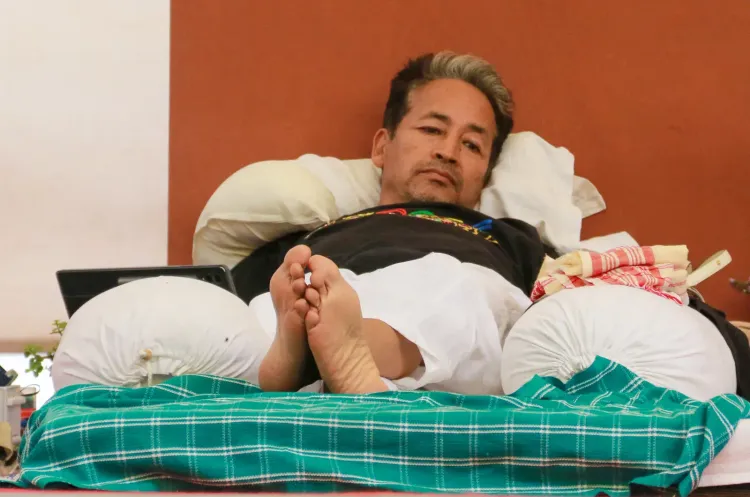
After 20 days without food and warnings of imminent organ failure, climate activist Sonam Wangchuk was removed from Jantar Mantar under a Delhi High Court order on 18 July. With Parliament's Monsoon Session opening on 20 July and protesters planning a march, the NEET controversy is set for a sharp escalation inside and outside the House.
Key Takeaways
Sonam Wangchuk was hospitalised on 18 July after a 20-day hunger strike at Jantar Mantar , New Delhi.
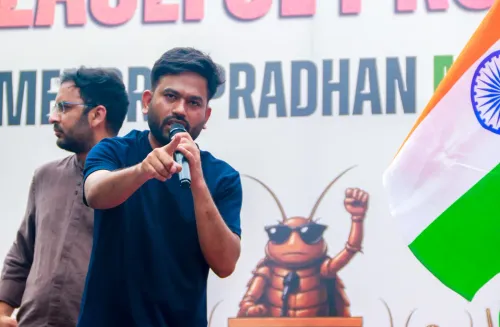
The shift was carried out under Delhi High Court directions and on medical advice, amid protests by Cockroach Janta Party (CJP) activists.
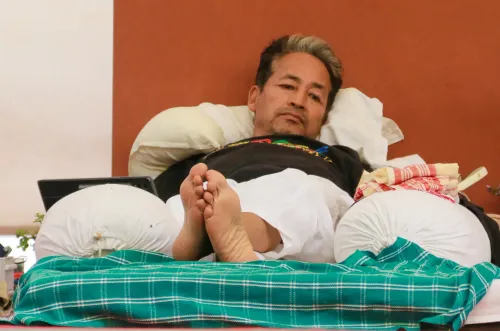
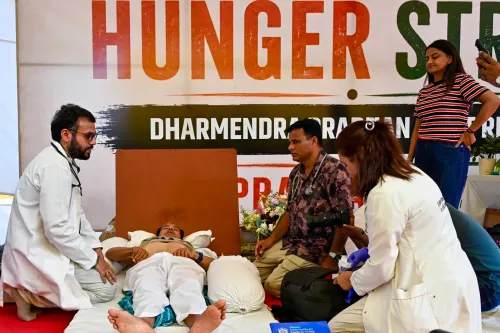
Doctors had declared his condition an emergency on Friday, warning of possible organ failure ; he had lost more than 8 kg since beginning his fast.
The protest demands the resignation of Union Education Minister Dharmendra Pradhan over the alleged NEET paper leak .
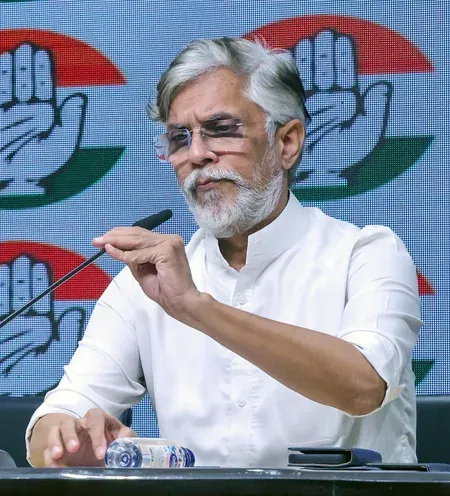
Opposition leaders including Pawan Khera , Dimple Yadav , and Arvind Kejriwal had visited Wangchuk and urged him to end his fast.
Protesters have called for a march to Parliament on 20 July , the opening day of the Monsoon Session .
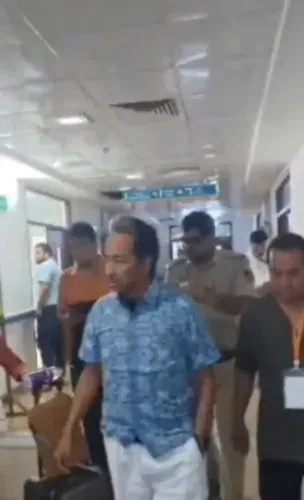
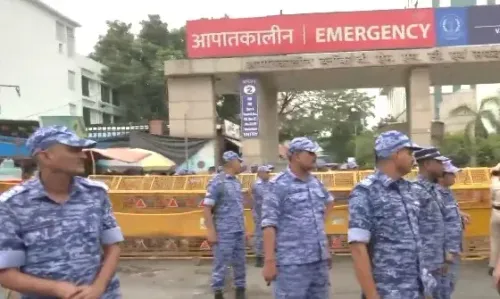
Climate activist Sonam Wangchuk was shifted to a hospital in New Delhi in the early hours of Saturday, 18 July, after his health deteriorated following a 20-day hunger strike at Jantar Mantar. The move was carried out in compliance with directions issued by the Delhi High Court and on the advice of medical experts monitoring his condition.
How the Hospitalisation Unfolded
Police personnel arrived at the protest site on Saturday morning and shifted Wangchuk to hospital amid sloganeering and protests by activists of the Cockroach Janta Party (CJP), the online satirical movement that has been leading the agitation. The Deputy Commissioner of Police (New Delhi) posted on social media platform X: 'As per orders of Hon'ble High Court and on expert medical advise due to the deteriorating health condition of Sh. Sonam Wangchuk, he has been shifted to the hospital for essential medical care. While complying with the orders of Hon'ble High Court the protestors tried to create obstruction, in which slight commotion ensued, however police took maximum restrain and undertook the exercise safely. We request the protestors at Jantar Mantar to peacefully vacate the place at the earliest.'
The Delhi High Court's Intervention
The police action came ahead of a scheduled hearing in the Delhi High Court on Wangchuk's health. Earlier in the week, the court had directed authorities to conduct daily clinical health assessments of the activist, observing that 'the life of any citizen is precious' and instructing the Centre to ensure all necessary medical intervention to safeguard his life.
Doctors monitoring Wangchuk had on Friday described his condition as an emergency, warning of the possibility of organ failure. Daily medical bulletins had indicated a steady deterioration, noting that the 59-year-old activist had lost more than eight kilograms since beginning his indefinite fast.
The Demands Behind the Protest
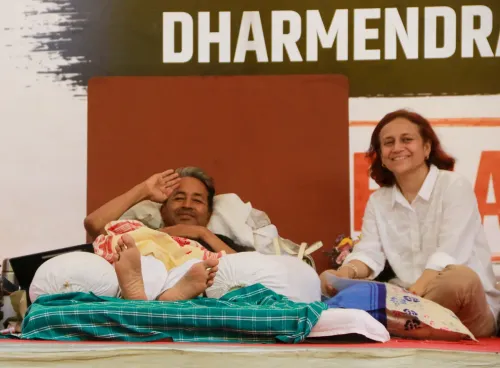
Wangchuk launched the hunger strike demanding the resignation of Union Education Minister Dharmendra Pradhan over alleged irregularities in the NEET examination. The CJP, which organised the protest at Jantar Mantar, is also seeking broader reforms in India's education system.
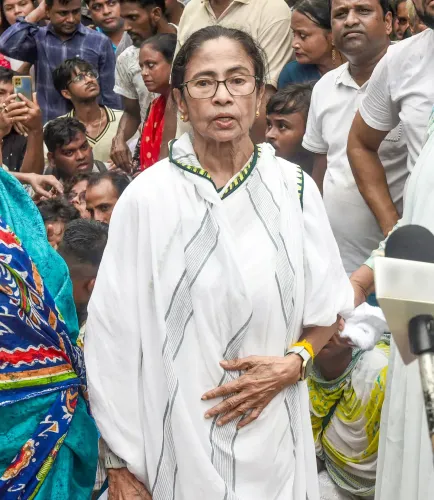
Notably, this protest sits within a wider national controversy over the NEET paper leak, which has drawn sustained Opposition pressure on the government and triggered multiple legal proceedings. The Jantar Mantar demonstration is one of several simultaneous fronts on which the NEET issue is being contested.
Opposition Visits and Next Steps
Over the preceding days, several Opposition leaders visited Wangchuk at the protest site and appealed to him to end his fast. Among them were Congress leader Pawan Khera, Samajwadi Party MP Dimple Yadav, and Aam Aadmi Party (AAP) national convener Arvind Kejriwal.
Protesters have also called for a march to Parliament on 20 July, the opening day of the Monsoon Session, and have appealed to political parties to join the demonstration. With Wangchuk now hospitalised and Parliament set to convene, the NEET controversy is poised to intensify in the coming days.
Point of View
Built on the Ladakh statehood movement, lends the NEET protest a credibility that purely partisan demonstrations lack. The timing is pointed: with the Monsoon Session opening on 20 July, the government faces the NEET controversy on multiple fronts simultaneously — in court, on the streets, and now in Parliament. The real question is whether the hospitalisation defuses or radicalises the protest movement around him.
NationPress
16 Oct 2026
Frequently Asked Questions
Why was Sonam Wangchuk hospitalised on 18 July?
Wangchuk was hospitalised after his health deteriorated critically during a 20-day hunger strike at Jantar Mantar, New Delhi. Doctors had warned of possible organ failure, and the Delhi High Court had ordered daily clinical assessments, leading authorities to shift him to hospital on medical advice.
What are the demands of Sonam Wangchuk's hunger strike?
Wangchuk is demanding the resignation of Union Education Minister Dharmendra Pradhan over alleged irregularities in the NEET examination. The protest, organised by the Cockroach Janta Party (CJP), also seeks broader reforms in India's education system.
What did the Delhi High Court order regarding Wangchuk?
The Delhi High Court directed authorities to conduct daily clinical health assessments of Wangchuk and instructed the Centre to ensure all necessary medical intervention, observing that 'the life of any citizen is precious.' The hospitalisation on 18 July was carried out in compliance with those directions.
Which Opposition leaders visited Sonam Wangchuk at Jantar Mantar?
Congress leader Pawan Khera, Samajwadi Party MP Dimple Yadav, and AAP national convener Arvind Kejriwal visited Wangchuk at the protest site and appealed to him to end his fast given his deteriorating health.
What is planned next by the protesters?
Protesters have called for a march to Parliament on 20 July, the opening day of the Monsoon Session, and have appealed to political parties to join the demonstration.