CM Manik Saha Champions Villages as Core of Development
Synopsis
Tripura Chief Minister Dr. Manik Saha declared on 18 July 2026 that villages are the epicentre of all development, criticising past urban-centric governance and urging collective Gram Panchayat participation as the path to state and national welfare.
Key Takeaways
Manik Saha , Chief Minister of Tripura , posted on 18 July 2026 calling villages the epicentre of all development.
He criticised the historically urban-centric approach to governance that sidelined rural areas.
He emphasised that collective effort by all residents of a Gram Panchayat area drives not just village progress but broader state and national welfare.
The post was written in Bengali, directly addressing Tripura 's large rural Bengali-speaking constituency.
The statement aligns with the decentralised governance framework established by the 73rd Constitutional Amendment of 1992 .
Observers will watch for follow-up policy measures such as enhanced rural budget allocations or Panchayat capacity-building programmes in Tripura .
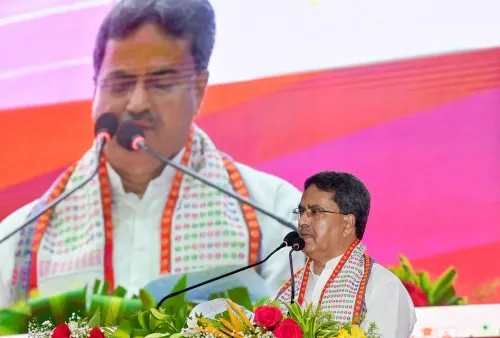
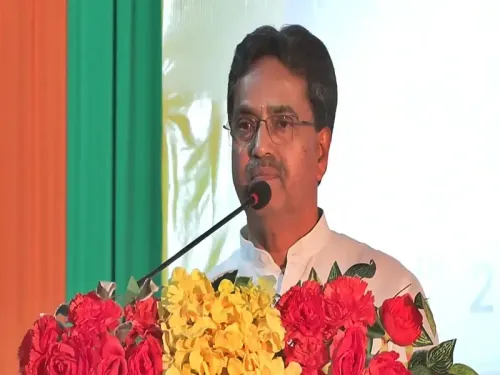
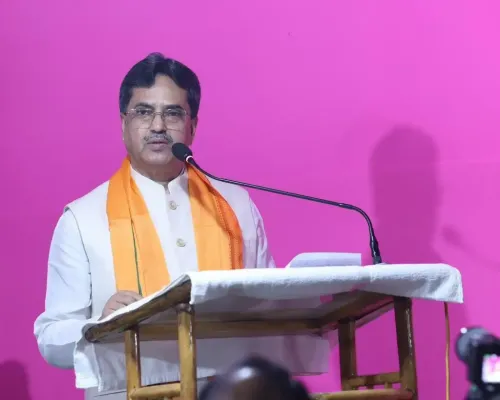
Tripura Chief Minister Dr. Manik Saha on Saturday, 18 July 2026, underscored the centrality of villages in India's development agenda, asserting that the Gram Panchayat is the true epicentre of all progress and that collective community effort at the village level uplifts not just the village but the entire state and nation.
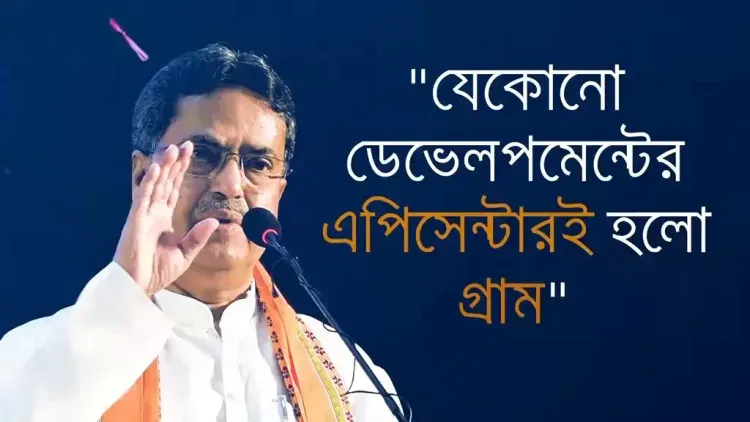
In a post shared on his official X account, Dr. Saha wrote in Bengali: 'যেকোনো ডেভেলপমেন্টের এপিসেন্টারই হলো গ্রাম' — meaning, 'The village is the epicentre of all development.' He acknowledged a historical shortcoming, noting that earlier, governance was marked by an urban-centric outlook that neglected rural areas. He emphasised that when all residents of a Gram Panchayat area unite in collective effort, the result is not merely village development but broader welfare for the state and the country as a whole.
Context
Tripura is a predominantly rural northeastern state where village-level governance has historically been central to everyday administration. The Chief Minister's remarks come as state governments across India revisit the role of local bodies in delivering development outcomes. Dr. Saha, who has led Tripura since 2022, has consistently positioned grassroots governance as a pillar of the state's growth strategy.
His choice of Bengali — the primary language of a large section of Tripura's population — signals a deliberate effort to communicate directly with rural constituents and Gram Panchayat stakeholders at the ground level.
Policy Backdrop
The philosophical foundation of Dr. Saha's remarks is rooted in the 73rd Constitutional Amendment of 1992, which mandated the creation and empowerment of Panchayati Raj institutions including Gram Panchayats as vehicles of decentralised rural self-governance. The amendment was a watershed moment that formally shifted India's development paradigm away from top-down, urban-centric planning.
Since the 1990s, successive central and state governments have reinforced this shift through constitutional mandates and rural welfare schemes that place collective local participation at the centre of inclusive growth. The Chief Minister's post reflects this long-standing policy consensus while calling attention to the gap between intent and historical practice.
Stakeholders and Impact
Gram Panchayat members and elected representatives across Tripura's rural belt are the most direct audience for this message. By framing village development as a collective responsibility — rather than a top-down government function — Dr. Saha is signalling an expectation of active community participation in local planning and implementation.
Rural communities in the state stand to benefit if the sentiment translates into stronger budgetary support, administrative capacity-building for local bodies, or dedicated rural development programmes. The emphasis on collective effort also places a degree of accountability on Panchayat leadership and residents alike.
What's Next
Observers will watch whether Tripura's state government follows the Chief Minister's public articulation with concrete policy measures — such as enhanced allocations to Gram Panchayats, rural infrastructure drives, or capacity-building initiatives for elected local body members. Northeastern states have increasingly been in focus for targeted rural development funding, and statements of this nature from chief ministers often precede or accompany formal policy announcements.
If Dr. Saha's administration translates this vision into measurable rural investment, Tripura could serve as a model for how smaller northeastern states can leverage the Panchayati Raj framework to drive inclusive, bottom-up development.
Point of View
Where Gram Panchayat elections and grassroots loyalty are central to the BJP's hold on the state. By invoking the failures of past urban-centric governance, he implicitly draws a contrast with the current administration's rural focus, a familiar BJP narrative nationally. The emphasis on collective community effort also subtly shifts responsibility toward local participation, which can serve as both an empowerment message and a framing device ahead of potential policy announcements. Whether this translates into measurable rural investment will determine how the statement is ultimately judged.
NationPress
16 Oct 2026
Frequently Asked Questions
What did Tripura CM Manik Saha say about village development?
On 18 July 2026, Chief Minister Dr. Manik Saha stated that villages are the epicentre of all development and that collective effort by Gram Panchayat residents uplifts not just the village but the entire state and nation.
What is a Gram Panchayat and why does it matter for development?
A Gram Panchayat is a village-level elected local body established under the 73rd Constitutional Amendment of 1992 to enable decentralised rural self-governance and development planning across India.
Why did Manik Saha criticise past governance in his post?
Dr. Saha noted that earlier governments followed an urban-centric outlook that neglected villages, contrasting that with the current emphasis on rural communities as the true drivers of inclusive growth.
What is Tripura's rural governance situation?
Tripura is a predominantly rural northeastern state governed under the Panchayati Raj system, where village-level bodies play a central role in local administration and development delivery.
What policy changes might follow Manik Saha's rural development remarks?
Observers are watching for concrete follow-up measures such as increased budget allocations to Gram Panchayats, rural infrastructure programmes, or capacity-building initiatives for elected local body members in Tripura.