Goa CM Office: Rivona Training Centre Empowers Rural Women
Synopsis
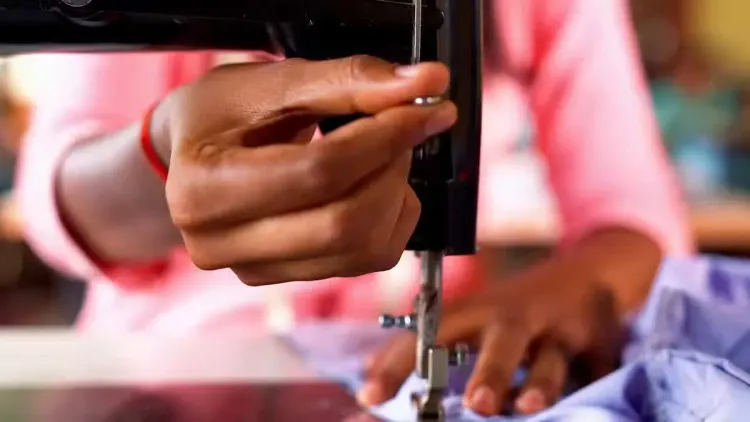
The Chief Minister's Office of Goa has highlighted a Professional Training Centre in Colamb, Rivona, set up by the Department of Handicrafts, Textiles and Coir to create livelihood opportunities for rural women through vocational skilling in traditional crafts.
Key Takeaways
The Chief Minister's Office of Goa publicised the initiative on 18 July 2026 .
The Professional Training Centre is located in Colamb, Rivona in South Goa.
It was established by the Department of Handicrafts, Textiles and Coir .
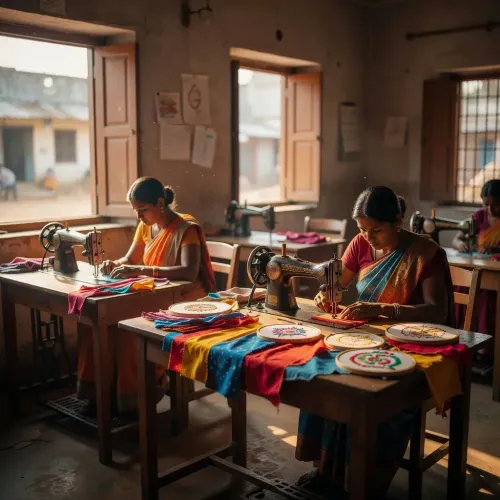
The centre targets rural women , providing vocational training in handicrafts, textiles, and coir-based crafts.
The initiative aims to open livelihood avenues in an area with limited formal employment for women.
The Rivona model could serve as a template for similar centres across other talukas in Goa.
The Chief Minister's Office of Goa on Saturday, 18 July 2026 highlighted a Professional Training Centre in Colamb, Rivona, established by the Department of Handicrafts, Textiles and Coir, describing it as opening new avenues of opportunity for rural women in the region.
Context
The village of Colamb in the Rivona area falls within South Goa, a largely rural belt where livelihood options for women have historically been limited compared to the state's coastal tourist economy. The Professional Training Centre is positioned as a direct intervention to bridge that gap, equipping women with vocational skills in handicrafts, textiles, and coir-based crafts.
The CMO's post, accompanied by a video, draws public attention to what the government frames as a grassroots skilling initiative reaching communities that formal employment networks often bypass.
Policy Backdrop
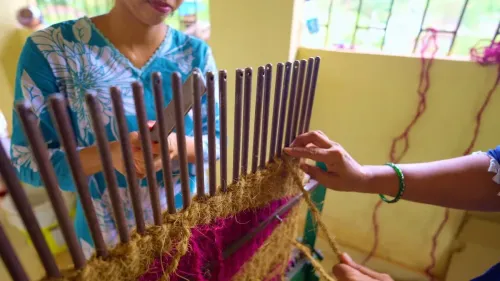
The Department of Handicrafts, Textiles and Coir in Goa operates under a mandate to preserve traditional craft industries while generating sustainable rural livelihoods. Coir — coconut fibre — is a historically significant cottage industry in coastal states, and Goa's government has periodically sought to revive and modernise it through training and market linkage programmes.
Nationally, women-focused vocational training in handicrafts aligns with broader central government frameworks aimed at formalising the informal craft economy and improving income levels for artisan households. State-level Professional Training Centres serve as delivery points for such skilling, providing hands-on instruction in weaving, dyeing, coir processing, and allied trades.
Stakeholders and Impact
The primary beneficiaries are rural women of Colamb and surrounding Rivona villages, who gain access to structured vocational training without having to travel to urban centres. For many, this represents a first formal entry point into the skilled workforce.
The Department of Handicrafts, Textiles and Coir stands as the implementing body, while local self-government institutions and village-level community groups typically play a facilitation role in mobilising participants. Successful trainees can potentially access state marketing channels or self-help group networks to sell their produce, converting skills into income.
Broader economic beneficiaries include the Goa handicrafts sector, which depends on a steady pipeline of skilled artisans to sustain production volumes and quality standards for both domestic and export markets.
What's Next
The CMO's decision to spotlight this centre suggests the government may be building a public narrative around rural women's empowerment ahead of potential programme expansions or budget allocations for similar centres in other underserved talukas of Goa.
If the Rivona model demonstrates measurable outcomes — enrolment numbers, income gains, or product market linkages — it could serve as a template for replication across North Goa and other interior constituencies. The state's ability to document and publicise such results will be key to sustaining political and financial momentum behind the initiative.
Point of View
Textiles and Coir department — not a headline ministry — suggests the government is seeking political credit for quiet, ground-level work ahead of a likely expansion push. The move fits a wider pattern among state governments of using social media to document welfare delivery as both accountability signalling and electoral groundwork. Whether the centre translates into sustained income gains for women, or remains a well-publicised pilot, will determine its real policy value.
NationPress
18 Jul 2026
Frequently Asked Questions
What is the Professional Training Centre in Rivona Goa?
It is a vocational training facility in Colamb, Rivona, established by Goa's Department of Handicrafts, Textiles and Coir to skill rural women in traditional crafts such as weaving, textiles, and coir processing.
Which department runs the Colamb Rivona training centre for women?
The centre is run by the Department of Handicrafts, Textiles and Coir under the Government of Goa.
How does the Rivona training centre help rural women in Goa?
It provides structured vocational training close to their villages, giving rural women skills in handicrafts and coir-based trades that can be converted into income through self-help groups or state marketing channels.
Where is Colamb Rivona located in Goa?
Colamb is a village in the Rivona area of South Goa, an interior rural belt distinct from the state's coastal tourist zones.
What is coir and why is it important for Goa's craft sector?
Coir is a natural fibre extracted from coconut husks and is a historically significant cottage industry in coastal Indian states including Goa, forming a key part of the handicrafts sector the department seeks to sustain and modernise.