Goa CM Hails Public Support for Vocal for Local and Swayampurna Goa
Synopsis
The Chief Minister's Office of Goa reported that the CM appreciated strong public support for Vocal for Local, Swayampurna Goa, women empowerment and rural entrepreneurship, in remarks linked to the Purumentacho Bazar initiative on May 25, 2026.
Key Takeaways
The Chief Minister's Office of Goa posted on May 25, 2026 that the CM appreciated public support for key schemes.
The schemes highlighted include Vocal for Local , Swayampurna Goa , women empowerment, and rural entrepreneurship.
The post was tagged with #PurumentachoBazar , indicating a connection to a local market or exhibition event.
Swayampurna Goa was launched around 2020 to promote self-help groups and village-level economic self-reliance.
Vocal for Local is a national campaign under the Atmanirbhar Bharat framework encouraging citizens to buy locally made products.
Primary beneficiaries are women entrepreneurs and rural businesses across Goa.
The Chief Minister's Office of Goa on Monday, May 25, 2026, shared that the Chief Minister appreciated the overwhelming public response to key state and national initiatives including Vocal for Local, Swayampurna Goa, women empowerment, and rural entrepreneurship — with the post linked to the Purumentacho Bazar initiative.
Context
The official post, shared from the @goacm handle, noted that the Chief Minister appreciated the 'overwhelming support shown by the people towards Vocal for Local, women empowerment, rural entrepreneurship and Swayampurna Goa.' The hashtag #PurumentachoBazar suggests the remarks were made in connection with a local market or exhibition event, consistent with the format such schemes typically take on the ground.
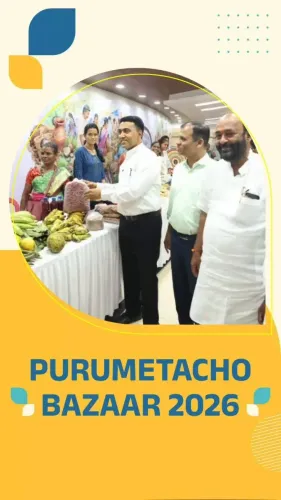
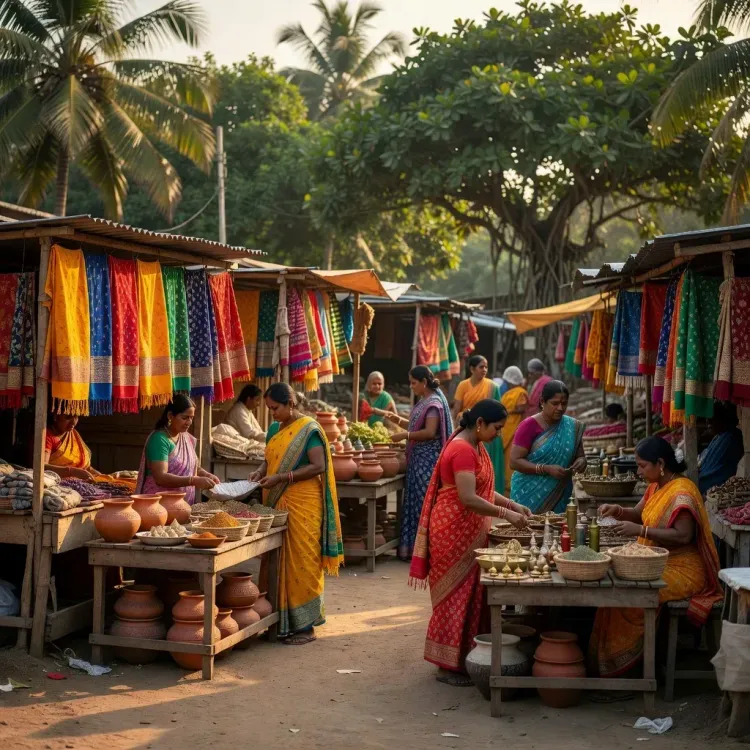
Purumentacho Bazar, whose name draws from the Konkani word for 'our own,' reflects the broader cultural framing of self-reliance initiatives in Goa. Official appreciation statements of this kind commonly follow on-ground exhibitions where self-help groups and local entrepreneurs display and sell their products.
Policy Backdrop
Swayampurna Goa was launched around 2020 as a state-level scheme aimed at promoting self-help groups, rural entrepreneurship, and community-driven economic activity during a period of broader economic recovery. The scheme encourages village-level self-reliance by connecting local producers with markets and institutional support.
Vocal for Local is a national campaign that emerged under the Atmanirbhar Bharat framework, also announced in 2020, urging citizens to prioritise domestically made goods. Goa's alignment of its own Swayampurna programme with this national slogan represents a pattern seen across multiple Indian states seeking to channel central policy energy into localised action.
Stakeholders and Impact
The primary beneficiaries of both schemes are women entrepreneurs and rural businesses across Goa's villages and semi-urban areas. Self-help groups led by women form the backbone of these initiatives, producing handicrafts, food products, and other locally sourced goods that are showcased at events such as the Purumentacho Bazar.
Public participation in such bazaars signals grassroots buy-in for the state government's economic agenda. Sustained footfall and commercial activity at these events serve as informal indicators of scheme uptake, influencing future budget allocations and programme design for women-led enterprises.
What's Next
Attention will now turn to formal progress reports on the Swayampurna Goa scheme, including metrics on self-help group formation, revenue generated through local markets, and state budget provisions earmarked for women-led rural enterprises. How the government translates this expressed public enthusiasm into measurable policy outcomes will be the key indicator of the initiative's long-term trajectory.
Point of View
Participatory community event, which is politically effective. Across Indian states, such endorsements at bazaars and exhibitions have become a standard tool for demonstrating scheme traction ahead of budget cycles or elections. The durability of this approach will ultimately depend on whether measurable economic outcomes for women-led enterprises follow the applause.
NationPress
8 Oct 2026
Frequently Asked Questions
What is Swayampurna Goa?
Swayampurna Goa is a state government scheme launched around 2020 to promote self-reliance, self-help groups, and rural entrepreneurship in Goa through community participation and local market linkages.
What is Purumentacho Bazar in Goa?
Purumentacho Bazar is a local market initiative in Goa whose name derives from the Konkani phrase meaning 'our own,' designed to showcase and sell products made by local entrepreneurs and self-help groups.
What is the Vocal for Local campaign?
Vocal for Local is a national campaign launched under the Atmanirbhar Bharat framework in 2020, encouraging Indian citizens to buy and promote domestically produced goods over imported alternatives.
How does Swayampurna Goa support women?
Swayampurna Goa supports women by organising and funding self-help groups, providing them access to local markets like Purumentacho Bazar, and enabling rural women entrepreneurs to sell their products directly to consumers.
What did Goa CM say about Vocal for Local?
The Chief Minister's Office of Goa stated on May 25, 2026, that the CM appreciated the 'overwhelming support shown by the people towards Vocal for Local, women empowerment, rural entrepreneurship and Swayampurna Goa.'