CM Sawant backs Vocal for Local at Sankhali bazaar
Synopsis
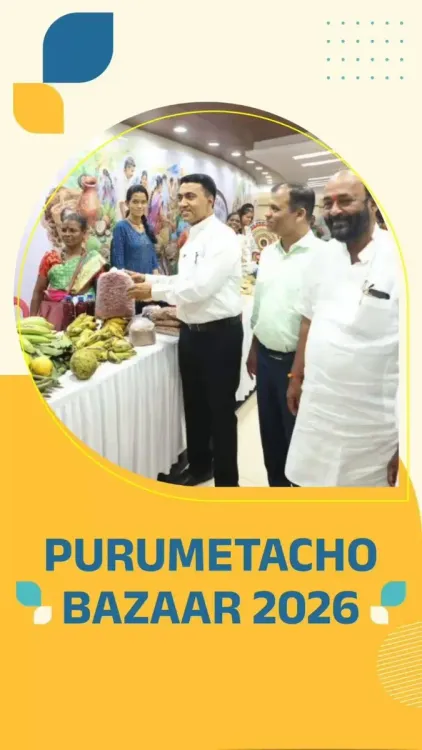
Goa Chief Minister Pramod Sawant spotlighted the Purumetacho Bazaar 2026 at Ravindra Bhavan, Sankhali, on 23–24 May 2026, calling it a platform to empower rural entrepreneurs and advance the Vocal for Local mission under the broader Atmanirbhar Bharat framework.
Key Takeaways
The Purumetacho Bazaar 2026 was held on 23–24 May 2026 at Ravindra Bhavan, Sankhali , North Goa.
Chief Minister Pramod Sawant linked the event to the national Vocal for Local campaign under Atmanirbhar Bharat .
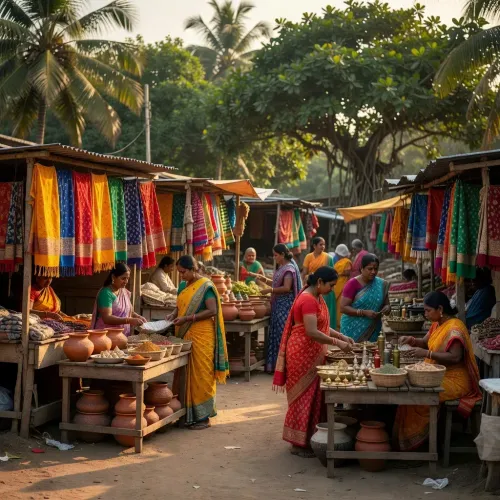
The bazaar targets rural entrepreneurs and local artisans by providing direct market access.
The Goa government has been organising district-level haats and melas since 2018 to connect rural producers with consumers.
The event is part of a broader BJP-state pattern of translating national self-reliance policy into locally branded trade events.
Possible expansion of such bazaars to additional talukas in 2026–27 is being watched by policy observers.
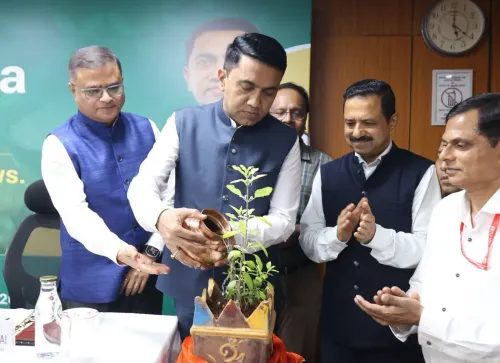
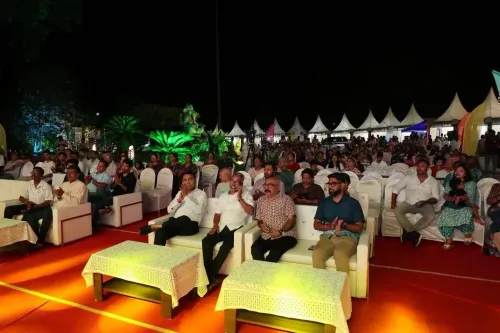
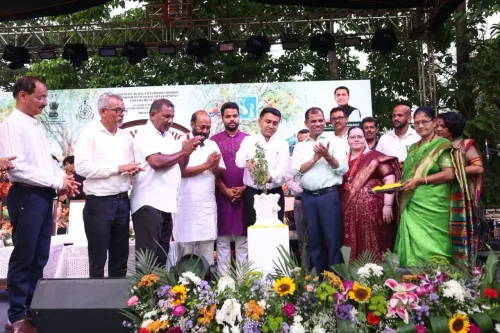
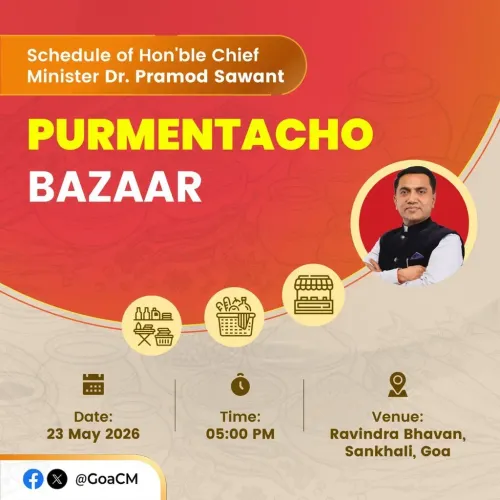
Goa Chief Minister Pramod Sawant on Saturday, 23 May 2026 highlighted the Purumetacho Bazaar 2026, a two-day local market event held on 23–24 May 2026 at Ravindra Bhavan, Sankhali, framing it as a step toward empowering rural entrepreneurs and strengthening Goa's local economy under the national Vocal for Local movement.
Context
The Purumetacho Bazaar 2026 is a community trade event staged at Ravindra Bhavan, a state-run cultural auditorium in Sankhali, a town in North Goa district. The venue has previously hosted exhibitions, performances, and trade events supporting local artisans. Chief Minister Sawant described the bazaar as one that 'strengthens the spirit of Vocal for Local, empowering rural entrepreneurs and promoting Goa's local economy.'
The two-day format — spanning 23 and 24 May 2026 — positions the event as a weekend marketplace where small producers can directly access consumers, reducing dependence on intermediaries.
Policy Backdrop
The Vocal for Local campaign is a central pillar of the Atmanirbhar Bharat Abhiyan, the self-reliance package announced by Prime Minister Narendra Modi in May 2020. The initiative was designed to encourage consumption of Indian-made goods, strengthen domestic supply chains, and support micro-enterprises at the grassroots level.
The Goa government has periodically organised district-level haats and melas since 2018 to link rural producers with urban consumers and tourists. These events serve a dual purpose: they provide a commercial platform for artisans and small entrepreneurs while reinforcing the state's cultural identity in a tourism-heavy economy.
Goa's economy has historically been anchored in mining and tourism. District-level bazaars of this kind are part of a broader effort to diversify income sources and retain economic value within local communities rather than allowing it to flow outward through import-heavy consumption patterns.
Stakeholders and Impact
Rural entrepreneurs and local artisans are the primary beneficiaries of the Purumetacho Bazaar. By providing a structured marketplace at an accessible venue in Sankhali, the event lowers barriers to market entry for producers who may lack the resources to participate in larger commercial exhibitions.
The bazaar also aligns with a pattern visible across BJP-ruled states, where the national Atmanirbhar Bharat framework is translated into visible, locally branded market events. These combine cultural programming with economic support, making the policy tangible at the constituency level. For North Goa communities, such events can also attract domestic tourists looking for authentic local products.
What's Next
Observers will watch for announcements from the Goa government — particularly from the tourism and commerce departments — on recurring funding allocations for district haats and the possible expansion of such bazaars to additional talukas in 2026–27. If the Purumetacho Bazaar model demonstrates measurable footfall and sales outcomes, it could serve as a template for similar events across Goa's other districts, deepening the state's commitment to local economic self-reliance beyond the tourism season.
Point of View
Culturally resonant events rather than top-down policy directives. For Chief Minister Sawant, publicly amplifying such a district-level market serves both an economic and a political function — keeping the Vocal for Local brand visible at the grassroots ahead of any electoral cycle. Goa's structural dependence on tourism and the lingering shadow of mining restrictions make rural enterprise promotion a strategically important diversification signal. Whether these periodic bazaars translate into sustained income gains for artisans, or remain largely symbolic, will depend on whether the state commits recurring institutional support beyond individual events.
NationPress
7 Oct 2026
Frequently Asked Questions
What is Purumetacho Bazaar 2026?
Purumetacho Bazaar 2026 is a two-day local trade event held on 23–24 May 2026 at Ravindra Bhavan in Sankhali, North Goa, aimed at promoting rural entrepreneurs and locally made products under the Vocal for Local initiative.
Where is Ravindra Bhavan in Goa?
Ravindra Bhavan is a state-run cultural auditorium located in Sankhali, a town in North Goa district, regularly used for exhibitions, trade events, and cultural programmes.
What is the Vocal for Local campaign in India?
Vocal for Local is a national campaign under the Atmanirbhar Bharat Abhiyan, launched by Prime Minister Narendra Modi in 2020, that encourages Indians to buy domestically produced goods to support local businesses and reduce import dependence.
How is Goa promoting its local economy in 2026?
The Goa government, under Chief Minister Pramod Sawant, is supporting district-level bazaars and haats such as the Purumetacho Bazaar to connect rural artisans and entrepreneurs directly with consumers, diversifying the state economy beyond tourism and mining.
What is Atmanirbhar Bharat and how does it relate to Goa?
Atmanirbhar Bharat is India's self-reliance economic framework announced in May 2020. Goa has aligned with it by organising periodic local markets since 2018 that give rural producers a platform to sell directly to consumers and tourists, reducing dependence on external supply chains.