Vikram-1 launch: PM Modi wishes Skyroot Aerospace on India's first private orbital rocket
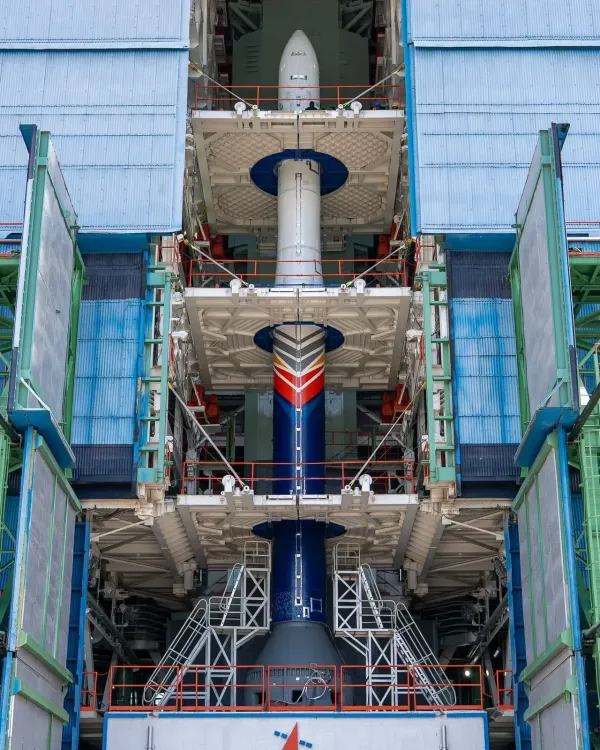
Synopsis
India's private space sector crosses its biggest threshold yet: Skyroot Aerospace's Vikram-1 — the country's first privately built orbital rocket — lifts off from Sriharikota on 18 July, with PM Modi's handwritten 'Vande Mataram' postcard riding along as payload. If it succeeds, India enters the global private orbital launch market for the first time.
Key Takeaways
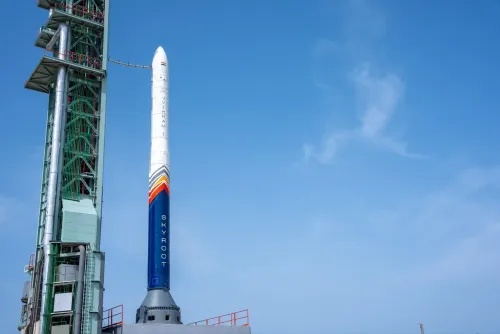
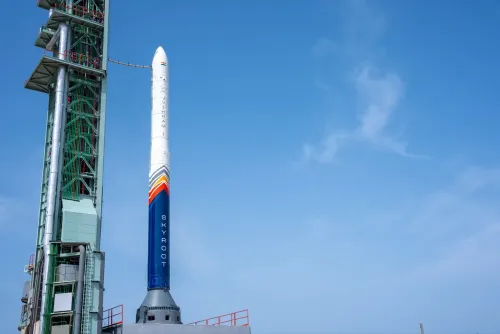
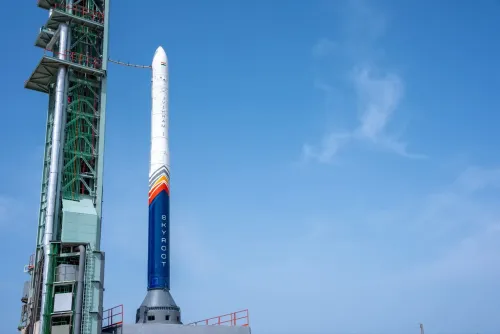
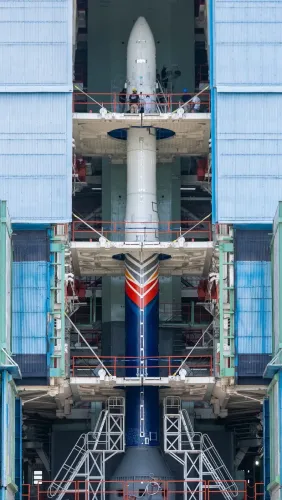
Vikram-1 , India's first privately developed orbital rocket by Skyroot Aerospace , is scheduled to launch on 18 July at 11:30 am IST from Sriharikota, Andhra Pradesh .
The mission is named 'Mission Aagaman' and will lift off from the First Launch Pad at SDSC-SHAR .
PM Narendra Modi posted best wishes on X , calling it 'a historic new frontier for India's space journey.' PM Modi's handwritten postcard with the words 'Vande Mataram' is among the special payloads aboard Vikram-1.
This is Skyroot's second mission after Vikram-S launched on 18 November 2022 — the first privately built rocket from Indian soil to reach space.
The rocket is named after Vikram Sarabhai , the father of India's space programme.
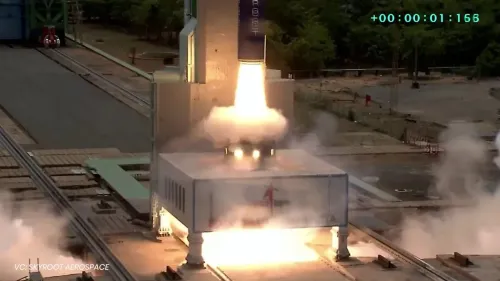
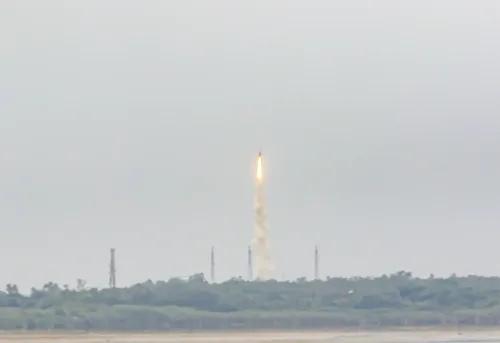
Prime Minister Narendra Modi on 18 July extended his best wishes to Hyderabad-based space startup Skyroot Aerospace ahead of the maiden orbital launch of Vikram-1, India's first privately developed orbital rocket, calling it 'a historic new frontier for India's space journey.' The mission, named 'Mission Aagaman', is scheduled for lift-off at 11:30 am IST from the First Launch Pad at the Satish Dhawan Space Centre (SDSC-SHAR) in Sriharikota, Andhra Pradesh.
What PM Modi Said
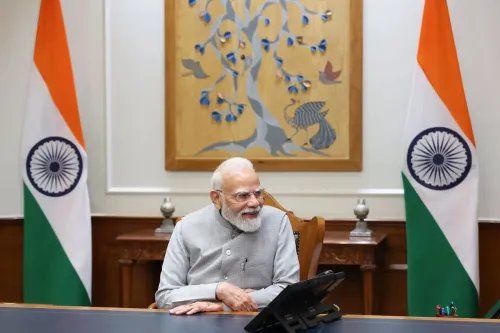
In a post on social media platform X, Prime Minister Modi described Vikram-1 as a four-stage rocket designed to provide 'rapid and on-demand launch services.' He wrote: 'This mission highlights the talent, determination and entrepreneurial spirit of our youth. It also shows how our space-sector reforms are unlocking new opportunities for innovation and enterprise.'
Modi added: 'My best wishes to the entire Skyroot Aerospace team for a successful launch. May Vikram-1 soar high, create history and inspire a generation of innovators.' He also urged Indians — particularly young people — to follow the mission using the hashtag #IndiaWithVikram1.
About Vikram-1 and Mission Aagaman
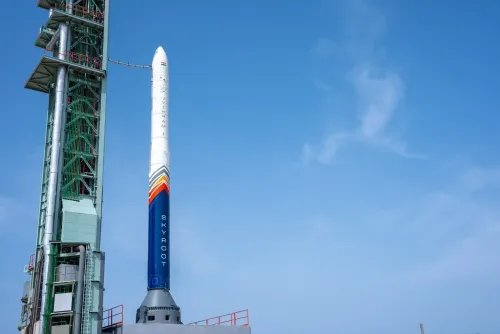
Vikram-1 is named after Vikram Sarabhai, widely regarded as the father of India's space programme. The four-stage orbital launch vehicle has been developed entirely by a private Indian company, representing a landmark step in the country's push to build commercial space capabilities.
Skyroot confirmed that all necessary airspace and maritime clearances have been secured ahead of the launch. Authorities have notified restricted airspace and maritime zones along the rocket's flight path and impact corridor to facilitate the mission safely.
A Symbolic Payload
Adding a personal dimension to the mission, Prime Minister Modi's handwritten postcard bearing the words 'Vande Mataram' will travel to space aboard Vikram-1. Skyroot said the postcard will be among several special payloads on the test flight, alongside handwritten notes from Skyroot team members, investors, policymakers, and well-wishers from across the world. The company described the initiative as 'a celebration carried by many hands and shared by millions.'
Building on Skyroot's Earlier Milestone
Mission Aagaman is Skyroot Aerospace's second space mission. The company's first, the Vikram-S suborbital rocket, launched on 18 November 2022, became the first privately built rocket to reach space from Indian soil. The Vikram-1 orbital mission marks a significant escalation in ambition — entering the global private orbital launch market for the first time.
If successful, the launch is expected to reinforce India's position as a competitive destination for commercial satellite launches and signal a maturing private space ecosystem that complements the Indian Space Research Organisation's (ISRO) national programmes.
Point of View
Velocity, and systems integration, and failure rates for debut orbital vehicles globally are high. The real significance is structural: India's space-sector liberalisation is now producing hardware that competes in the same market as Rocket Lab and SpaceX's rideshare services. What mainstream coverage underplays is the commercial pressure this creates on ISRO's own launch pricing. If Skyroot succeeds, the government will face a harder question about how much it continues to subsidise public-sector launches when private alternatives exist domestically.
NationPress
17 Oct 2026
Frequently Asked Questions
What is Vikram-1 and who built it?
Vikram-1 is India's first privately developed orbital launch vehicle, built by Hyderabad-based startup Skyroot Aerospace. It is a four-stage rocket designed to deliver satellites to orbit and provide rapid, on-demand launch services.
When and where is the Vikram-1 launch?
The launch is scheduled for 18 July at 11:30 am IST from the First Launch Pad at the Satish Dhawan Space Centre (SDSC-SHAR) in Sriharikota, Andhra Pradesh.
What is Mission Aagaman?
Mission Aagaman is the name given to Vikram-1's maiden orbital test flight. It is Skyroot Aerospace's second space mission, following the successful suborbital launch of Vikram-S on 18 November 2022.
Why is PM Modi's postcard on Vikram-1?
Prime Minister Modi's handwritten postcard bearing the words 'Vande Mataram' is being carried as a symbolic payload aboard Vikram-1. Skyroot described it as part of a broader collection of keepsakes from team members, investors, and well-wishers representing collective support for India's private space ecosystem.
How does Vikram-1 differ from Vikram-S?
Vikram-S, launched in November 2022, was a suborbital rocket — it reached space but did not achieve orbital velocity. Vikram-1 is an orbital vehicle, meaning it is designed to place payloads into Earth's orbit, which is a significantly more complex and commercially valuable capability.