CM Yogi hails Skyroot's Vikram-1 Mission Aagaman launch
Synopsis
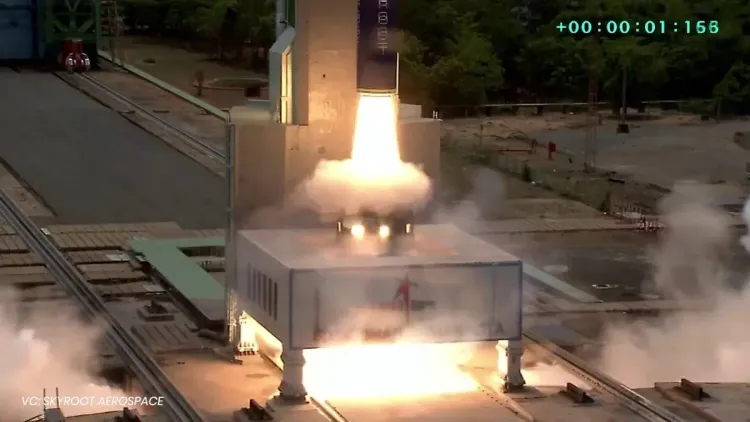
Uttar Pradesh Chief Minister Yogi Adityanath has congratulated Skyroot Aerospace on the successful orbital launch of Mission Aagaman aboard Vikram-1, India's first privately built launch vehicle, calling it a defining milestone under PM Modi's space sector reforms.
Key Takeaways
Mission Aagaman aboard Vikram-1 marks the successful orbital flight of India's first privately developed launch vehicle.
Skyroot Aerospace , a Hyderabad-based startup, developed the Vikram-1 rocket to serve the small-satellite launch market.
India's 2020 space sector reforms and the creation of IN-SPACe enabled private entities to conduct end-to-end launch operations for the first time.
The mission aligns with the Aatmanirbhar Bharat initiative, which explicitly includes private aerospace manufacturing as a priority sector.
CM Yogi Adityanath called the achievement a 'landmark' milestone in India's emergence as a global space and technology powerhouse.
Subsequent commercial flights by Skyroot and new regulatory announcements from IN-SPACe are the key developments to watch.
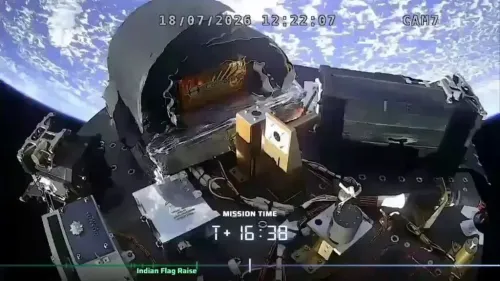
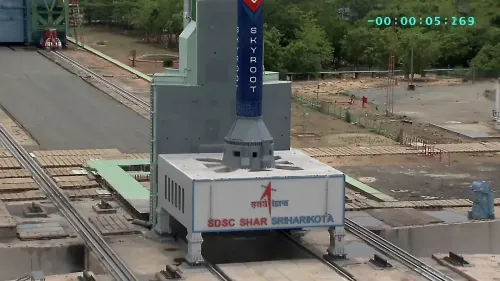
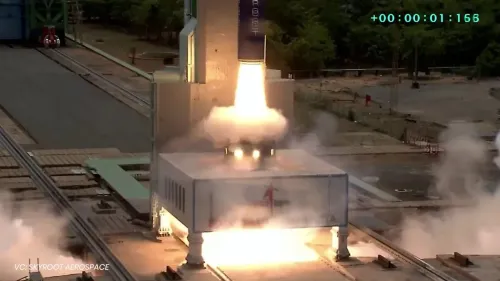
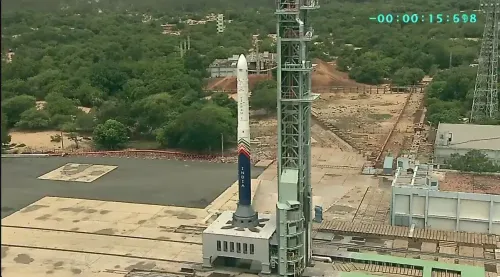
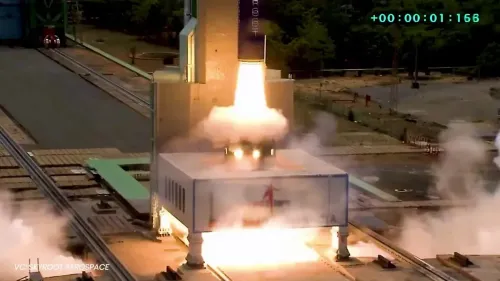
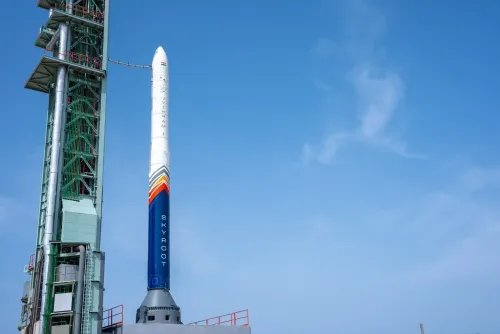
Uttar Pradesh Chief Minister Yogi Adityanath on Saturday, 18 July 2026 congratulated Skyroot Aerospace on the successful launch of Mission Aagaman aboard Vikram-1, describing it as a defining milestone in India's emergence as a global space and technology powerhouse. The launch marks the orbital debut of India's first privately developed launch vehicle, a historic first for the country's growing private space sector.
Context
Skyroot Aerospace, a Hyderabad-based startup, has developed the Vikram-1 rocket as part of its mission to provide affordable, dedicated launch services for small satellites. The successful orbital flight of Mission Aagaman represents the culmination of years of engineering work by a private Indian team operating outside the traditional state-run space programme. CM Yogi called it 'a landmark achievement' and extended his best wishes to 'the entire Team Skyroot for this historic accomplishment.'
In his post, the Chief Minister also invoked the broader national vision, expressing hope that the mission's success would 'inspire a new generation of innovators and strengthen the resolve of Aatmanirbhar and Viksit Bharat.'
Policy Backdrop
The launch is a direct product of India's landmark space sector reforms of 2020, when the Government of India restructured the country's space architecture to allow private entities to undertake end-to-end launch activities previously reserved for ISRO. Central to this shift was the creation of IN-SPACe — the Indian National Space Promotion and Authorisation Centre — which serves as the regulatory and promotional body for non-government space activities.
These reforms were embedded within the broader Aatmanirbhar Bharat self-reliance initiative launched in 2020, which explicitly included space technology and private aerospace manufacturing as priority sectors. Prime Minister Narendra Modi's government has since positioned India as a competitive destination for the global small-satellite launch market, a segment growing rapidly as commercial demand for low-Earth orbit deployment surges worldwide.
Stakeholders and Impact
The successful orbital mission by Skyroot Aerospace is expected to bolster confidence among domestic and international investors in India's private space ecosystem. Dozens of Indian space startups are at various stages of development, and a proven private orbital launch capability removes a critical dependency on foreign launch providers or ISRO's constrained manifest.
For the broader startup community, Mission Aagaman signals that the regulatory and financial environment created since 2020 can produce commercially viable outcomes. CM Yogi's public endorsement also underscores state-level political alignment with nationally driven technology initiatives, reflecting a pattern where state governments amplify central policy successes to reinforce the 'Viksit Bharat' narrative ahead of future electoral cycles.
What's Next
Attention will now turn to Skyroot Aerospace's commercial launch manifest and whether Mission Aagaman's success accelerates customer bookings for subsequent Vikram-1 flights. Observers will also watch for new policy announcements from IN-SPACe or the Department of Space that could further ease licensing, increase government procurement from private players, or expand foreign direct investment limits in the sector. India's ambition to capture a meaningful share of the global small-satellite launch market will depend on the cadence and reliability of follow-on missions.
Point of View
Giving the ruling dispensation a high-visibility achievement to promote. By invoking both Aatmanirbhar Bharat and PM Modi's 'visionary leadership,' Yogi positions the BJP's governance record as directly enabling private-sector breakthroughs. The broader significance is structural: a proven private orbital launch capability changes India's competitive posture in the global small-satellite economy.
NationPress
17 Oct 2026
Frequently Asked Questions
What is Mission Aagaman and Vikram-1?
Mission Aagaman is the orbital launch mission carried out by Vikram-1, a rocket developed by Hyderabad-based Skyroot Aerospace and India's first privately built orbital launch vehicle.
Who is Skyroot Aerospace?
Skyroot Aerospace is a Hyderabad-based Indian private space startup that developed the Vikram series of small satellite launch vehicles under India's liberalised space sector framework.
Why is Vikram-1's launch historically significant?
Vikram-1 is India's first privately developed rocket to reach orbit, demonstrating that private Indian firms can now conduct end-to-end launch operations that were previously exclusive to ISRO.
What government reforms enabled private space launches in India?
The Government of India's 2020 space sector reforms created IN-SPACe — the Indian National Space Promotion and Authorisation Centre — allowing private companies to undertake launch activities alongside ISRO for the first time.
What did CM Yogi Adityanath say about Mission Aagaman?
CM Yogi called the launch a 'landmark achievement' and a 'defining milestone,' crediting PM Modi's space sector reforms and expressing hope that the mission would inspire a new generation of innovators under the Aatmanirbhar and Viksit Bharat vision.