CM Sai Hails Vikram-1 Launch as Atmanirbhar Bharat Milestone
Synopsis
Chhattisgarh Chief Minister Vishnu Deo Sai hailed the successful orbital launch of Vikram-1 by Hyderabad-based Skyroot Aerospace as a historic milestone for Atmanirbhar Bharat, crediting Prime Minister Modi's vision for enabling India's first privately developed orbital rocket.
Key Takeaways
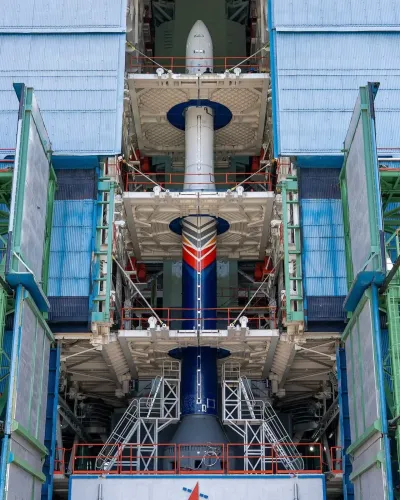
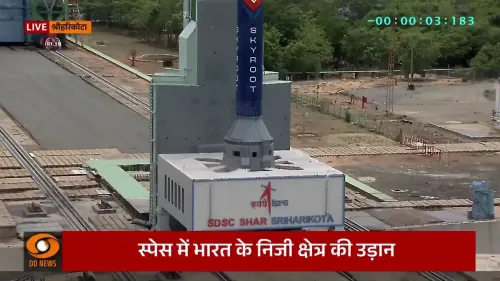
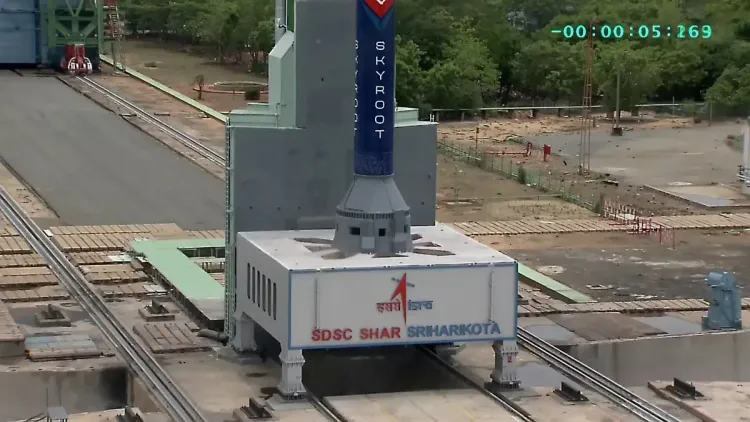
Vikram-1 , developed by Skyroot Aerospace , is India's first privately built orbital launch vehicle to achieve a successful launch.
Chhattisgarh Chief Minister Vishnu Deo Sai posted congratulations on 18 July 2026 , calling the event a historic achievement for Atmanirbhar Bharat .
The launch is a product of India's 2020 space sector reforms, which created IN-SPACe and opened orbital rocket development to private companies.
Skyroot Aerospace is headquartered in Hyderabad and develops the Vikram series of rockets for small-satellite deployment.
The success positions India's private space startups as potential commercial launch service providers in the global market.
ISRO and peer startups are expected to benefit from increased private launch capacity, enabling greater focus on deep-space and strategic missions.
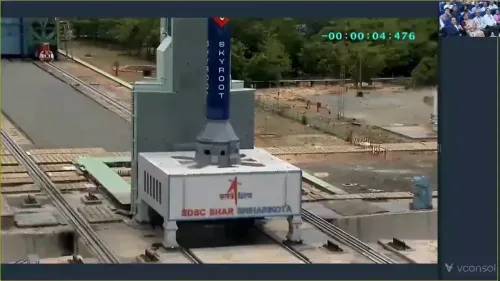
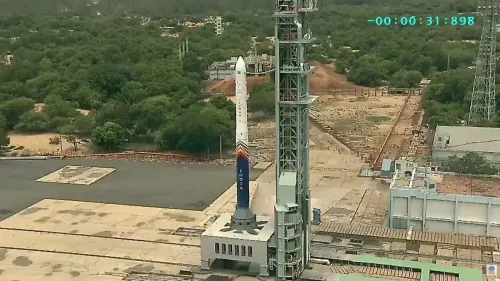
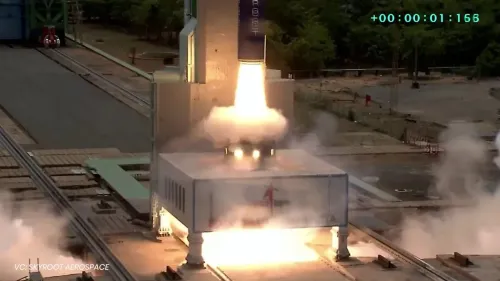
Chhattisgarh Chief Minister Vishnu Deo Sai on Saturday, 18 July 2026, congratulated Skyroot Aerospace on the successful launch of Vikram-1, India's first privately developed orbital launch vehicle, calling it a historic achievement in the country's space history and a testament to the vision of Prime Minister Narendra Modi.
Context
In a post on X, CM Sai described the event as an 'ऐतिहासिक उड़ान' (historic flight) under the banner of 'आत्मनिर्भर भारत' (self-reliant India). He wrote that the successful orbital launch of Vikram-1 by Skyroot Aerospace marks 'a new achievement in the country's space history.' He extended 'heartfelt congratulations and best wishes to the entire Skyroot Aerospace team' for the feat.
The Vikram-1 rocket is designed and built entirely by Skyroot Aerospace, a Hyderabad-based private startup, making this the first time an Indian private company has placed a vehicle into orbit independently.
Policy Backdrop
The launch is a direct outcome of India's space sector liberalisation that began in 2020, when the government established IN-SPACe (Indian National Space Promotion and Authorisation Centre) to open rocket and satellite development to private players. This structural shift moved India away from a purely state-led model anchored by ISRO toward a public-private partnership framework.
The Atmanirbhar Bharat initiative, announced in May 2020, explicitly targeted high-technology domains — including space — to reduce import dependence and build indigenous capability. The Vikram series of launch vehicles by Skyroot Aerospace is among the most visible products of that policy environment.
Stakeholders and Impact
For India's growing private space ecosystem, the Vikram-1 orbital success is a commercial and symbolic inflection point. It signals that domestic startups can now offer independent launch services for small satellites, opening a new revenue stream in the global space economy.
The scientific community and ISRO also stand to benefit: private launch capacity reduces pressure on state-run vehicles, freeing ISRO to focus on deep-space and strategic missions. Peer startups in the sector are likely to accelerate their own timelines following this demonstration.
What's Next
Skyroot Aerospace is expected to follow up with commercial flight contracts for small-satellite operators, both domestic and international. Regulatory attention will now turn to IN-SPACe and whether the government will announce fresh policy incentives or budgetary support to scale the private launch industry further.
As India positions itself to capture a larger share of the global space economy — estimated to be worth hundreds of billions of dollars over the coming decade — the Vikram-1 mission may mark the moment private Indian rocketry moved from promise to operational reality.
Point of View
The messaging reinforces the government's narrative that economic and regulatory reforms — not just state investment — are driving India's rise as a space power. The Vikram-1 launch, if it marks a genuine orbital success, would be a significant data point in that argument, given that private orbital launch capability has historically been the preserve of a handful of nations. For the broader Indian space industry, political endorsement at the state-leadership level signals continued bipartisan support for the public-private space model established in 2020.
NationPress
17 Oct 2026
Frequently Asked Questions
What is Vikram-1 and who made it?
Vikram-1 is India's first privately developed orbital launch vehicle, built by Skyroot Aerospace, a Hyderabad-based space startup. It is designed to carry small satellites into orbit.
What did Chhattisgarh CM Vishnu Deo Sai say about the Vikram-1 launch?
CM Sai described the launch as a 'historic flight' under Atmanirbhar Bharat and congratulated the entire Skyroot Aerospace team, calling it proof of India's growing scientific capability on the world stage.
How does Vikram-1 relate to Atmanirbhar Bharat?
Atmanirbhar Bharat, launched in May 2020, aimed to build indigenous capability in strategic sectors including space. The Vikram-1 launch is widely seen as a direct outcome of that initiative and the simultaneous liberalisation of India's space sector through IN-SPACe.
What is IN-SPACe and what role did it play?
IN-SPACe, or the Indian National Space Promotion and Authorisation Centre, was established in 2020 to allow private companies to develop and launch rockets in India. It provided the regulatory framework that enabled Skyroot Aerospace to build Vikram-1.
What comes next for Skyroot Aerospace after Vikram-1?
Skyroot Aerospace is expected to pursue commercial satellite launch contracts following the Vikram-1 success, while policymakers at IN-SPACe may announce further incentives to scale India's private launch industry.