Anurag Thakur hails Skyroot's Vikram 1 orbital launch
Synopsis
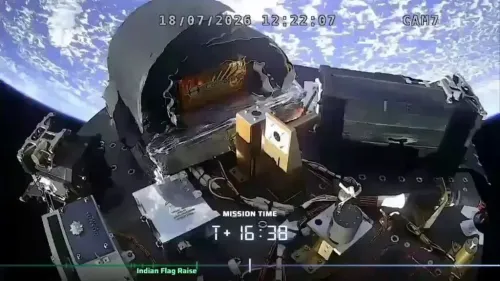
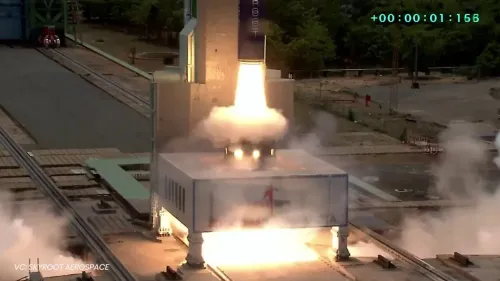
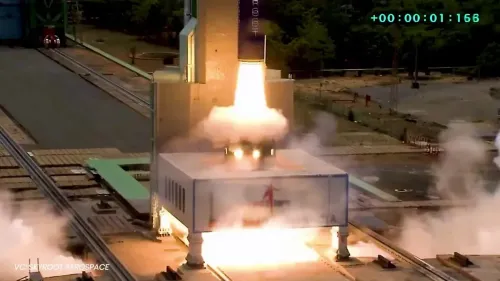
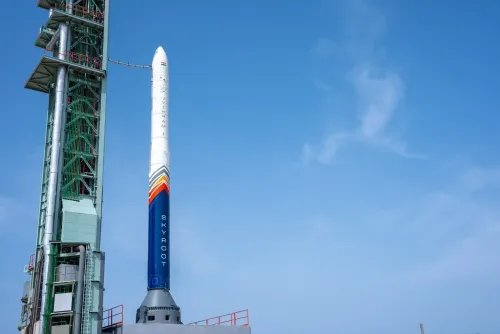
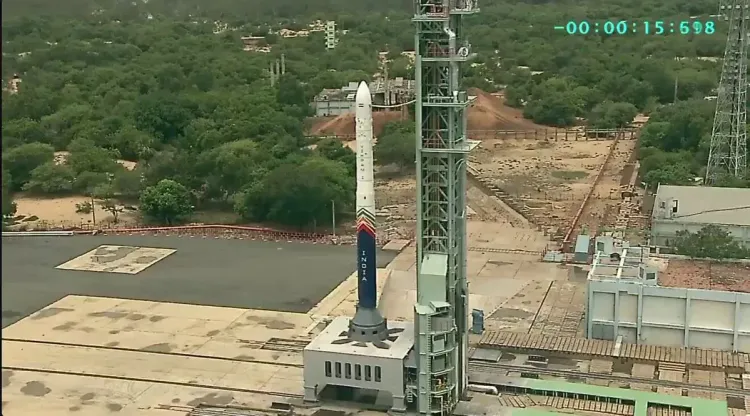
BJP MP Anurag Thakur hailed the successful orbital launch of Skyroot Aerospace's Vikram 1 rocket under Mission Aagaman on 18 July 2026 as a 'historic lift off,' crediting Modi government space reforms for enabling India's first privately developed launch vehicle to reach Low Earth Orbit.
Key Takeaways
Mission Aagaman achieved India's first successful orbital launch by a privately developed rocket, Vikram 1 , built by Skyroot Aerospace .
BJP MP Anurag Thakur called the event a 'historic lift off' and credited Modi government space-sector reforms for making it possible.
Skyroot Aerospace , founded in 2018 and based in Hyderabad , developed Vikram 1 entirely in India as a small-lift commercial launch vehicle.
India's June 2020 space-sector reforms and the creation of IN-SPACe enabled private companies to conduct orbital launches for the first time.
The milestone positions India as a credible player in the global small-satellite and rideshare launch market.
Attention now turns to Skyroot's ability to establish a regular, high-cadence commercial launch programme.
BJP MP Anurag Thakur on Saturday, 18 July 2026, called the maiden orbital launch of Vikram 1 by Skyroot Aerospace a 'historic lift off,' crediting Prime Minister Narendra Modi's space-sector reforms for enabling India's first privately developed rocket to reach Low Earth Orbit under Mission Aagaman.
Context
Thakur's post described the event as 'not just a great achievement but a historic lift off,' adding that 'our young scientists have proved that India and its space startups are capable of developing and executing a state of the art, reliable and high cadence launch programme built entirely in India.' The mission, named Mission Aagaman, marks the first time an Indian private company has successfully placed a domestically developed rocket into orbit.
Skyroot Aerospace, founded in 2018 and headquartered in Hyderabad, developed Vikram 1 — named after space pioneer Vikram Sarabhai — as a small-lift launch vehicle targeting the commercial satellite market. The company is among the earliest cohort of private launch startups to emerge after India opened its space sector to non-government players.
Policy Backdrop
In June 2020, the Modi government announced landmark space-sector reforms permitting private entities to conduct satellite launches, build launch infrastructure, and offer space-based services commercially. These reforms were part of the broader Atmanirbhar Bharat framework, which sought to reduce dependence on foreign technology and build indigenous end-to-end capability.
The Indian National Space Promotion and Authorisation Centre (IN-SPACe), established in 2020, was created as a single-window regulatory body to fast-track approvals for private-sector space projects. It has since served as the primary interface between the government, ISRO, and companies like Skyroot. Thakur noted that the reforms and innovations undertaken by the government are 'poised to make India a major player in the global space sector in the years to come.'
Stakeholders and Impact
The successful orbital insertion of Vikram 1 is significant for India's growing private space ecosystem, which now spans launch vehicles, satellite manufacturing, and downstream data services. A demonstrated end-to-end orbital launch capability by a private Indian firm signals to global satellite operators that domestic rideshare options exist, potentially attracting commercial contracts that have historically gone to established foreign providers.
Young engineers and scientists at Skyroot are at the centre of this milestone, a point Thakur emphasised in his post. The achievement also reinforces the case for sustained government facilitation — through IN-SPACe licensing, technology transfer from ISRO, and access to launch infrastructure — as the ecosystem matures and more private launch developers advance their programmes.
What's Next
The focus now shifts to whether Skyroot Aerospace can translate this debut orbital success into a regular, commercially competitive launch cadence. Analysts and industry observers will watch for follow-on mission announcements, payload manifests, and any further easing of licensing norms by IN-SPACe that could lower barriers for the next wave of Indian private launch developers.
India's ability to sustain and scale this momentum — across multiple private players, not just a single milestone mission — will determine how quickly the country can capture a meaningful share of the rapidly expanding global small-satellite and rideshare market. As Thakur put it: 'The future of space belongs to India.'
Point of View
Which bet that private capital and entrepreneurial energy could complement ISRO's state-led model. Thakur's enthusiastic endorsement reflects the BJP's broader effort to frame Atmanirbhar Bharat as a technology-transformation story, not merely an industrial one. The milestone also raises the political stakes: having championed private-sector space, the government now owns the expectation that follow-on launches will be equally successful and commercially competitive. Whether India can build a dense, reliable private launch cadence — rather than celebrating isolated firsts — will be the real test of whether the reform architecture has delivered durable results.
NationPress
17 Oct 2026
Frequently Asked Questions
What is Mission Aagaman and Vikram 1?
Mission Aagaman is the name given to the maiden orbital launch of Vikram 1, a small-lift rocket developed entirely by Hyderabad-based startup Skyroot Aerospace — marking the first time a privately built Indian launch vehicle has reached Low Earth Orbit.
Who is Skyroot Aerospace?
Skyroot Aerospace is an Indian private space startup founded in 2018 and headquartered in Hyderabad. It developed the Vikram series of launch vehicles, named after space pioneer Vikram Sarabhai, targeting the commercial small-satellite launch market.
What reforms allowed private companies to launch rockets in India?
In June 2020, the Modi government opened India's space sector to private participation, allowing companies to conduct satellite launches and build launch infrastructure. The Indian National Space Promotion and Authorisation Centre (IN-SPACe) was established the same year as a single-window regulator for private space projects.
What did Anurag Thakur say about the Vikram 1 launch?
BJP MP Anurag Thakur called the launch 'not just a great achievement but a historic lift off,' saying India's young scientists had proved the country is capable of a 'state of the art, reliable and high cadence launch programme built entirely in India.'
Why is the Vikram 1 orbital launch significant for India?
It demonstrates that an Indian private company can independently design, build, and successfully launch a rocket into orbit, opening the door to commercial rideshare contracts and establishing India as a credible competitor in the global small-satellite launch market.