Punjab CM di Yogshala: Free Yoga Scheme Reaches Villages and Cities
Synopsis
The Chief Minister's Office of Punjab confirmed on 1 July 2026 that the free CM di Yogshala scheme is operating across villages and cities statewide. Women are among the primary beneficiaries, with participants reporting health improvements and relief from chronic ailments under the government-run yoga initiative.
Key Takeaways
The Punjab government is running the free CM di Yogshala scheme in both villages and cities across the state.
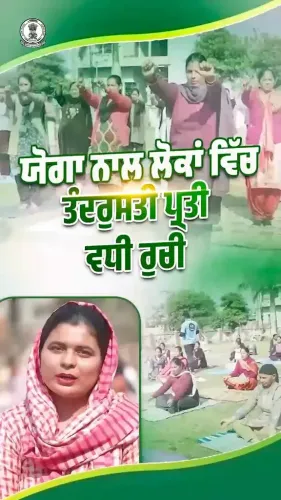
Women are highlighted as a key group benefiting from the programme at scale.
Participants are reporting relief from multiple ailments and improved general health.
The scheme is free of cost, removing financial barriers for lower-income residents.
The initiative aligns with a broader national trend of state-level yoga and Ayush-based preventive healthcare programmes.
No verified enrolment figures or specific disease-outcome data have been released alongside the announcement.
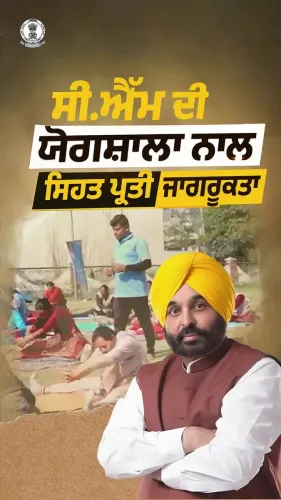
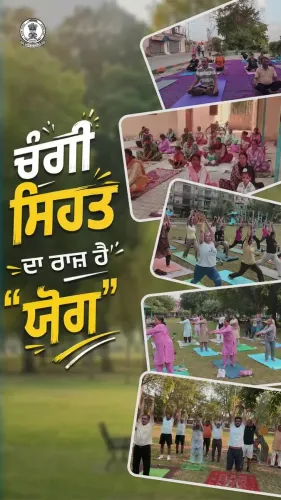
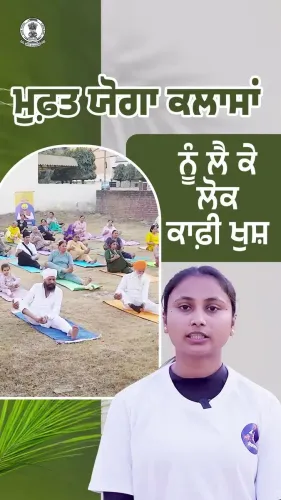
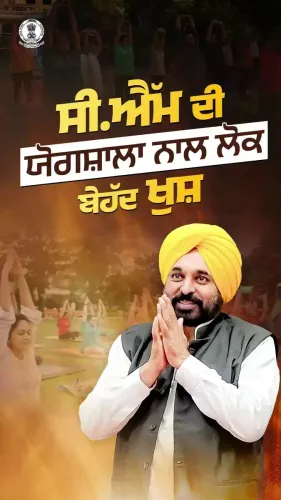
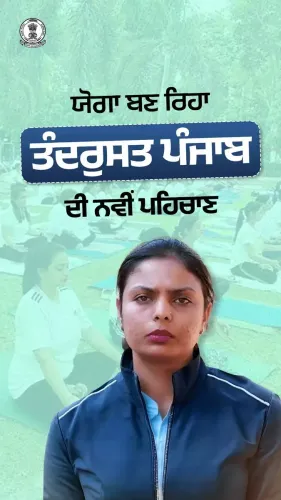
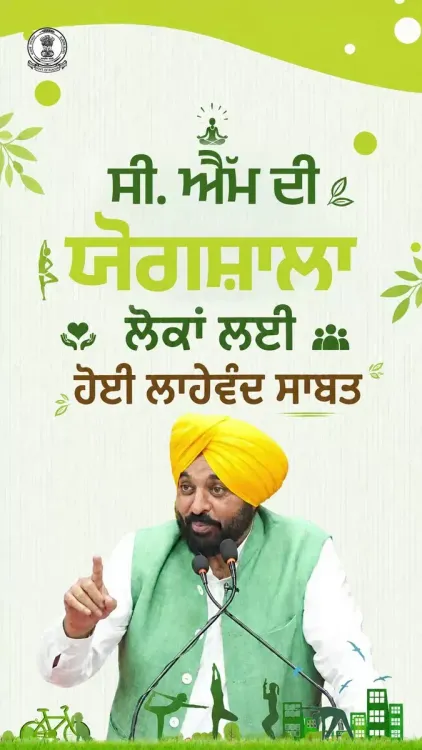
The Chief Minister's Office of Punjab announced on Wednesday, 1 July 2026 that the state government's free 'CM di Yogshala' scheme is actively running across villages and cities in Punjab, with residents — particularly women — benefiting at scale from organised yoga sessions aimed at improving public health.
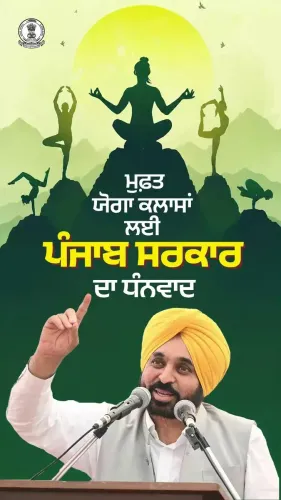
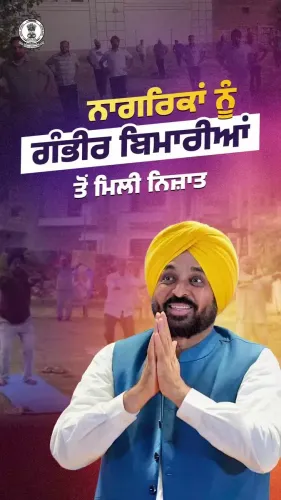
The official post states: 'ਪੰਜਾਬ ਸਰਕਾਰ ਵੱਲੋਂ ਪਿੰਡਾਂ ਅਤੇ ਸ਼ਹਿਰਾਂ ਵਿੱਚ ਮੁਫ਼ਤ ਸੀ.ਐੱਮ ਦੀ ਯੋਗਸ਼ਾਲਾ ਸਕੀਮ ਚਲਾਈ ਜਾ ਰਹੀ ਹੈ' — 'The Punjab government is running the free CM di Yogshala scheme in villages and cities.' The statement adds that participants are reporting relief from multiple ailments and are expressing gratitude to the state government for the initiative.
Context
CM di Yogshala is a flagship free yoga programme operated by the Government of Punjab, designed to bring structured yoga instruction to both rural and urban communities without cost to participants. The scheme places a particular emphasis on outreach to women, a demographic that has historically faced barriers to accessing organised fitness and wellness services in northern India. The CMO's post highlights that residents are crediting the programme with health improvements and relief from chronic conditions.Policy Backdrop
The initiative sits within a broader national trend of state governments integrating yoga and Ayush-based practices into preventive healthcare delivery, a pattern that accelerated after the United Nations designated 21 June as the International Day of Yoga in 2015. Multiple Indian states have since launched free or subsidised wellness programmes to extend access beyond urban centres and reduce the burden of lifestyle diseases on public health infrastructure. Punjab's scheme reflects this policy lineage while adding a gender-focused dimension through its targeted outreach to women participants.Stakeholders and Impact
The primary beneficiaries are rural and urban residents of Punjab, with women identified as a key group experiencing the programme's benefits. Participants, according to the CMO's communication, are reporting improvements in general health and relief from 'many diseases' — ਕਈ ਰੋਗਾਂ ਤੋਂ ਰਾਹਤ — though the specific conditions and verified participation numbers have not been detailed in the official post. The scheme's free-of-cost model removes a significant access barrier for lower-income households in both village and city settings across the state.What's Next
Attention will turn to whether the Punjab health department releases formal data on enrolment, attendance, and health outcomes linked to CM di Yogshala in the coming months. Integration of the scheme with existing frameworks such as Ayushman Bharat or district-level wellness centres could significantly expand its reach and institutional footing. The programme's sustained visibility in official communications signals that the state government intends to position it as a long-term public health asset rather than a short-cycle initiative.Point of View
Community-level wellness delivery — a space where visibility with women voters carries particular electoral weight. By framing yoga not merely as fitness but as a relief from chronic disease, the state is positioning a low-cost intervention as a high-impact public health measure. This mirrors a wider pattern across Indian states where preventive wellness programmes serve dual purposes: genuine public health outreach and brand-building for incumbent governments. The emphasis on gratitude from citizens in official communications also reflects a communications strategy that prioritises testimonial-style messaging over granular outcome data.
NationPress
30 Sept 2026
Frequently Asked Questions
What is CM di Yogshala in Punjab?
CM di Yogshala is a free yoga programme run by the Punjab government that provides organised yoga sessions to residents in villages and cities across the state, with a focus on improving public health, especially among women.
Who can join CM di Yogshala in Punjab?
The scheme is open to residents of both rural and urban areas in Punjab and is free of cost, making it accessible to people across income groups. Women have been specifically highlighted as major beneficiaries.
What health benefits does CM di Yogshala offer?
According to the Punjab government, participants have reported general health improvements and relief from multiple chronic ailments through regular participation in the free yoga sessions.
Is CM di Yogshala scheme still running in 2026?
Yes. The Chief Minister's Office of Punjab confirmed on 1 July 2026 that the CM di Yogshala scheme is actively operating across villages and cities in the state.
How does CM di Yogshala relate to national yoga policy in India?
The scheme is part of a broader trend of Indian state governments adopting yoga and Ayush-based wellness programmes for preventive healthcare, a movement that gained momentum after the United Nations designated 21 June as the International Day of Yoga in 2015.