Punjab Govt Pays Tribute to Lala Lajpat Rai on Death Anniversary
Synopsis
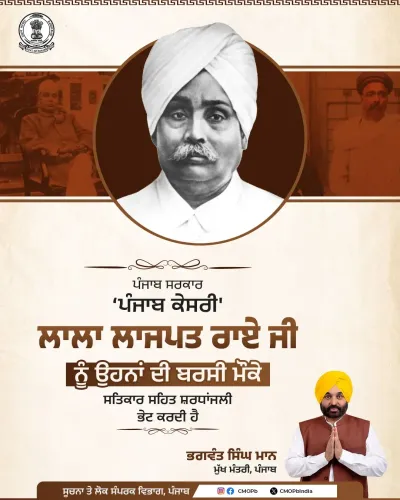
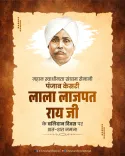
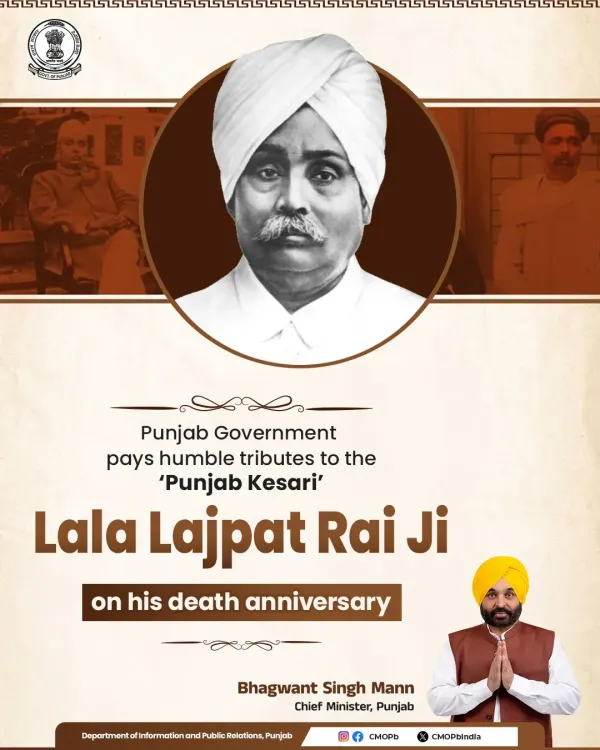
On 17 November 2026, the Punjab Government under Chief Minister Bhagwant Mann paid official tribute to Lala Lajpat Rai — 'Punjab Kesari' — on the 98th anniversary of his death from injuries sustained during the 1928 Simon Commission protests in Lahore.
Key Takeaways
17 November 2026 marks the 98th death anniversary of Lala Lajpat Rai.
The Bhagwant Mann -led Punjab Government paid formal tribute through the official Chief Minister's Office account on X.
Lala Lajpat Rai died on 17 November 1928 from injuries sustained in a police lathi charge during protests against the Simon Commission in Lahore .
He was a member of the celebrated Lal-Bal-Pal trio and held the title Punjab Kesari (Lion of Punjab).
Punjab administrations have a long-standing tradition of formally commemorating major freedom-struggle figures with strong regional roots.
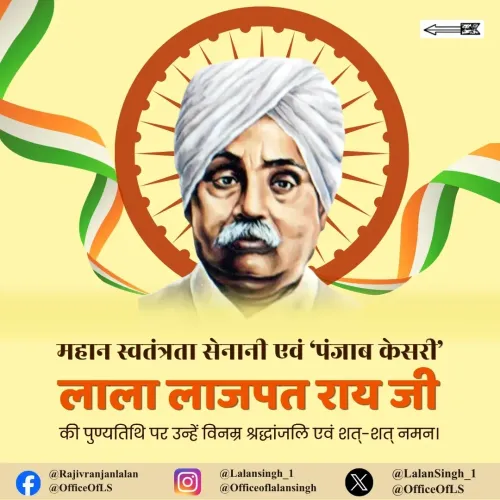
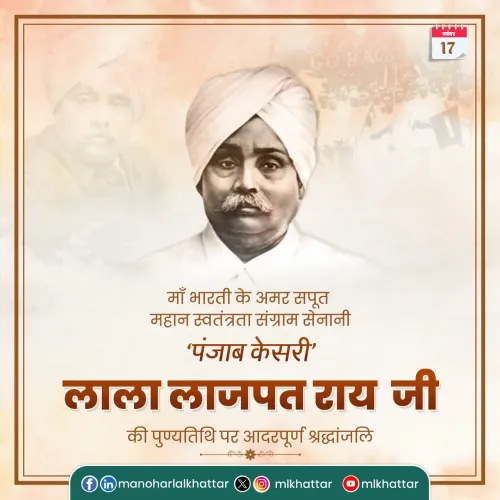
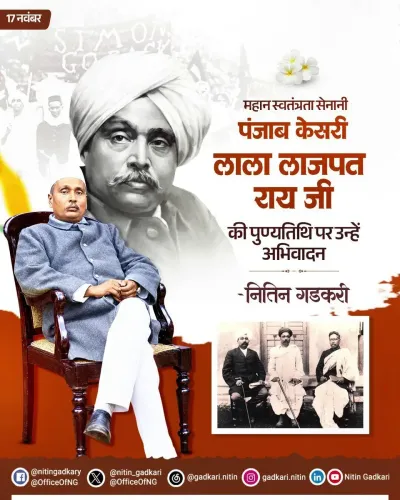
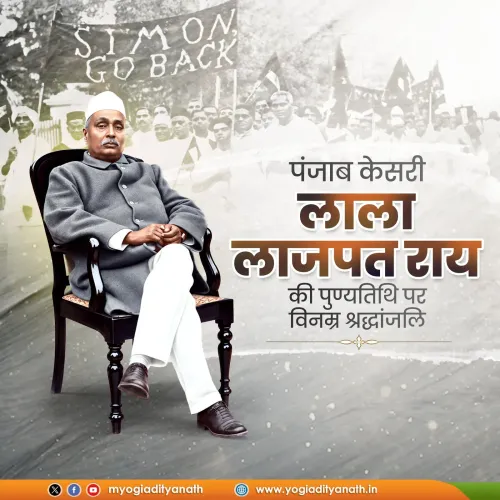
Ninety-eight years after a British lathi charge claimed the life of one of India's most defiant freedom fighters, the Chief Minister's Office of Punjab paused on Tuesday, 17 November 2026, to honour Lala Lajpat Rai — the man history remembers as Punjab Kesari (the Lion of Punjab) — on his death anniversary.
The Bhagwant Mann-led Punjab Government posted its tribute on X, calling Lala Lajpat Rai a 'great freedom fighter' and invoking his celebrated title. The gesture is an annual ritual for the state, but the name it honours carries weight far beyond ceremony.
The Man Behind the Title 'Punjab Kesari'
Lala Lajpat Rai was born on 28 January 1865 in what is now Haryana and became one of the most recognisable figures of India's independence movement — part of the legendary Lal-Bal-Pal trio alongside Bal Gangadhar Tilak and Bipin Chandra Pal. His politics were rooted in unapologetic confrontation with colonial rule, and Punjab claimed him as its own fiercest son.
His death, on 17 November 1928, came weeks after British police under Superintendent James Scott ordered a lathi charge on a peaceful procession in Lahore protesting the all-white Simon Commission — a parliamentary body that had arrived to review India's constitutional future without a single Indian member. Lajpat Rai, leading the march, took severe blows to the chest. He died from his injuries on this date, turning a protest into a martyrdom that galvanised a generation of revolutionaries.
Why Punjab Keeps the Memory Official
For the Punjab Government, annual commemorations for Lala Lajpat Rai are not incidental. The state has a long tradition of formally marking the birth and death anniversaries of freedom-movement figures with strong regional roots — a practice that connects contemporary governance to the sacrifices of an earlier era and reinforces Punjab's identity as a land of historic resistance.
Chief Minister Bhagwant Mann, heading the Aam Aadmi Party government since March 2022, has continued that tradition. Schools and state institutions across Punjab typically hold programmes around 17 November, keeping Lajpat Rai's legacy in the public consciousness.
The Simon Commission protests of 1928 that cost Lala Lajpat Rai his life also directly inspired Bhagat Singh — another towering Punjab icon — to escalate his own revolutionary path. That chain of cause and consequence is part of why the anniversary still resonates in the state nearly a century later.
Punjab Kesari did not just protest colonialism; he helped teach a generation what defiance looks like. That lesson, Punjab's government insists, is still worth remembering.
Point of View
Regularly invoking figures like Lala Lajpat Rai — who symbolise defiance against authority — carries a subtle political resonance consistent with the party's outsider, reform-driven brand. The ritual also reflects a broader pattern of Indian state governments using the freedom-movement calendar as soft cultural governance. As Punjab approaches its own political cycle, keeping these commemorations visible reinforces Mann's positioning as a steward of the state's proud historical identity.
NationPress
17 Nov 2026
Frequently Asked Questions
When did Lala Lajpat Rai die and how?
Lala Lajpat Rai died on 17 November 1928 in Lahore from injuries he sustained when British police ordered a lathi charge on a procession he was leading against the Simon Commission.
Why is Lala Lajpat Rai called Punjab Kesari?
'Punjab Kesari,' meaning 'Lion of Punjab,' was a title given to Lala Lajpat Rai in recognition of his fierce and fearless leadership of the independence movement in the Punjab region.
Who were the members of the Lal-Bal-Pal trio?
The Lal-Bal-Pal trio comprised Lala Lajpat Rai (Lal), Bal Gangadhar Tilak (Bal), and Bipin Chandra Pal (Pal) — three of the most prominent radical nationalist leaders of early-20th-century India.
What was the Simon Commission and why was it controversial?
The Simon Commission was a British parliamentary committee formed in 1927 to review India's constitutional setup. It was controversial because it included no Indian members, sparking widespread protests across India in 1928.
Who is the current Chief Minister of Punjab?
Bhagwant Mann of the Aam Aadmi Party has been the Chief Minister of Punjab since March 2022 .