Puri at PAFI Forum: India's Energy Resilience in a Disrupted World
Synopsis
At the 13th PAFI Annual Forum, Petroleum Minister Hardeep Singh Puri detailed how India shielded households and industries from global energy disruption — citing a near-62% jump in domestic LPG output and strategic import diversification as the pillars of a pre-crisis resilience doctrine.
Key Takeaways
Petroleum Minister Hardeep Singh Puri spoke at the 13th Annual PAFI Forum on September 25, 2026 under the theme 'India 3.0 Engaging for Growth in a Disrupted World.' Domestic LPG production was ramped up from approximately 34,000 MT per day to 55,000 MT per day during the period of global energy market stress.
India diversified energy import sources and prioritised household fuel requirements to ensure uninterrupted supply across homes, industries, and transport.
Puri framed India's strategy around a 'resilience before crisis' doctrine — preparedness, diversification, and timely decision-making as pre-emptive tools.
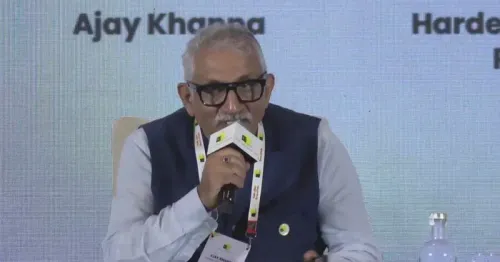
The forum also featured former Ambassador Navdeep Suri and PAFI Co-Founder Ajay Khanna , with discussion centred on India's positioning in an uncertain global economy.
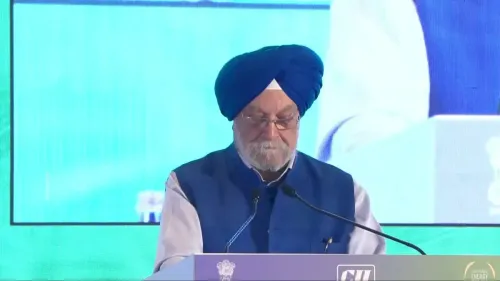
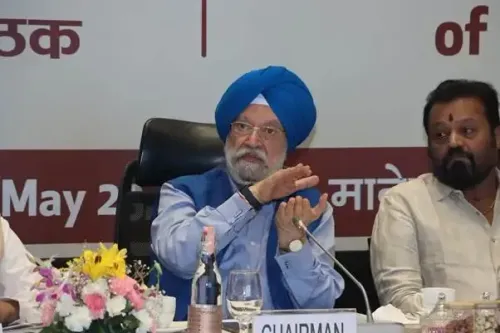
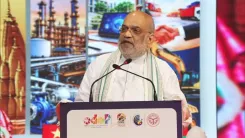
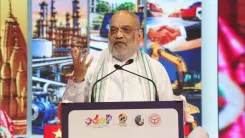
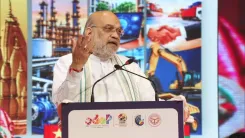
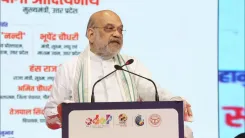
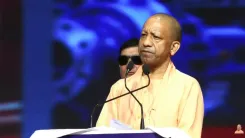
When geopolitical shocks severed traditional energy supply routes and sent global fuel markets into turmoil, India did not scramble — it executed. Union Petroleum Minister Hardeep Singh Puri made that case forcefully on Friday, September 25, 2026, speaking at the 13th Annual Forum of the Public Affairs Forum of India (PAFI) organised under the theme 'India 3.0 Engaging for Growth in a Disrupted World.'
What Puri Said on the PAFI Stage
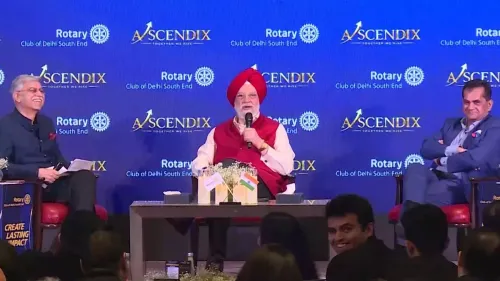
Minister Puri was joined by former Indian Ambassador Navdeep Suri — a one-time diplomatic colleague — and Ajay Khanna, Co-Founder of PAFI, alongside other senior professionals. The conversation centred on how India steered its energy policy through an era of acute global uncertainty.
Puri cited a striking operational metric: domestic LPG production was ramped up from around 34,000 metric tonnes per day to 55,000 metric tonnes per day, even as supplies were diversified through alternative sources. Household requirements, he stressed, were accorded explicit priority throughout. 'The result was uninterrupted availability of essential fuels for our households, industries, transport sector and retail outlets — keeping kitchens running, mobility uninterrupted and the wheels of our economy moving,' he noted.
The Geopolitical Stress Test India Navigated
The backdrop Puri described is well understood: the 2022 Russian invasion of Ukraine and subsequent Western sanctions restructured global energy trade overnight. Traditional supply routes buckled. Prices spiked. Economies that had not diversified their import baskets felt the pain immediately.
India's response was a combination of moves that had been years in the making — expansion of domestic refining capacity, infrastructure upgrades for LPG production, and a deliberate shift in import sourcing that included significantly higher volumes from Russia while maintaining existing supplier relationships. The sequencing mattered: the groundwork had been laid before the crisis arrived, not after it.
The 'Resilience Before Crisis' Doctrine
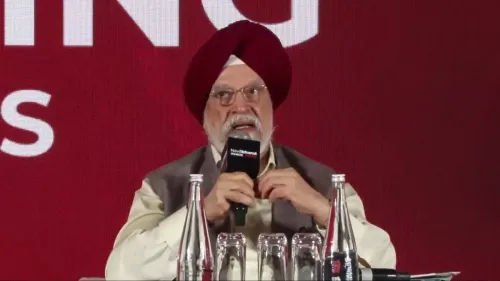
Puri's central argument at the PAFI forum was less a victory lap and more a policy lesson. 'In an era of global uncertainty, India's experience demonstrates the importance of building resilience before a crisis arrives — through preparedness, diversification and timely decision-making,' he said.
That framing — resilience as a pre-crisis investment, not a post-crisis patch — has become a recurring theme in India's energy policy discourse. The PAFI forum, which brings together business leaders, diplomats, and policymakers for structured dialogue on India's global positioning, provided a natural platform for Puri to articulate this as a replicable model.
The LPG production numbers Puri cited — a near-62 per cent surge in daily output — underscore how significantly the domestic supply base was stretched to buffer households from import volatility. For a country where LPG is the primary cooking fuel for hundreds of millions, that buffer was not merely economic. It was social.
Why the Timing of This Forum Matters
With global energy markets still navigating residual geopolitical uncertainty and the next Union Budget cycle approaching, the policy signals Puri chose to emphasise — diversification, domestic capacity, pre-crisis planning — may well preview the ministry's upcoming priorities. Any new production targets or import diversification frameworks in the next budget review will be watched closely against this declared doctrine.
India, Puri's remarks suggest, is not just a reactive buyer in global energy markets. It intends to be a strategically prepared one.
Point of View
The minister's public articulation of these metrics may be setting the stage for fresh targets in domestic production capacity and import diversification. The PAFI platform — a credible, multi-stakeholder forum — amplifies the credibility of the message beyond a political speech.
NationPress
25 Sept 2026
Frequently Asked Questions
What did Hardeep Singh Puri say at the PAFI Annual Forum 2026?
Minister Puri discussed India's energy resilience strategy, highlighting that domestic LPG production was increased from around 34,000 MT per day to 55,000 MT per day during global supply disruptions, and that import diversification and household fuel prioritisation kept essential supplies uninterrupted.
What is the PAFI Annual Forum?
PAFI stands for Public Affairs Forum of India, an organisation that convenes business leaders, diplomats, and policymakers for structured dialogue on public policy and India's economic growth. The 2026 forum was its 13th edition, held under the theme 'India 3.0 Engaging for Growth in a Disrupted World.'
How did India increase its LPG production during the global energy crisis?
According to Minister Puri, India expanded domestic LPG output significantly — from approximately 34,000 MT per day to 55,000 MT per day — through refinery capacity upgrades and infrastructure improvements that had been built up over preceding years as part of an energy security programme.
How did geopolitical tensions affect India's energy supply?
Geopolitical tensions, particularly following the 2022 Russian invasion of Ukraine and ensuing Western sanctions, disrupted traditional energy supply routes and put severe pressure on global energy markets. India responded by diversifying import sources and ramping up domestic production to shield households and industries.
What is India's energy resilience doctrine according to Puri?
Puri articulated a 'resilience before crisis' approach: building preparedness, diversifying supply sources, and making timely decisions before a crisis strikes rather than reacting after. He cited India's experience during global energy disruption as a demonstration of this principle's effectiveness.