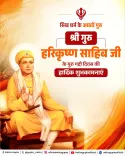
Puri pays tribute to Guru Har Rai Sahib on Jyoti Jyot Diwas
Synopsis
Union Petroleum Minister Hardeep Singh Puri marked Guru Har Rai Sahib Ji's Jyoti Jyot Diwas with a bilingual tribute on X, highlighting the seventh Sikh Guru's timeless teaching that serving the poor is an act of worship equal to offering to the Guru's own treasury.
Key Takeaways
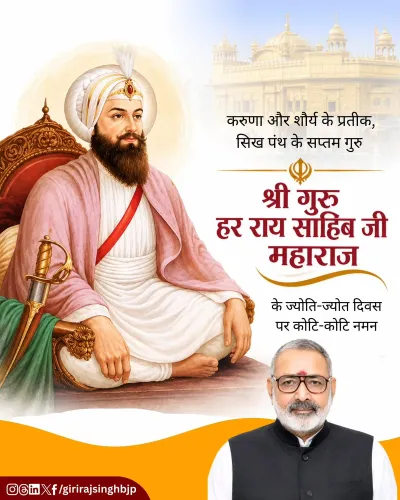
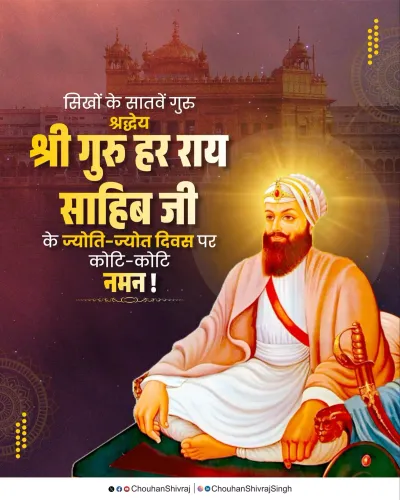
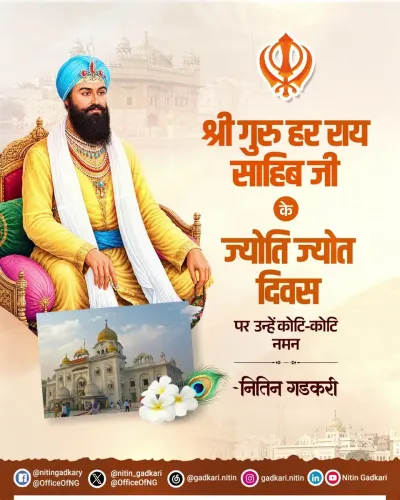
Hardeep Singh Puri paid tribute to Sri Guru Har Rai Sahib Ji on his Jyoti Jyot Diwas on 3 November 2026 .
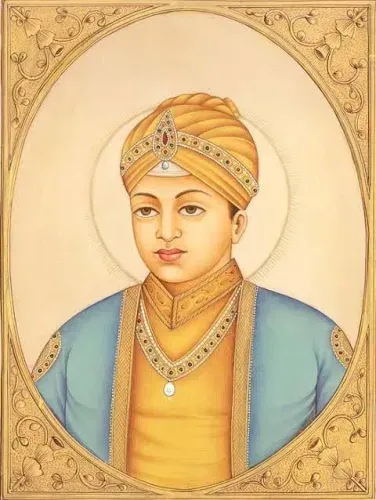
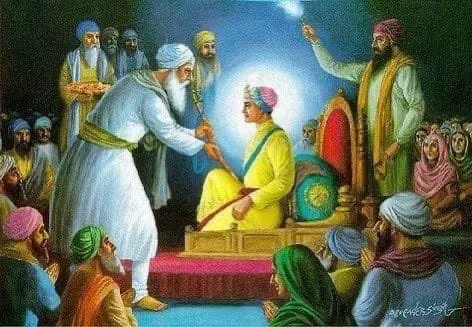
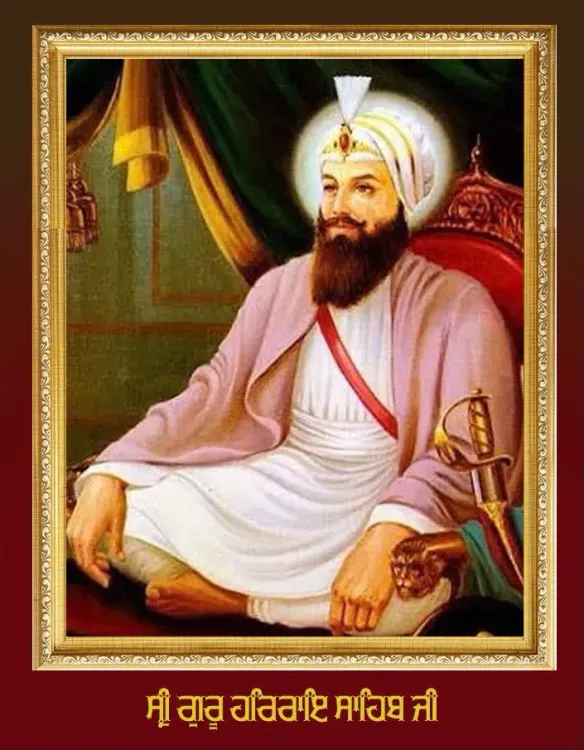
Guru Har Rai Sahib Ji was the seventh Guru of the Sikhs , leading the Panth from 1644 to 1661 .
The Guru is remembered for compassion, healing, and the teaching: 'Garib da munh Guru di golak' — 'The face of the poor is the Guru's treasury.' Puri posted the tribute in both Punjabi and Hindi , addressing the Guru as 'Saptam Nanak' (the seventh Nanak-form).
Marking Sikh Guru anniversaries with public statements is an established practice among Indian political leaders across parties.
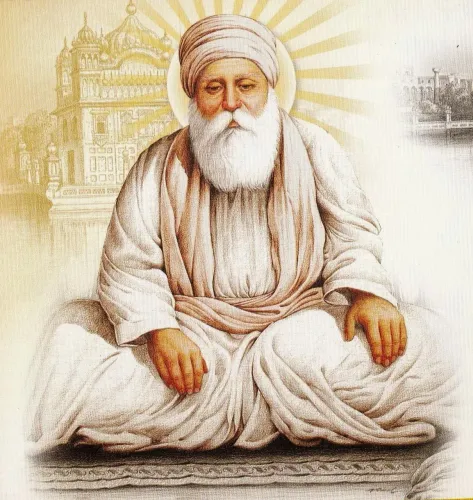
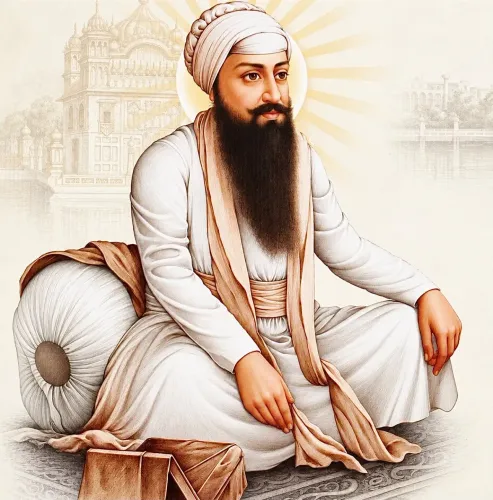
A teaching born four centuries ago — 'Garib da munh Guru di golak' ('The face of the poor is the treasury of the Guru') — resonated once more in the public square on Tuesday, 3 November 2026, as Union Petroleum Minister Hardeep Singh Puri offered his homage to Sri Guru Har Rai Sahib Ji, the seventh Guru of the Sikhs, on the occasion of his Jyoti Jyot Diwas — the day of his passing into eternal light.
Posting in both Punjabi and Hindi on X, Minister Puri wrote: 'Saptam Nanak' — invoking the Guru's place in the line of the ten Nanak-forms — and offered koti koti naman (countless salutations). He described the Guru's teaching as 'inspirational and relevant in every era.'
The Seventh Guru and the compassion he carried
Sri Guru Har Rai Sahib Ji led the Sikh Panth from 1644 to 1661, a period marked by political turbulence in Mughal India. He is revered not for military campaigns but for an unwavering commitment to healing and service — maintaining a large herbal medicine dispensary and extending care to the sick regardless of faith or caste. The teaching that 'the face of the poor is the Guru's treasury' distilled that compassion into a single, enduring phrase: to serve the destitute is an act of worship.
A pattern of public remembrance across the aisle
Minister Puri's tribute fits a well-established tradition in Indian political life. Leaders across parties and governments routinely mark the birth and death anniversaries of all ten Sikh Gurus with public messages — a practice that acknowledges the Sikh community's deep cultural and demographic presence, particularly in Punjab and across the diaspora. The emphasis on seva (selfless service) and social equity in Sikh theology gives these commemorations a reach beyond any single community, connecting to broader national conversations about welfare and dignity.
For Puri — a senior BJP leader and former career diplomat who represents a constituency deeply rooted in Punjabi identity — such observances carry personal as well as political resonance. His bilingual post, moving seamlessly between Punjabi script and Hindi, reflected the dual inheritance many in his milieu carry.
The Jyoti Jyot Diwas of Guru Har Rai Sahib Ji is a moment of solemn reflection for the Sikh Panth worldwide — a reminder that a life measured in service to the most vulnerable leaves the longest light.
Point of View
Reinforcing the Sikh community's centrality to India's pluralistic national identity. For a BJP leader with deep ties to Punjab and the Punjabi diaspora, such commemorations serve both a cultural and a political function — demonstrating inclusive Hindu-Sikh solidarity that the party has long cultivated. The specific teaching cited — that the poor man's face is the Guru's treasury — also dovetails with the ruling dispensation's welfare-centric messaging. Whether such ritual acknowledgements translate into substantive policy for marginalised communities remains the more searching question.
NationPress
3 Nov 2026
Frequently Asked Questions
Who was Sri Guru Har Rai Sahib Ji?
Sri Guru Har Rai Sahib Ji was the seventh Guru of the Sikhs, who held the position from 1644 to 1661. He is revered for his deep compassion, his emphasis on healing and service to the needy, and his teaching that serving the poor is equivalent to an offering to the Guru himself.
What is Jyoti Jyot Diwas?
Jyoti Jyot Diwas ('merging with the eternal light') is the day commemorating the passing of a Sikh Guru. It is observed with prayers, kirtan , and tributes by the Sikh community worldwide and by Indian public figures.
What does 'Garib da munh Guru di golak' mean?
The Punjabi phrase translates as 'The face of the poor is the treasury of the Guru.' It is one of Guru Har Rai Sahib Ji's most cited teachings, conveying that to feed or serve a destitute person is the highest form of devotion.
Why did Hardeep Singh Puri post this tribute?
Union Petroleum Minister Hardeep Singh Puri posted the tribute to mark Guru Har Rai Sahib Ji's Jyoti Jyot Diwas. Issuing public messages on Sikh Guru anniversaries is a routine and established practice among Indian political leaders.
What is the significance of calling Guru Har Rai Sahib 'Saptam Nanak'?
In Sikh theology, each of the ten Gurus is regarded as a manifestation of the same divine light first embodied in Guru Nanak Dev Ji. 'Saptam Nanak' simply means 'the seventh Nanak,' affirming Guru Har Rai Sahib Ji's place as the seventh vessel of that unbroken spiritual succession.