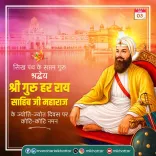
CM Rekha Gupta Greets Sikhs on Guru Har Krishan Gurgaddi Divas
Synopsis
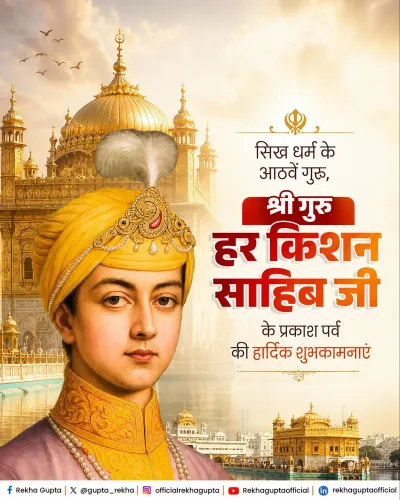
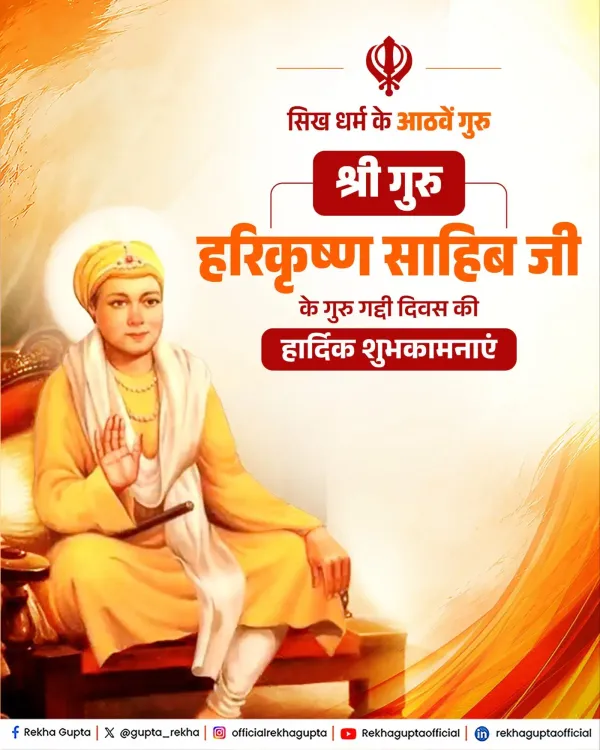
Delhi Chief Minister Rekha Gupta greeted the Sikh community on Guru Har Krishan Sahib Ji's Gurgaddi Divas, calling his life an ideal of service and humility, and highlighting Gurudwara Bangla Sahib as the enduring symbol of his spiritual legacy in Delhi.
Key Takeaways
Delhi CM Rekha Gupta posted greetings on November 3, 2026 marking the Gurgaddi Divas of Guru Har Krishan Sahib Ji , the eighth Sikh Guru.
Guru Har Krishan assumed the Guruship in 1661 at age five — one of the youngest spiritual leaders in history — and died in Delhi in 1664 at age eight .
He is remembered for personally serving smallpox patients in Delhi, reportedly contracting the disease himself in doing so.
Gurudwara Bangla Sahib , a central Delhi landmark, is built on the site associated with the Guru and is known for its continuous community kitchen ( langar ) and sacred sarovar.
CM Gupta described his life as 'an unparalleled ideal of service, humility, and compassion.'
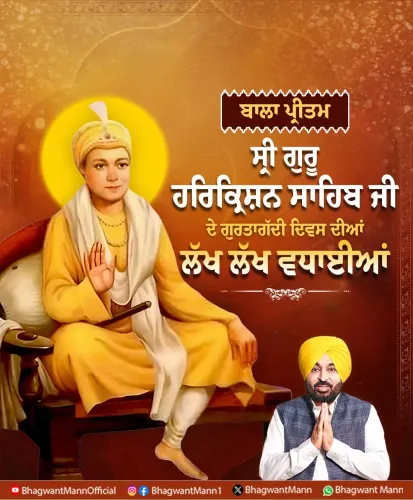
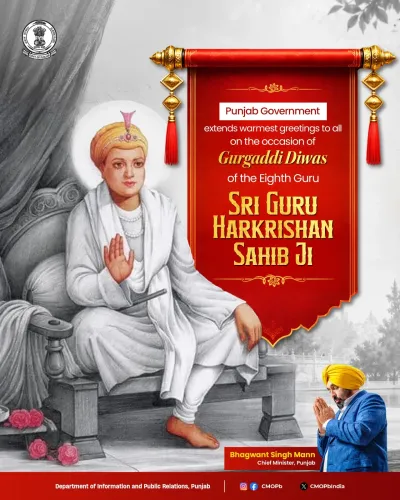
A child who became a Guru at five and spent his brief eight years in selfless service — Delhi Chief Minister Rekha Gupta on Tuesday, November 3 invoked that legacy as she extended warm greetings to the Sikh community on the Gurgaddi Divas of Guru Har Krishan Sahib Ji, the eighth Sikh Guru.
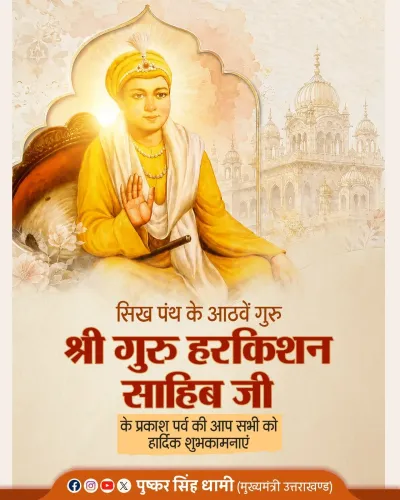
In her post, CM Gupta wrote: 'सिख पंथ के आठवें गुरु, श्री गुरु हरिकृष्ण साहिब जी के पावन गुरुगद्दी दिवस पर समस्त साध संगत को हार्दिक शुभकामनाएं।' — 'Heartfelt greetings to the entire Saad Sangat on the sacred Gurgaddi Divas of the eighth Guru of the Sikh Panth, Sri Guru Har Krishan Sahib Ji.' She described his life as 'an unparalleled ideal of service, humility, and compassion,' taking on the Guruship at an extraordinarily young age.
A Guru Who Served Delhi's Sick — and Stayed
Guru Har Krishan Sahib Ji assumed the Guruship in 1661 at the age of five, making him one of the youngest spiritual leaders in recorded history. He died in 1664 at just eight years old in Delhi, having ministered to patients suffering from a devastating smallpox epidemic — reportedly contracting the disease himself in the course of that service. His death in the capital is not a footnote; it is the foundation on which Delhi's Sikh heritage stands.
Bangla Sahib: Where History and Seva Meet
CM Gupta specifically named Gurudwara Bangla Sahib — the iconic gurdwara in central Delhi — as 'the revered symbol of his great spiritual legacy and selfless service to humanity.' Built on the site where the young Guru stayed during his time in Delhi, Bangla Sahib is among the capital's most visited religious sites, as famous for its continuous langar (community kitchen) as for its gleaming gold-topped dome. The gurdwara's sarovar (sacred pool) is traditionally believed to carry healing properties, a tradition that echoes directly back to the Guru's own acts of healing the sick.
Delhi holds several prominent Sikh shrines tied to the later Gurus, and political leaders in the capital routinely acknowledge major Sikh observances — a reflection of the community's deep-rooted historical and cultural presence in the city. For a sitting Chief Minister, honouring Gurgaddi Divas at Bangla Sahib's symbolic doorstep carries both civic and personal weight.
A Guru who lived only eight years left a mark that endures across centuries — and on a November morning in Delhi, that legacy remains very much alive.
Point of View
Marking Guru Har Krishan's Gurgaddi Divas with a specific reference to Gurudwara Bangla Sahib is a deliberate act of civic acknowledgment — the capital's Sikh heritage is not peripheral but woven into its geography and identity. Invoking the Guru's story of selfless service to Delhi's sick connects a centuries-old spiritual tradition to the contemporary language of governance and seva. Such observances by political leaders reflect how Sikh commemorative days have become an established part of Delhi's public calendar, bridging religious community and state. The tribute also underscores Bangla Sahib's dual role as both a living religious institution and a symbol of the city's pluralist heritage.
NationPress
3 Nov 2026
Frequently Asked Questions
Who is Guru Har Krishan Sahib Ji?
Guru Har Krishan Sahib Ji was the eighth Guru of the Sikh faith. He assumed the Guruship in 1661 at the age of five and passed away in 1664 in Delhi at age eight, after serving smallpox patients in the city.
What is Gurgaddi Divas?
Gurgaddi Divas marks the anniversary of a Sikh Guru's ascension to the Guruship. The day is observed by Sikh communities worldwide with prayers, kirtan, and gatherings at gurdwaras.
What is the significance of Gurudwara Bangla Sahib?
Gurudwara Bangla Sahib in central Delhi is built on the site where Guru Har Krishan Sahib stayed during his time in the capital. It is one of Delhi's most prominent Sikh shrines and is renowned for its continuous community kitchen (langar) and sacred sarovar.
Why did Rekha Gupta post about Guru Har Krishan Gurgaddi Divas?
Delhi Chief Minister Rekha Gupta extended greetings to the Sikh community on this important commemorative day, honouring the eighth Sikh Guru's legacy of service, humility, and compassion and highlighting Gurudwara Bangla Sahib's role as a symbol of that heritage.
Where is Gurudwara Bangla Sahib located?
Gurudwara Bangla Sahib is located in central Delhi, near Connaught Place. It is one of the most visited religious sites in the Indian capital.