IndiGo CEO Willie Walsh: Short-haul focus stays despite A350 expansion
Synopsis
IndiGo's new CEO Willie Walsh has drawn a clear line: wide-body ambitions will not be allowed to erode the narrow-body efficiency that made IndiGo India's dominant carrier. With 14 A321XLRs due by end-2027 and A350-900s arriving from Q2 2028, the airline is building carefully toward long-haul — but Walsh's message at the Aviation India 2026 conference is that the short-haul engine must keep firing at full throttle.
Key Takeaways
IndiGo CEO Willie Walsh reaffirmed short-haul focus at the Aviation India and South Asia 2026 conference on 3 November 2026 .
The airline currently operates 4 A321XLR aircraft; the number is expected to reach 14 by end of 2027 .
Airbus A350-900 wide-body deliveries are slated to begin from Q2 2028 , subject to groundwork being completed.
IndiGo 's fleet stands at over 440 aircraft , with plans to scale to approximately 600 by 2030 .
Walsh succeeded former CEO Pieter Elbers earlier in 2026 , appointed by parent company InterGlobe Aviation .
Walsh called for airport investment discipline to prevent excessive financial burden on carriers and passengers.
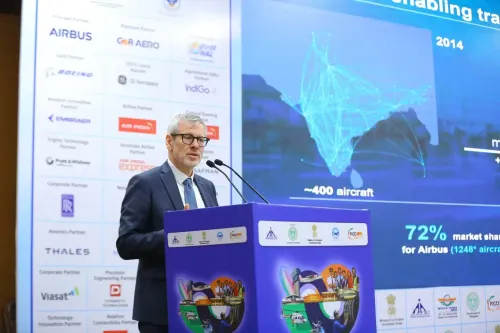
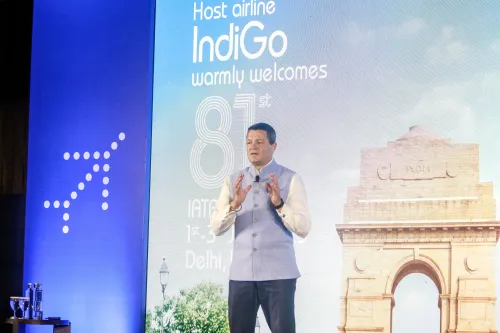
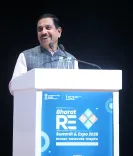
IndiGo will keep its core short-haul business at the centre of its growth strategy even as the airline accelerates its international footprint, Chief Executive Officer Willie Walsh said on Tuesday, 3 November 2026. Walsh made the remarks at the Aviation India and South Asia 2026 conference in New Delhi, outlining a deliberate sequencing of the carrier's long-range ambitions against its established low-cost model.
Fleet Expansion: A321XLR and A350 on the Horizon
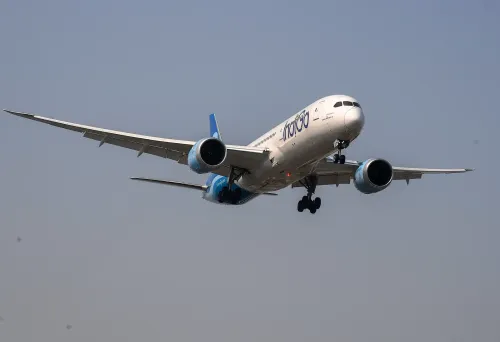
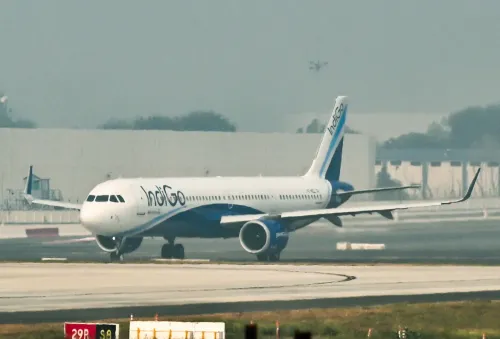
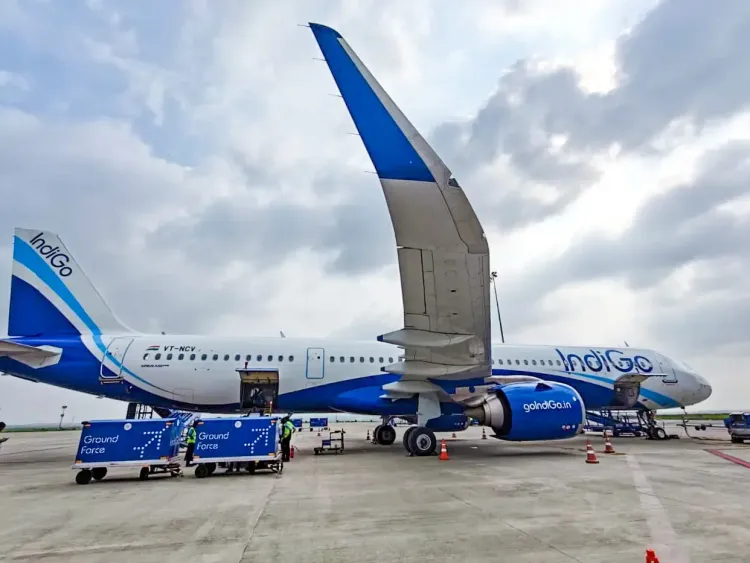
Walsh confirmed that IndiGo currently operates four Airbus A321XLR aircraft and expects to have 14 of the type in service by the end of 2027. Beyond that, the airline is preparing for the induction of Airbus A350-900 wide-body jets, with deliveries expected to begin from the second quarter of 2028. Walsh cautioned, however, that considerable groundwork would need to be completed before services with the new aircraft type could launch.
Walsh's Core Message: Efficiency Cannot Be Compromised
'We must ensure we do not lose focus on the work required to maintain a highly efficient short-haul operation while preparing for future opportunities,' Walsh said. He stressed that IndiGo's cost structure remains one of its primary competitive strengths and will continue to anchor all future growth plans. The carrier's expanding international ambitions, he argued, must not divert management attention from the domestic and regional network that underpins its low-cost model.
Airports Must Stay Disciplined, Walsh Warns
Walsh also called for deeper collaboration between airlines and airport operators, urging airports to exercise discipline in investment decisions. Excessive capital expenditure at airports, he argued, ultimately transfers financial burden onto carriers and passengers — a concern that has grown louder across the industry as terminal upgrades accelerate across India.
IndiGo's Scale and Leadership Context
India's largest airline by market share currently operates a fleet of more than 440 aircraft and has outlined plans to grow that number to around 600 by 2030. Walsh took charge of IndiGo earlier in 2026 after being appointed by parent company InterGlobe Aviation. His appointment followed the departure of former CEO Pieter Elbers, under whom the airline expanded rapidly across both domestic and international markets. The transition in leadership has coincided with a sharpened emphasis on cost discipline as IndiGo prepares to compete on longer routes.
What Comes Next
With additional long-range aircraft joining the fleet over the coming years, IndiGo is expected to gradually widen its global footprint. Analysts will watch closely whether the airline can integrate wide-body operations without inflating its famously lean cost base — the defining challenge of its next growth phase.
Point of View
That model faces structural stress. The A350-900 is a necessary strategic move to contest long-haul routes, but history is littered with low-cost carriers that over-reached into long-haul and lost the plot on their core network. Walsh, who previously led IATA and Aer Lingus, knows this tension intimately. The real question is whether IndiGo can ringfence its narrow-body operation organisationally and financially as it adds an entirely different aircraft type — and whether Indian airport infrastructure can keep pace without pricing the airline's growth model out of viability.
NationPress
3 Nov 2026
Frequently Asked Questions
What did IndiGo CEO Willie Walsh say about the airline's expansion strategy?
Walsh said IndiGo will continue to prioritise its short-haul operations even as it expands internationally, warning that the airline must not lose focus on maintaining an efficient narrow-body network while preparing for long-range growth. He made the remarks at the Aviation India and South Asia 2026 conference in New Delhi on 3 November 2026.
When will IndiGo's Airbus A350-900 aircraft start flying?
IndiGo expects deliveries of the Airbus A350-900 wide-body aircraft to begin from the second quarter of 2028. Walsh noted that significant groundwork would need to be completed before the airline launches services with the new aircraft type.
How many A321XLR aircraft does IndiGo operate?
IndiGo currently operates four A321XLR aircraft as of November 2026 and expects to have 14 of the type in service by the end of 2027. The A321XLR is a long-range narrow-body jet that supports the airline's growing international network.
What is IndiGo's fleet size target by 2030?
IndiGo has outlined plans to expand its current fleet of more than 440 aircraft to around 600 by 2030, covering both narrow-body and, eventually, wide-body types.
Who is Willie Walsh and why is he significant for IndiGo?
Willie Walsh is IndiGo's Chief Executive Officer, appointed by parent company InterGlobe Aviation earlier in 2026. He succeeded Pieter Elbers, under whom IndiGo expanded rapidly, and brings extensive aviation leadership experience including prior roles at Aer Lingus and IATA.