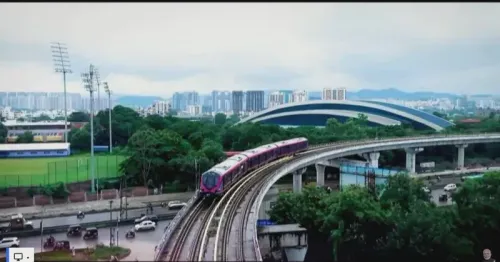
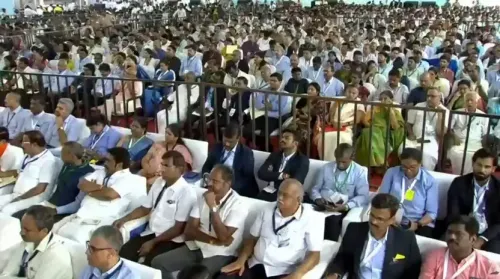
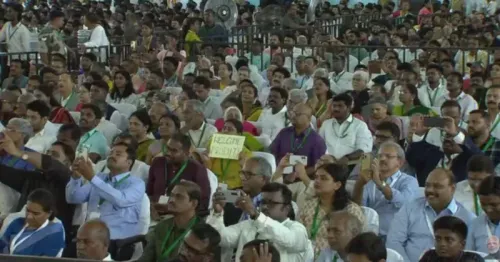
PM Modi Inaugurates Pune Metro Projects, Lays Foundation Stone
Synopsis
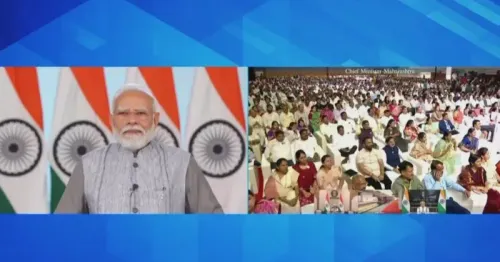
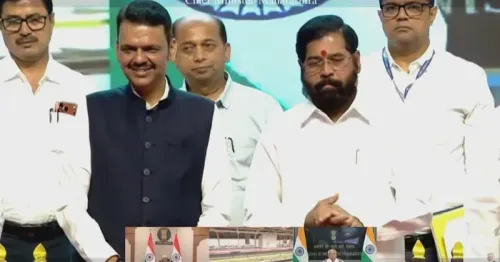
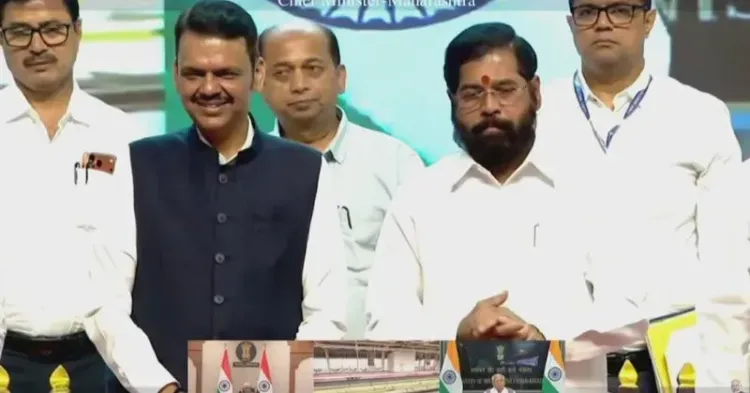
PM Narendra Modi inaugurated and laid the foundation stone of Pune Metro projects on November 3, 2026. Union Minister Manohar Lal Khattar flagged the live event, highlighting the Centre's sustained drive to expand sustainable urban mass transit across India's rapidly growing cities.
Key Takeaways
PM Narendra Modi inaugurated and laid the foundation stone of Pune Metro projects on November 3, 2026 .
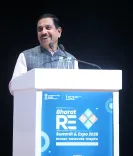
Union Minister Manohar Lal Khattar , who heads the Ministry of Housing and Urban Affairs , shared the live event on X .
Pune Metro Phase 1 received central government sanction in 2018 under the Metro Rail Policy framework.
The projects are part of a broader central push for urban mobility under the Smart Cities Mission and AMRUT .
Key watchpoints include construction timelines, land acquisition progress, and integration with Pune 's existing bus and rail networks.
A milestone moment for one of India's fastest-growing cities: Prime Minister Narendra Modi on Tuesday, November 3, 2026 inaugurated and laid the foundation stone of Pune Metro projects — a move that Union Power Minister Manohar Lal Khattar flagged live, signalling the Centre's continued push to rewire urban India from the ground up.
Pune's Metro Moment, Years in the Making
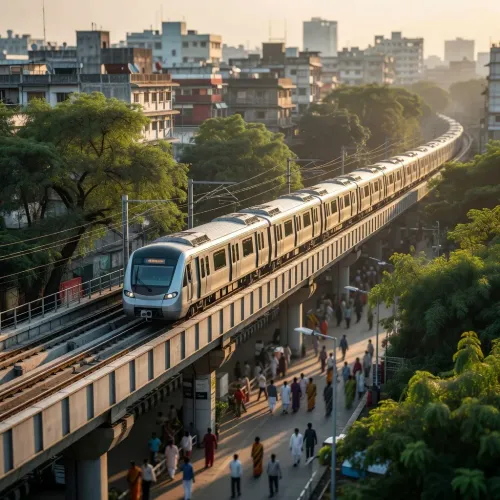
Pune, Maharashtra's technology and education hub, has long groaned under the weight of its own growth. Rapid urbanisation has pushed the city's roads to their limits, and the absence of a robust mass transit backbone has cost commuters hours and the city its air quality. The Pune Metro project — with multiple corridors planned across the city — is designed to change that arithmetic.
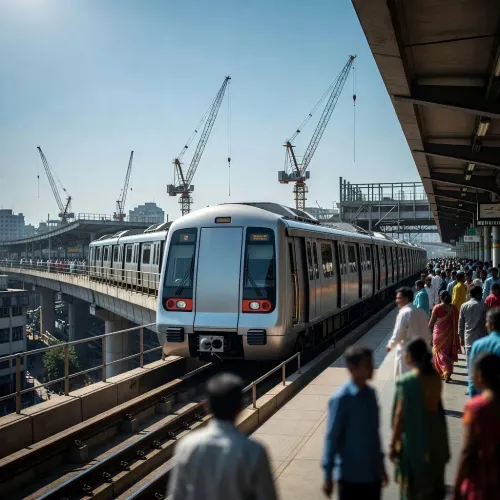
Phase 1 of the Pune Metro received central government sanction in 2018 under the national Metro Rail Policy framework, setting in motion a multi-year exercise in land acquisition, tunnelling, and civic coordination. Today's event, presided over by PM Modi, marks both a completion milestone for existing work and a starting gun for the next phase of expansion.
The Centre's Tier-2 City Transit Push
Pune is not an isolated bet. The central government has greenlit metro projects across multiple tier-2 and tier-3 cities as part of a broader urban mobility strategy anchored by flagship programmes including the Smart Cities Mission and AMRUT (Atal Mission for Rejuvenation and Urban Transformation). The logic is clear: move people off roads, cut congestion, cut emissions, and give fast-growing cities the skeletal infrastructure their population growth demands.
Minister Khattar, who oversees the Ministry of Housing and Urban Affairs alongside Power, has a direct stake in today's event — urban transit investment sits squarely within his ministerial portfolio. His live flagging of the inauguration underlines the political as well as administrative weight the Centre is placing on urban infrastructure delivery.
What Pune Commuters — and Policymakers — Are Watching
The eyes of urban planners now turn to execution. Key variables include construction timelines for new corridors, land acquisition progress on contested stretches, and — critically — how well the metro network ultimately integrates with Pune's existing bus and suburban rail services. A metro that runs in isolation from feeder networks rarely delivers its full ridership potential.
For a city that has spent years in gridlock, today's ceremony is not just a ribbon-cutting. It is a down-payment on a different kind of urban future — one where a Pune commuter can leave the car at home and still get to work on time.
Point of View
PM Modi embeds the BJP's political identity firmly in visible delivery — a metro station under construction is harder to argue with than a policy paper. For Minister Khattar, whose Housing and Urban Affairs mandate makes urban transit central to his brief, amplifying the event positions him as an active executor of that agenda rather than a passive overseer. The deeper policy test, however, lies in last-mile integration: India's metro projects have historically underperformed ridership projections when feeder networks are neglected, making operational follow-through the real measure of today's political moment.
NationPress
3 Nov 2026
Frequently Asked Questions
What did PM Modi inaugurate in Pune on November 3 2026?
PM Narendra Modi inaugurated and laid the foundation stone of Pune Metro projects on November 3, 2026 , marking a significant expansion milestone for the city's urban mass rapid transit network.
What is the Pune Metro project?
The Pune Metro is an urban mass rapid transit system for Pune , Maharashtra, with multiple corridors planned to ease congestion in the rapidly urbanising city. Phase 1 received central government sanction in 2018 under India's Metro Rail Policy.
Why is Manohar Lal Khattar involved in the Pune Metro inauguration?
As Union Minister of Housing and Urban Affairs , Manohar Lal Khattar has direct ministerial responsibility over urban infrastructure and mass transit projects like the Pune Metro , making the event central to his policy portfolio.
Which central government schemes fund the Pune Metro?
The Pune Metro is supported through the national Metro Rail Policy framework and aligns with central urban programmes including the Smart Cities Mission and AMRUT , which together fund sustainable urban mobility across Indian cities.
What challenges does the Pune Metro still face?
Key challenges include construction timelines for new corridors, land acquisition on contested stretches, and integrating the metro with Pune 's existing bus and suburban rail services to maximise commuter uptake.