Puri marks Samvidhan Hatya Diwas, slams 1975 Emergency
Synopsis
On the 51st anniversary of the 1975 Emergency, Union Petroleum Minister Hardeep Singh Puri invoked Samvidhan Hatya Diwas to condemn the 21-month suspension of constitutional rights, citing forced sterilisations, censorship, and imprisonment of political opponents without trial.
Key Takeaways
Union Petroleum Minister Hardeep Singh Puri posted on 25 June 2026 marking Samvidhan Hatya Diwas , the BJP-designated annual commemoration of the 1975 Emergency .
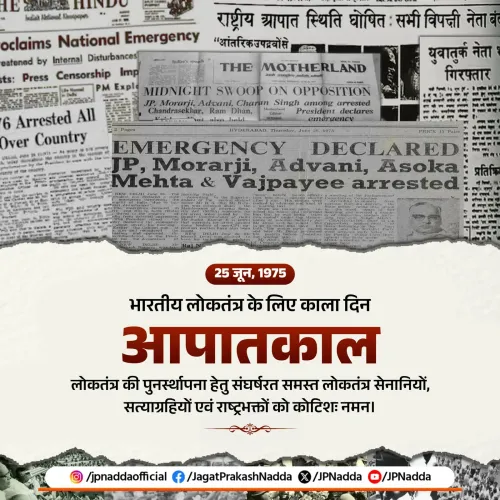
The Emergency was declared on 25 June 1975 under Article 352 by Prime Minister Indira Gandhi and lasted 21 months , ending on 21 March 1977 .
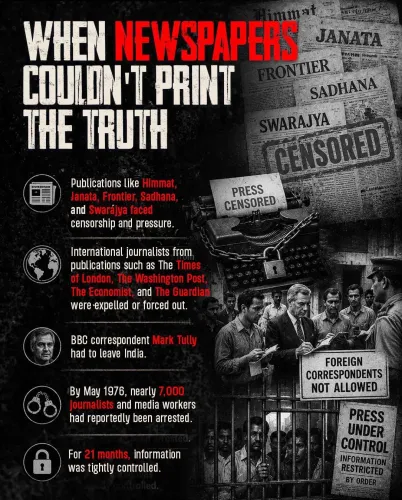
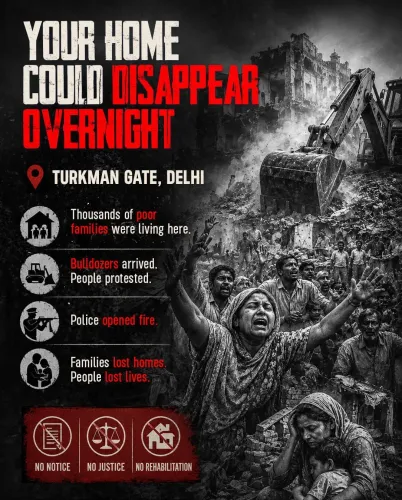
Puri cited forced mass sterilisations, violent slum demolitions, systemic police torture, media censorship, film bans, and imprisonment without trial as hallmarks of the period.
The BJP has observed 25 June as Samvidhan Hatya Diwas every year since 2014 , framing the Emergency as the gravest assault on India's constitutional democracy.
Congress rebuttals and official commemorative events are anticipated through the week as both parties contest the political legacy of the Emergency.
Union Petroleum Minister Hardeep Singh Puri on Thursday, 25 June 2026 invoked Samvidhan Hatya Diwas to condemn the 1975 Emergency as 'one of the darkest assaults on India's democratic values,' marking the 51st anniversary of the proclamation that suspended fundamental rights for 21 months.
Context
Puri's post catalogued the Emergency's abuses in stark terms: 'Dissent became a crime, criticism invited persecution, and the Constitution was treated as an inconvenience rather than a sacred covenant with the people.' He cited forced mass sterilisations, violent slum demolitions, systemic police torture, and an 'airtight censorship blackout' as defining horrors of the period. Journalists and political leaders, he noted, were 'thrown into prisons without trials or charges.'
The National Emergency was declared on 25 June 1975 under Article 352 of the Constitution on grounds of 'internal disturbance' by then Prime Minister Indira Gandhi, following an Allahabad High Court verdict against her election. It remained in force until 21 March 1977.
Policy Backdrop
Since 2014, the BJP has institutionalised the annual commemoration of 25 June as Samvidhan Hatya Diwas — literally 'Constitution Murder Day' — to highlight the Congress-era suspension of civil liberties and judicial independence. The designation frames the Emergency as the single longest assault on constitutional democracy in independent India's history.
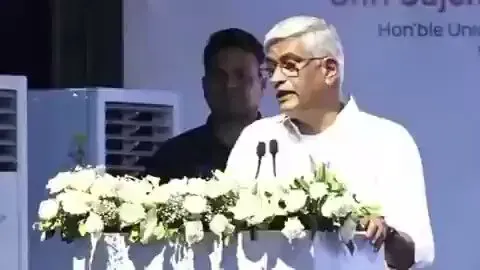
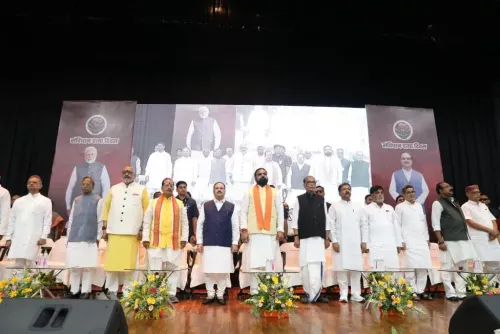
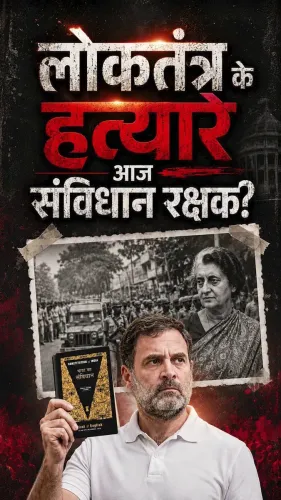
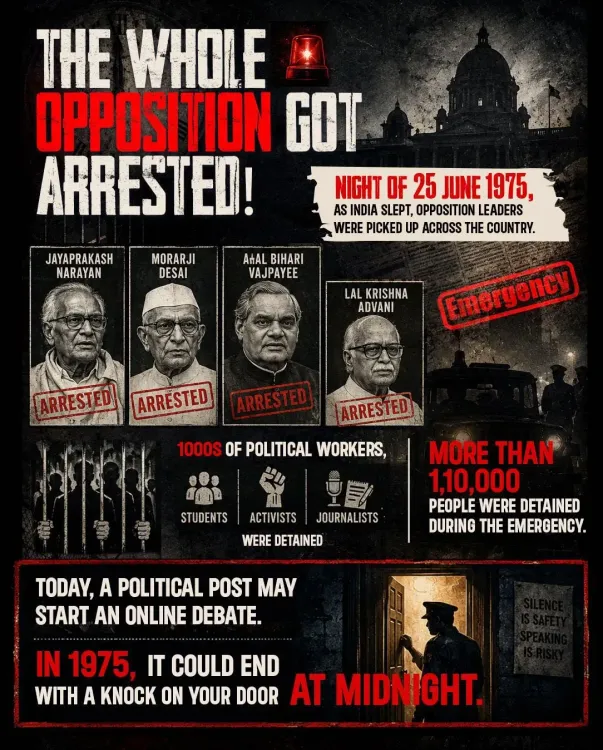
Puri, a senior BJP leader and former career diplomat, has consistently used the anniversary to draw a contrast between that period and what the ruling party describes as post-2014 institutional stability. His post this year was accompanied by four images, amplifying the visual record of the era's repression.
Stakeholders and Impact
The Emergency's victims included political opponents across the spectrum, press organisations subjected to pre-publication censorship, civil society groups, and ordinary citizens caught in the family-planning drives associated with Sanjay Gandhi, Indira Gandhi's son, whose influence shaped some of the period's most coercive programmes. Urban clearance operations, particularly in Delhi, displaced tens of thousands from slum settlements.
The Constitution of India's fundamental rights provisions — the bedrock of individual liberty — were effectively suspended for the duration, with the judiciary's independence curtailed and the media reduced to state-sanctioned messaging. Artists and filmmakers faced bans and harassment, as Puri's post underscored.
What's Next
The Congress party is expected to issue rebuttals contesting the BJP's framing of the anniversary, as it has in previous years. Parliamentary references and official commemorative events may follow through the week. The broader political contest over the Emergency's legacy — who bears responsibility, what lessons it holds for democratic governance — remains a live fault line in Indian politics, with both major parties using the date to mobilise their respective bases ahead of any electoral cycle.
Point of View
Demolitions, censorship — rather than offering only abstract condemnation, the message is calibrated to resonate with younger voters who did not live through the period. The framing of the Constitution as a 'sacred covenant' also serves the party's broader Samvidhan-centric messaging that has intensified since the 2024 election campaign. As the 51st anniversary, this year's commemoration carries no special institutional milestone, but the consistency of the exercise itself has made Samvidhan Hatya Diwas a durable fixture in BJP's political calendar.
NationPress
24 Sept 2026
Frequently Asked Questions
What is Samvidhan Hatya Diwas?
Samvidhan Hatya Diwas, meaning 'Constitution Murder Day,' is observed on 25 June each year to mark the anniversary of the Emergency declared in 1975, which suspended fundamental rights for 21 months. The BJP institutionalised this commemoration to highlight the Congress-era assault on democratic institutions.
When was the 1975 Emergency imposed and who imposed it?
The National Emergency was declared on 25 June 1975 by Prime Minister Indira Gandhi under Article 352 of the Constitution on grounds of 'internal disturbance,' following an Allahabad High Court verdict against her election. It was revoked on 21 March 1977.
What atrocities occurred during the 1975 Emergency?
During the 21-month Emergency, forced mass sterilisations and violent slum demolitions were carried out, often linked to the influence of Sanjay Gandhi. Journalists and political leaders were jailed without trial, media was censored, films were banned, and artists were harassed.
Why does the BJP commemorate 25 June every year?
Since 2014, the BJP has observed 25 June as Samvidhan Hatya Diwas to draw public attention to the Congress party's suspension of civil liberties and judicial independence during the Emergency, contrasting it with what the party describes as post-2014 institutional stability.
What did Hardeep Singh Puri say about the Emergency on 25 June 2026?
Hardeep Singh Puri called the Emergency 'one of the darkest assaults on India's democratic values,' stating that dissent became a crime, the Constitution was treated as an inconvenience, and the machinery of the state was weaponised against its own people through censorship, torture, and mass imprisonment.