Puri Marks Samvidhaan Hatya Diwas on Emergency Anniversary
Synopsis
Union Petroleum Minister Hardeep Singh Puri marked Samvidhaan Hatya Diwas on 25 June 2026, the 51st anniversary of India's 1975 Emergency. The BJP-led government has institutionalised annual observances on this date to highlight the suspension of constitutional order under the Indira Gandhi government and to frame the party as a defender of democratic institutions.
Key Takeaways
Hardeep Singh Puri posted on 25 June 2026 to mark Samvidhaan Hatya Diwas , the annual observance of India's 1975 Emergency.
The 1975 Emergency , declared by Prime Minister Indira Gandhi , suspended fundamental rights and lasted until March 1977 .
The BJP has institutionalised 25 June commemorations since 2014 to highlight what it calls the gravest assault on the Indian Constitution.
The term Samvidhaan Hatya Diwas translates broadly as 'Constitution Murder Day', framing the Emergency as an act against constitutional order.
Senior cabinet ministers participating in the observance signals it remains a priority at the highest levels of the Union government .
Union Petroleum Minister Hardeep Singh Puri on Thursday, 25 June 2026 joined the nationwide observance of Samvidhaan Hatya Diwas, marking the 51st anniversary of the declaration of the internal Emergency of 1975 — widely regarded as one of the darkest chapters in independent India's democratic history.
Context
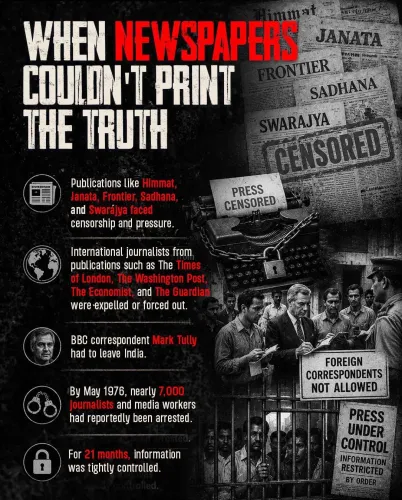
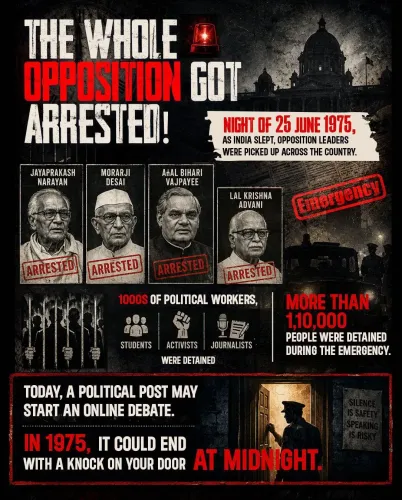
On 25 June 1975, then Prime Minister Indira Gandhi proclaimed a state of internal Emergency across India, suspending fundamental rights, imposing press censorship and ordering the detention of thousands of opposition leaders and civil society figures. The Emergency lasted until March 1977 and remains a defining reference point in debates about constitutional safeguards in India.
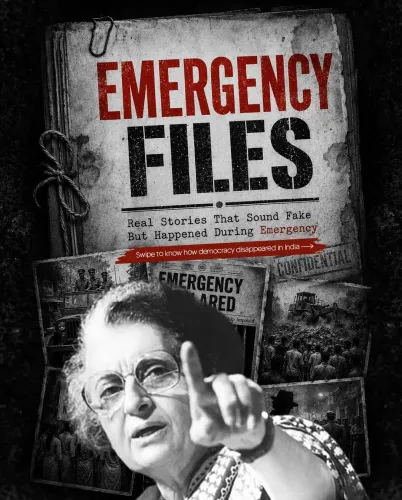
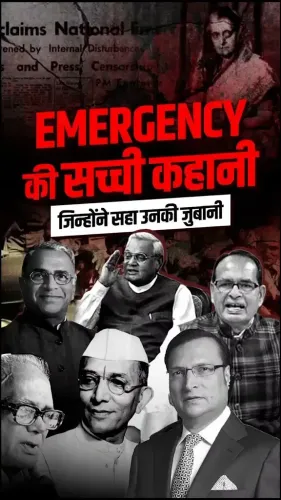
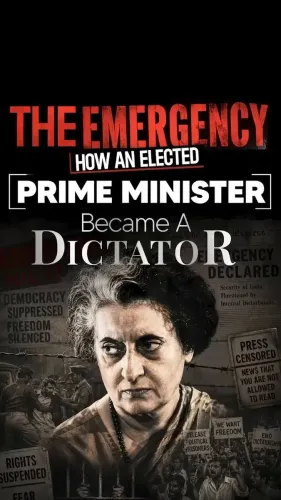
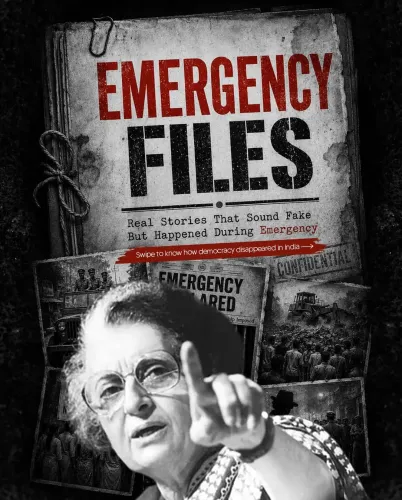
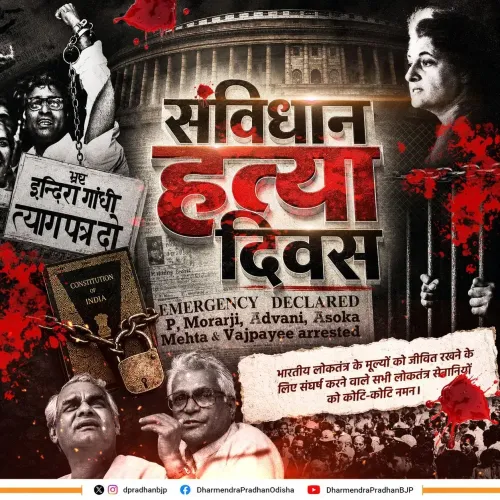
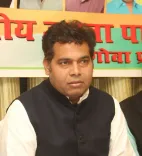
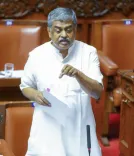
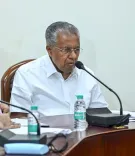
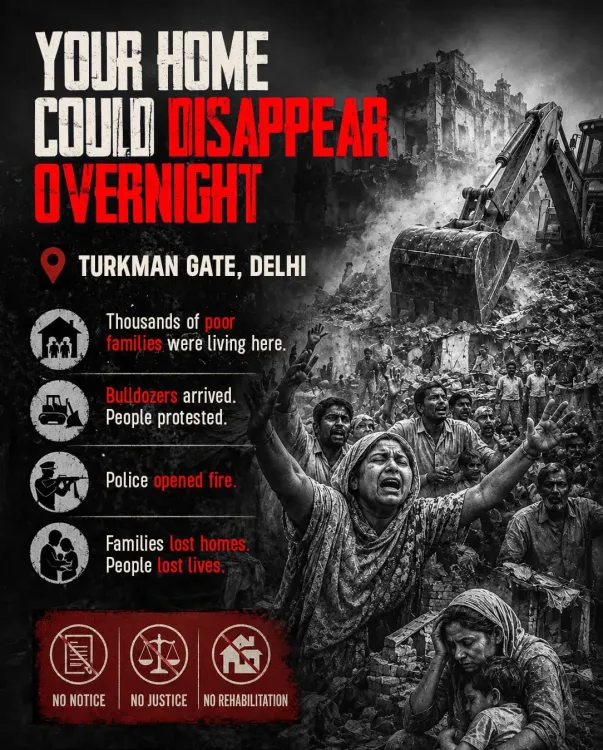
The term Samvidhaan Hatya Diwas — broadly translated as 'Constitution Murder Day' — frames 25 June as a day to mourn and remember the suspension of constitutional order. Puri's post, accompanied by three images, invoked this framing on the anniversary.
Policy Backdrop
The Bharatiya Janata Party (BJP), which has led the government at the Centre since 2014, has institutionalised annual observances on 25 June to highlight what it describes as the gravest assault on the Indian Constitution. Central ministers, party functionaries and state governments aligned with the BJP typically mark the date with public statements, events and social media campaigns.
This annual observance serves a dual purpose: it honours those who resisted the Emergency and frames the Indian National Congress — the party in power during 1975–77 — as historically responsible for undermining democratic institutions. The BJP has used these commemorations consistently to contrast its own governance record with what it characterises as Congress-era authoritarianism.
Stakeholders and Impact
For citizens and civil society, Samvidhaan Hatya Diwas serves as an annual reminder of constitutional fragility and the importance of institutional checks. For political parties, the date carries significant electoral and ideological weight: the BJP uses it to reinforce its identity as a defender of the Constitution, while the Congress has consistently contested this narrative, arguing that the Emergency was a response to specific political circumstances of the time.
Senior cabinet ministers lending their voice to the observance — as Puri has done — amplifies the government's messaging and signals that the commemoration remains a priority at the highest levels of the Union government. As a former career diplomat and senior minister who has held multiple cabinet portfolios, Puri's participation carries institutional weight beyond a routine party statement.
What's Next
The annual cycle of 25 June observances is expected to continue being institutionalised by central ministries, with potential parliamentary references when the legislature is in session. Analysts will also watch whether the government moves toward further formal recognition of the date — for instance, through official gazette notifications or ministry-level commemorative events — in the years ahead. The broader constitutional discourse around Constitution Day on 26 November will also remain a connected reference point.
Point of View
The government elevates the observance from partisan commemoration to quasi-official state memory. This pattern reflects a broader BJP strategy of using constitutional symbolism to define the terms of democratic legitimacy in India. As the 1975 Emergency recedes further into history, the intensity of these annual observances also signals how central the anti-Emergency narrative remains to BJP's core identity and voter outreach.
NationPress
23 Sept 2026
Frequently Asked Questions
What is Samvidhaan Hatya Diwas?
Samvidhaan Hatya Diwas, meaning 'Constitution Murder Day', is observed on 25 June each year to mark the anniversary of the declaration of the internal Emergency in India in 1975 , which suspended fundamental rights and curtailed press freedom for nearly two years.
Why did Hardeep Singh Puri post about Samvidhaan Hatya Diwas?
As a senior BJP leader and Union Minister, Hardeep Singh Puri joined the government's annual observance of Samvidhaan Hatya Diwas on 25 June 2026 , the 51st anniversary of the 1975 Emergency declaration.
When was the Emergency declared in India?
The internal Emergency was declared on 25 June 1975 by Prime Minister Indira Gandhi and remained in force until March 1977 , during which fundamental rights were suspended and opposition leaders were detained.
Why does the BJP observe 25 June every year?
The BJP has institutionalised 25 June as a day to highlight what it describes as the Congress party's assault on the Indian Constitution during the 1975 Emergency, framing itself as a defender of democratic institutions.
What happened during the 1975 Emergency in India?
During the 1975–77 Emergency , the Indian government under Indira Gandhi suspended fundamental rights, imposed press censorship and detained thousands of opposition leaders and activists across the country.