Sonowal Marks Emergency Anniversary as 'Samvidhan Hatya Diwas'
Synopsis
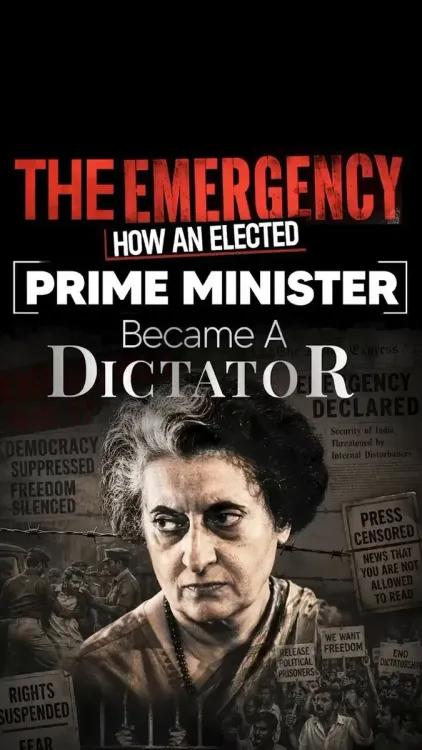
Union Minister Sarbananda Sonowal on 25 June 2026 marked the 51st anniversary of India's 1975 Emergency, calling it 'the darkest chapter' in Indian democracy and saluting those who resisted what he termed a constitutional assault, as part of the BJP's annual Samvidhan Hatya Diwas observance.
Key Takeaways
Union Minister Sarbananda Sonowal posted a tribute on 25 June 2026 marking the 51st anniversary of the 1975 Emergency.
The Emergency was declared by Prime Minister Indira Gandhi on 25 June 1975 and lasted until March 1977 .
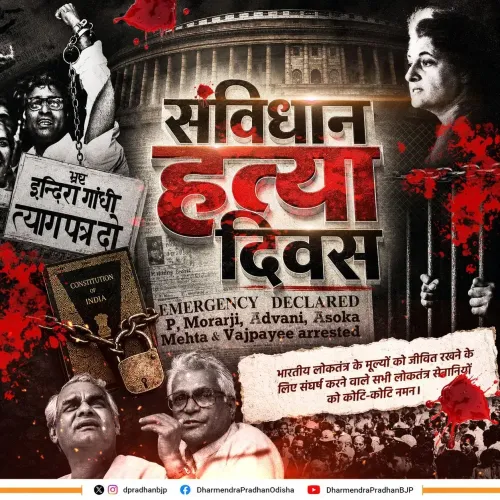
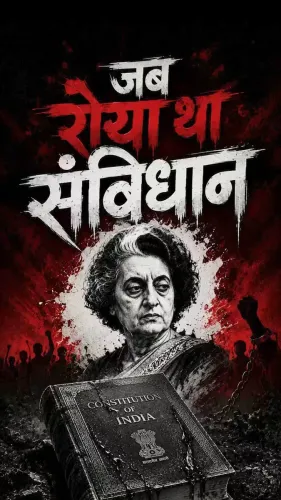
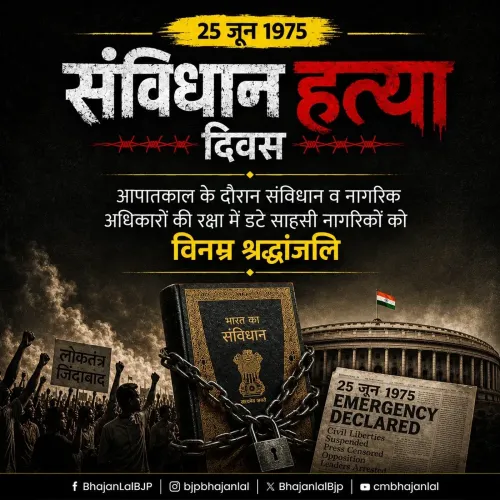
Sonowal described the Emergency as 'a blatant assault on the Constitution that stripped away fundamental rights.' He used the hashtag #SamvidhanHatyaDiwas , a term used in BJP commemorations to frame the Emergency as a constitutional crime.
The annual observance forms part of the BJP's established practice of contrasting the Emergency period with its own governance record.
Similar statements from other senior BJP leaders and potential parliamentary references are expected around this date.
Union Minister of Ports, Shipping and Waterways Sarbananda Sonowal on Thursday, 25 June 2026 marked the 51st anniversary of the 1975 Emergency, calling it 'the darkest chapter in the history of India's democracy' and saluting those who resisted what he described as an assault on the Constitution.
Context
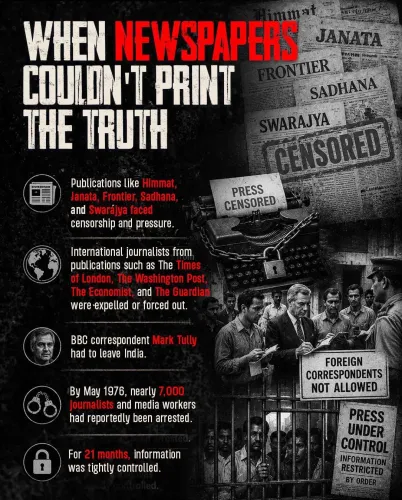
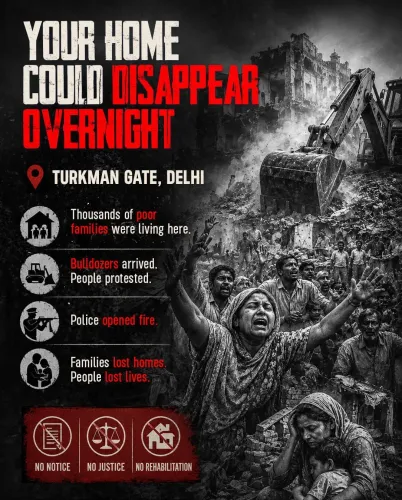
On 25 June 1975, then Prime Minister Indira Gandhi declared a national Emergency on grounds of internal disturbance, suspending fundamental rights across India. The Emergency remained in force until March 1977, when general elections returned a verdict against the ruling Congress and installed the Janata Party government. The period is widely regarded as the most severe curtailment of civil liberties in post-independence India, with press censorship, mass arrests of political opponents, and the suspension of judicial oversight among its defining features.
Sonowal, in his post, said the Emergency was 'a blatant assault on the Constitution that stripped away fundamental rights and silenced the voice of the people,' adding that he saluted 'the courage and sacrifice of all who fought tyranny to protect Bharat's democratic ethos.'
Policy Backdrop
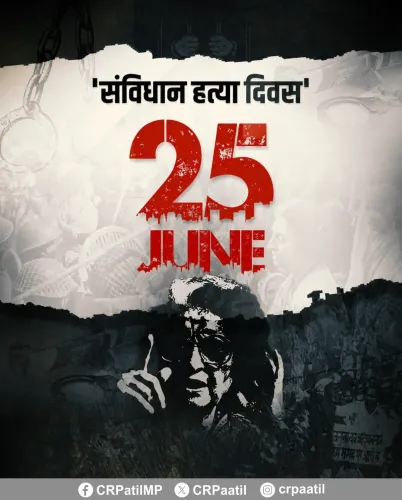
The term Samvidhan Hatya Diwas — translating broadly to 'Constitution Murder Day' — has been used within BJP commemorations to frame the Emergency as a constitutional crime rather than a political misstep. Annual observances on 25 June have become a fixture in the party's political calendar, with senior leaders across the country marking the date through public statements, events, and social media outreach.
The BJP's broader political messaging around the Emergency draws a contrast between what it characterises as historical authoritarian tendencies under the Indian National Congress and its own stated commitment to constitutional governance. Sonowal, a senior party figure and former Chief Minister of Assam, is among the Union Ministers who have consistently participated in this annual remembrance.
Stakeholders and Impact
The Emergency's legacy continues to resonate across India's political spectrum. Opposition figures, journalists, lawyers, and civil liberties activists who were imprisoned or silenced during the period — and their families — remain central to the moral and historical weight the anniversary carries. Commemorations by ruling-party leaders reinforce the political salience of the period for a new generation of voters with no direct memory of it.
For the Congress party, the annual BJP-led remembrance is a source of sustained political pressure, as it keeps the Emergency's association with the Gandhi-Nehru family in public discourse. The framing of 25 June as a day of constitutional mourning rather than mere historical note reflects the degree to which the Emergency has been institutionalised as a partisan reference point.
What's Next
Similar commemorative statements and events from other BJP leaders, Union Ministers, and Chief Ministers are expected throughout the day. Parliamentary sessions in the coming weeks may also see references to constitutional values and the Emergency legacy, as the anniversary traditionally prompts floor speeches and political exchanges. Whether opposition parties choose to respond publicly — or contest the framing of Samvidhan Hatya Diwas — will shape the political conversation around the anniversary in the days ahead.
Point of View
Particularly potent because it directly implicates the Congress party's foundational leadership. By invoking Samvidhan Hatya Diwas, the party elevates the anniversary from historical remembrance to constitutional indictment, a framing that gains traction each year as it is amplified by multiple senior voices simultaneously. For a minister of Sonowal's stature — a former Chief Minister and prominent face of the BJP in the Northeast — participation signals that the commemorative exercise is treated as a formal party obligation, not merely an individual act of remembrance. The long-term political calculus is clear: so long as the Emergency remains in public memory as a Congress-era transgression, it functions as a durable counter-narrative to any opposition critique of the current government's democratic credentials.
NationPress
23 Sept 2026
Frequently Asked Questions
What is Samvidhan Hatya Diwas?
Samvidhan Hatya Diwas, meaning roughly 'Constitution Murder Day,' is a term used by the BJP to mark 25 June as the anniversary of the 1975 Emergency imposed by Prime Minister Indira Gandhi, framing the event as an attack on India's constitutional order.
What happened on 25 June 1975 in India?
On 25 June 1975, Prime Minister Indira Gandhi declared a national Emergency, suspending fundamental rights and imposing press censorship. The Emergency lasted until March 1977 and is widely regarded as the darkest period for civil liberties in post-independence India.
Who is Sarbananda Sonowal?
Sarbananda Sonowal is the Union Minister of Ports, Shipping and Waterways and a senior BJP leader. He previously served as Chief Minister of Assam and is one of the party's prominent faces in northeast India.
Why does the BJP commemorate the 1975 Emergency every year?
The BJP marks the Emergency anniversary annually to highlight what it characterises as authoritarian tendencies under the Congress party's leadership, contrasting that period with its own stated commitment to constitutional and democratic governance.
How long did the 1975 Emergency last?
The Emergency declared on 25 June 1975 remained in force until March 1977, when general elections resulted in a defeat for the ruling Congress and the installation of the Janata Party government.