Emergency 1975: Kishan Reddy calls June 25 darkest blot on India's history
Synopsis
Fifty years on, the BJP's Samvidhan Hatya Diwas observance brought fresh detail to Emergency-era excesses — from Kishore Kumar's songs being pulled off air to a CID task force hunting a judge's verdict. For the BJP, June 25 is less a history lesson and more a live political weapon.
Key Takeaways
Kishan Reddy called June 25, 1975 one of the darkest blots on independent India's history, marking the Emergency anniversary.
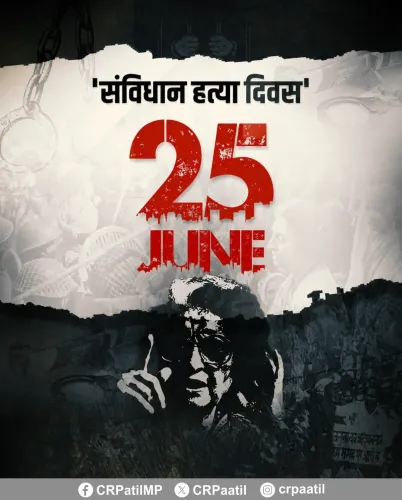
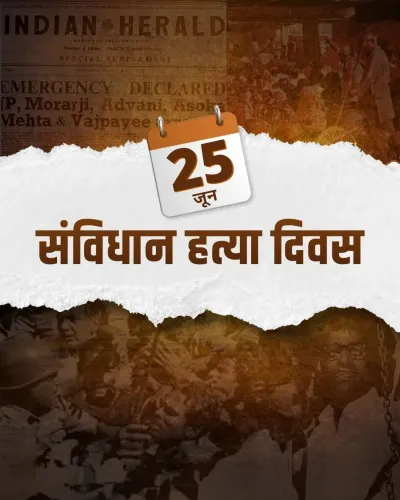
The BJP observed the day as 'Samvidhan Hatya Diwas' (Constitution Murder Day) across the country.
Union MoS Home Bandi Sanjay Kumar alleged the Congress orchestrated an 'undeclared dictatorship' that trampled civil rights and press freedom.
Telangana BJP President N.
Ramchander Rao recalled the forced sterilisation campaign, where officials in Uttar Pradesh were given quotas and teachers threatened with salary cuts.
Singer Kishore Kumar had all his songs removed from the airwaves for refusing to perform at a Youth Congress event linked to Sanjay Gandhi's sterilisation programme.
Justice Jagmohan Sinha , who disqualified Indira Gandhi, reportedly went into hiding for ten days under pressure while writing his verdict.
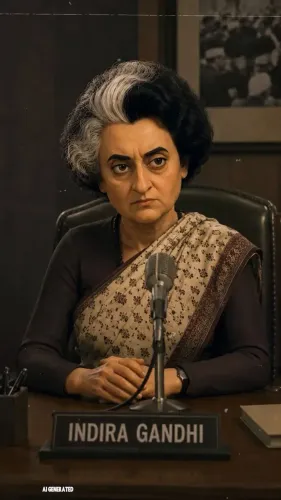
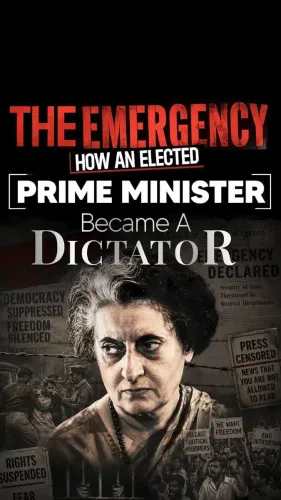
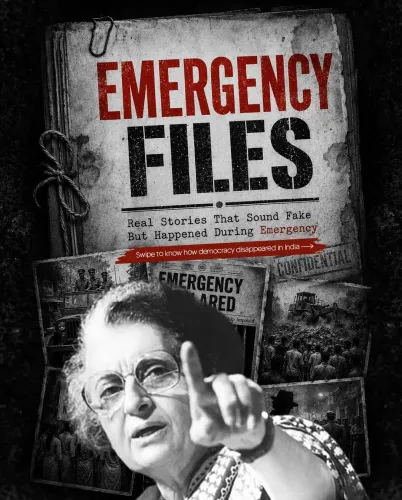
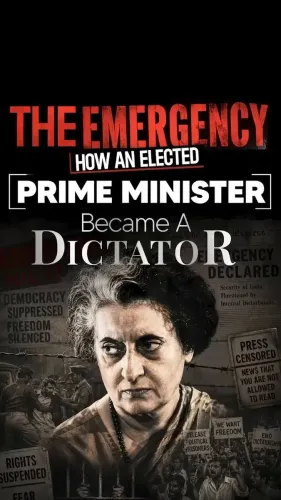
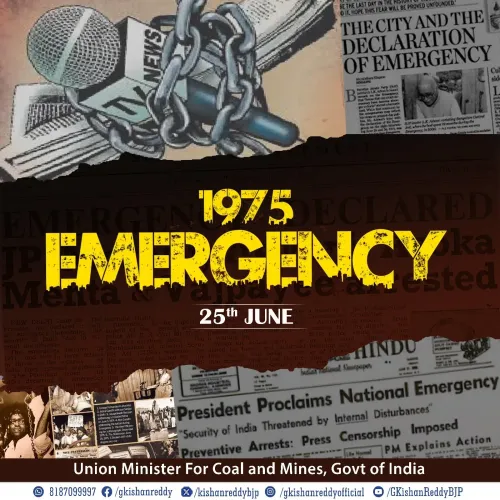
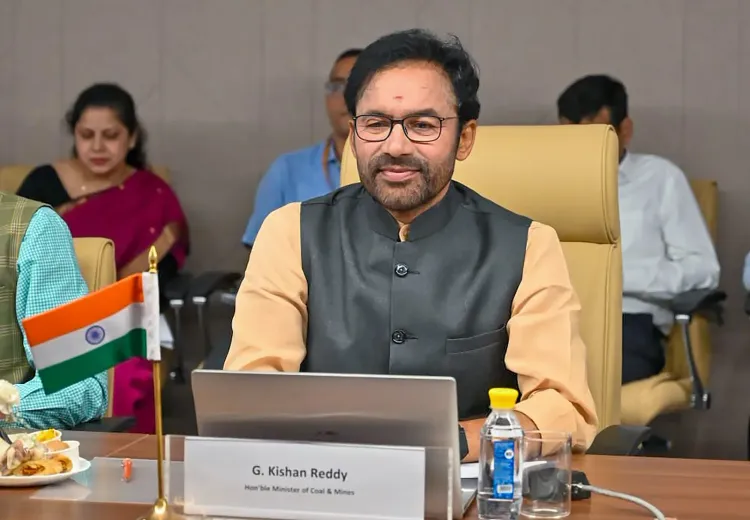
Union Minister for Coal and Mines G. Kishan Reddy on 25 June described June 25, 1975 — the day the Emergency was imposed — as one of the darkest blots on independent India's history, marking the occasion as the Bharatiya Janata Party (BJP) observed it nationally as 'Samvidhan Hatya Diwas' (Constitution Murder Day). Speaking through a post on X, Reddy said the Emergency suspended fundamental rights, silenced free speech, censored the press, and resulted in political opponents, journalists, and activists being jailed without trial.
Kishan Reddy's Tribute to Democracy's Defenders
Paying homage to those who resisted authoritarianism during the 21-month Emergency, Reddy said: 'As we observe Samvidhan Hatya Diwas, we pay tribute to all those who courageously resisted authoritarianism and stood steadfast in defence of democracy and the Constitution. Their sacrifices ensured that the democratic spirit of India endured even in the face of unprecedented challenges.'
He further called on citizens to 'reaffirm our unwavering commitment to protecting constitutional values, strengthening democratic institutions, and safeguarding the freedoms that are the foundation of our Republic.'
Bandi Sanjay Kumar: 'Undeclared Dictatorship'
Union Minister of State for Home Affairs Bandi Sanjay Kumar also weighed in sharply, alleging that the Indian National Congress (INC) orchestrated a subversion of the Constitution driven by a thirst for power. 'An undeclared dictatorship that trampled upon civil rights and shackled voices of dissent... A ruthless regime that clamped down heavily on press freedom... The Emergency imposed by the Congress — an act that held the soul of Mother India captive and made a mockery of democracy,' he said.
Kumar called for honouring the sacrifices of those who defended democracy and urged renewed commitment to protecting the Constitution.
Forced Sterilisation and Press Censorship: What Telangana BJP Recalled
Telangana BJP President N. Ramchander Rao recalled specific excesses of the Emergency era, posting on X that the forced sterilisation campaign saw government officials assigned quotas. In states like Uttar Pradesh, he noted, schoolteachers were reportedly threatened with salary cuts unless they 'motivated' a certain number of people to undergo sterilisation.
Rao also recalled that popular singer Kishore Kumar, whose songs topped the charts in the 1970s, had all his songs pulled from the airwaves after he refused to perform at Geeton Bhari Shaam — a musical event organised by the Youth Congress to raise funds for Sanjay Gandhi's sterilisation programme.
Judiciary Under Pressure: The Justice Jagmohan Sinha Episode
Rao further recalled that Justice Jagmohan Sinha, who authored the judgment disqualifying then Prime Minister Indira Gandhi from the Prime Ministership, was allegedly hounded by a Congress MP from Prayagraj and was forced to go into hiding for ten days just to write his verdict. According to Rao, a special CID task force reportedly hunted for Justice Sinha's judgment and threatened his secretary late at night. 'This is how the Congress used to pressurise institutions and today it shamelessly talks about Constitution,' he said.
The BJP's nationwide observance of Samvidhan Hatya Diwas signals a continued effort to frame the Emergency legacy as a defining accountability issue ahead of future electoral cycles.
Point of View
A judge in hiding, teachers coerced into sterilisation quotas. These specifics are harder to dismiss than broad condemnation. The Congress, meanwhile, has yet to offer a substantive historical reckoning with the Emergency — leaving the BJP in near-exclusive ownership of that narrative. Whether voters in 2029 will weight a 1975 event as heavily as the BJP hopes remains the open question.
NationPress
24 Sept 2026
Frequently Asked Questions
What is Samvidhan Hatya Diwas?
Samvidhan Hatya Diwas, meaning 'Constitution Murder Day', is an observance by the BJP held on June 25 each year to mark the anniversary of the Emergency imposed in 1975 by then Prime Minister Indira Gandhi. The BJP uses the occasion to highlight what it describes as the Congress party's assault on democratic institutions and constitutional rights during the 21-month Emergency period.
What was the Emergency of 1975?
The Emergency was a 21-month period beginning June 25, 1975, during which Prime Minister Indira Gandhi suspended fundamental rights, censored the press, and imprisoned political opponents, journalists, and activists without trial. It is widely regarded as one of the most controversial episodes in independent India's democratic history.
What did G. Kishan Reddy say about the Emergency?
Union Minister G. Kishan Reddy called June 25, 1975 one of the darkest blots on independent India's history. In a post on X, he paid tribute to those who resisted authoritarianism and called for reaffirming commitment to constitutional values and democratic institutions.
What were the forced sterilisation allegations recalled on Emergency anniversary?
Telangana BJP President N. Ramchander Rao recalled that during the Emergency, government officials were given sterilisation quotas. In Uttar Pradesh, schoolteachers were reportedly threatened with salary cuts unless they persuaded a set number of people to undergo sterilisation — one of the most contested human rights aspects of the Emergency era.
Why was Kishore Kumar's music banned during the Emergency?
According to N. Ramchander Rao, singer Kishore Kumar had all his songs removed from the airwaves after he refused to perform at Geeton Bhari Shaam, a Youth Congress event organised to raise funds for Sanjay Gandhi's sterilisation programme. The episode is cited as an example of cultural censorship during the Emergency.