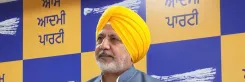
Kishan Reddy marks Samvidhan Hatya Diwas, recalls Emergency
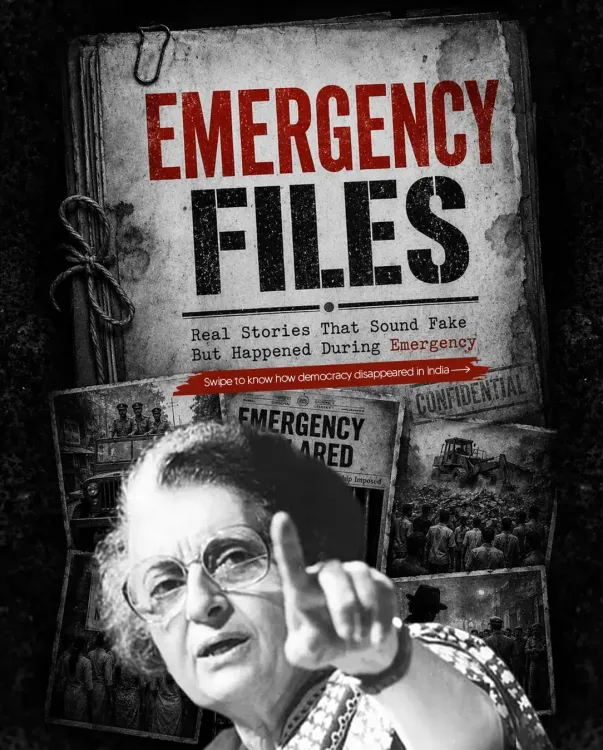
Synopsis
On 25 June 2026, Union Minister G. Kishan Reddy observed Samvidhan Hatya Diwas, reflecting on the 1975 Emergency and honouring those who defended democratic institutions during India's most challenging constitutional crisis. The day was formalised as a national observance by the Union government in June 2024.
Key Takeaways
Union Coal and Mines Minister G.
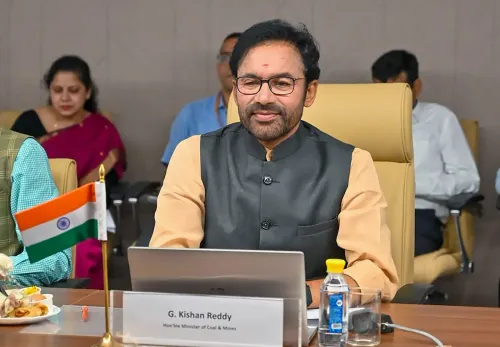
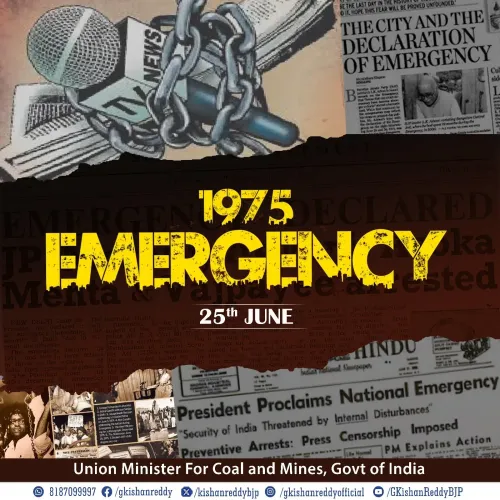
Kishan Reddy posted on 25 June 2026 to mark Samvidhan Hatya Diwas .
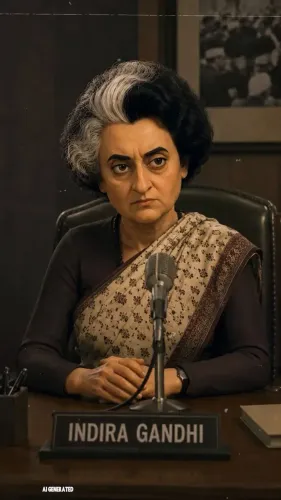
The day commemorates the imposition of the Emergency on 25 June 1975 by then Prime Minister Indira Gandhi , which lasted 21 months .
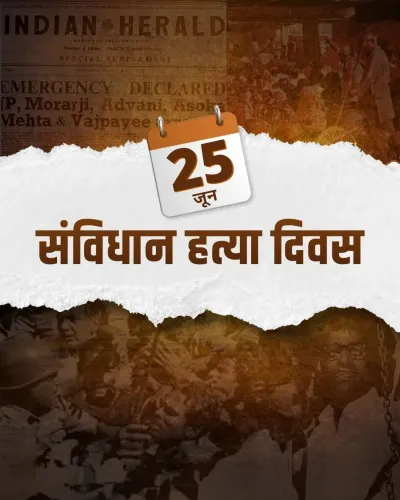
The Union government formally declared 25 June as Samvidhan Hatya Diwas in June 2024 , directing ministries and states to hold official programmes.
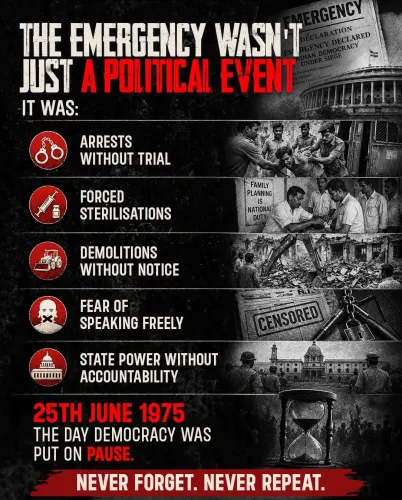
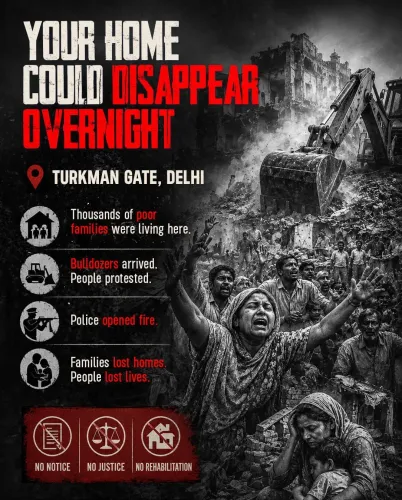
The Emergency suspended civil liberties, imposed press censorship, and saw mass arrests of opposition figures; socialist leader Jayaprakash Narayan led resistance to it.
The observance is part of a broader pattern of government-institutionalised historical commemorations aimed at shaping public memory around democratic milestones.
Whether the day evolves into a statutory holiday or remains an executive observance will be a key marker to watch in coming parliamentary sessions.
Union Coal and Mines Minister and BJP Telangana president G. Kishan Reddy on Thursday, 25 June 2026 observed Samvidhan Hatya Diwas, invoking the lessons of the 1975 Emergency and calling on citizens to reflect on the courage of those who resisted one of the gravest threats to Indian democracy.
Context
In his post, Kishan Reddy wrote: 'Some chapters of history serve as a reminder of why freedom, accountability and democratic institutions must always be protected.' He urged reflection on 'the events of the Emergency and the courage of those who stood firm in defence of democratic values during one of the most challenging periods in independent India.'
Samvidhan Hatya Diwas is observed every year on 25 June — the anniversary of the night in 1975 when then Prime Minister Indira Gandhi advised the President to declare a state of internal Emergency, suspending civil liberties, imposing press censorship, and ordering mass arrests of opposition leaders. The period lasted 21 months, from June 1975 to March 1977, and is widely regarded as the most serious rupture in India's democratic history since independence.
Policy Backdrop
In June 2024, the Union government formally declared 25 June as Samvidhan Hatya Diwas, directing central ministries and state governments to organise official programmes recalling the Emergency. The declaration institutionalised what had until then been a party-level commemoration, giving it the weight of a government-sanctioned observance.
The move is consistent with a broader pattern of historical commemorations — including Quit India Day and Partition Horrors Remembrance Day — that have been formalised since 2014 to anchor specific episodes of democratic struggle and failure in public memory. The Emergency holds particular salience in this framework: the Allahabad High Court verdict against Indira Gandhi that preceded the declaration, and the subsequent crackdown on press freedom and political opposition, are consistently cited as a cautionary benchmark.
Stakeholders and Impact
The annual observance resonates most sharply with those who lived through the Emergency — opposition politicians who were imprisoned, journalists whose publications were shuttered, and civil liberties advocates who documented the period's abuses. The figure of Jayaprakash Narayan, the socialist leader whose call for 'total revolution' and peaceful resistance came to symbolise the anti-Emergency movement, is invariably invoked during commemorations.
Opposition parties, particularly the Indian National Congress, have consistently pushed back against the framing of the day, arguing that the BJP-led government uses the commemoration to score political points rather than engage in genuine constitutional reflection. Civil liberties groups, meanwhile, have used the occasion to draw attention to contemporary concerns around press freedom and institutional accountability.
What's Next
Parliamentary references during the upcoming Monsoon Session and state-level programmes will be watched to gauge whether the observance gains further institutional weight — including whether it moves toward becoming a statutory holiday or remains an executive commemoration. Kishan Reddy's post, framed in the language of universal democratic values rather than partisan attack, signals the BJP's continued effort to position constitutional protection as a core electoral and governance theme heading into the next cycle of state elections.
Point of View
Framing the Emergency as a universal lesson about institutional vigilance rather than a partisan charge. This measured tone suggests a deliberate effort to broaden the commemoration's moral authority beyond BJP's core base. The formalisation of Samvidhan Hatya Diwas in 2024 was itself a significant political act, converting a party narrative into state memory — and ministers amplifying it annually consolidates that shift. The real test of the observance's staying power will come when it faces scrutiny in Parliament from the very opposition it implicitly indicts.
NationPress
23 Sept 2026
Frequently Asked Questions
What is Samvidhan Hatya Diwas?
Samvidhan Hatya Diwas is observed on 25 June each year to mark the imposition of the Emergency in 1975 and to honour those who resisted it. The Union government formally declared it a national observance in June 2024.
Why is 25 June observed as Samvidhan Hatya Diwas?
25 June is the anniversary of the night in 1975 when Prime Minister Indira Gandhi advised the President to declare a state of internal Emergency, suspending civil liberties and ordering mass arrests of opposition leaders.
What did G. Kishan Reddy say on Samvidhan Hatya Diwas 2026?
Kishan Reddy said that 'some chapters of history serve as a reminder of why freedom, accountability and democratic institutions must always be protected,' and called for reflection on those who showed courage during the Emergency.
Who led the resistance against the 1975 Emergency?
Socialist leader Jayaprakash Narayan spearheaded the anti-Emergency movement, calling for peaceful resistance and a 'total revolution' that came to symbolise opposition to authoritarian rule during the period.
When did the 1975 Emergency end?
The Emergency, declared on 25 June 1975, lasted 21 months and ended in March 1977 after general elections were called and the Janata Party coalition came to power.