Emergency 1975 was assault on Constitution: PM Modi on 51st anniversary
Synopsis
On the 51st anniversary of the 1975 Emergency, PM Modi took to X to call it a direct assault on the Constitution — invoking ‘Samvidhan Hatya Diwas’ and paying tribute to those who resisted. With India’s democratic debates far from settled, the anniversary is as politically charged as ever.
Key Takeaways
PM Narendra Modi paid tribute on 25 June 2025 to those who resisted the Emergency of 1975 on its 51st anniversary .
Modi called the Emergency a ‘direct assault on the Constitution,’ citing suspension of civil liberties, curbs on press freedom, and arrests of leaders and journalists.
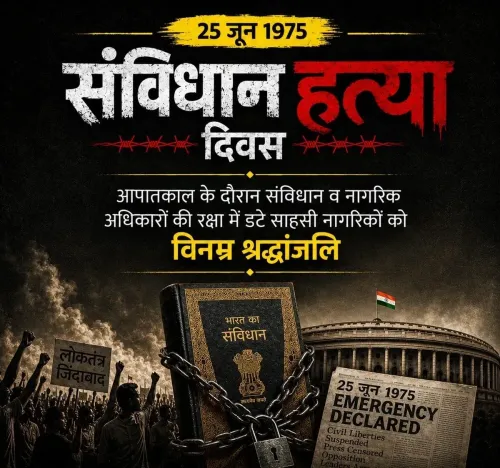
The Prime Minister referred to 25 June as ‘Samvidhan Hatya Diwas’ in a separate post on X .
The Emergency was imposed on 25 June 1975 by then-PM Indira Gandhi under Article 352 and lasted until 21 March 1977 .
Modi reaffirmed India’s commitment to ‘justice, liberty, equality and fraternity’ as enshrined in the Constitution.
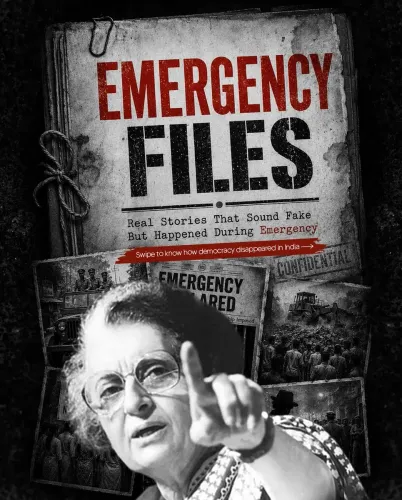
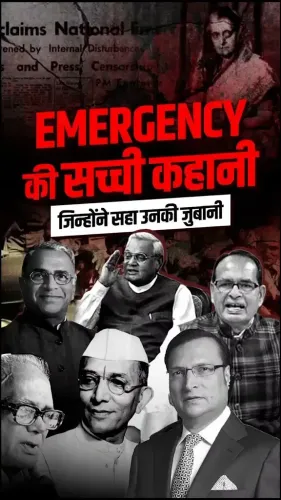
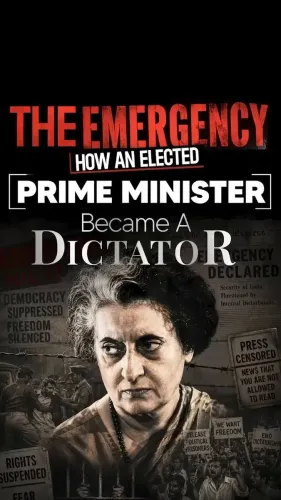
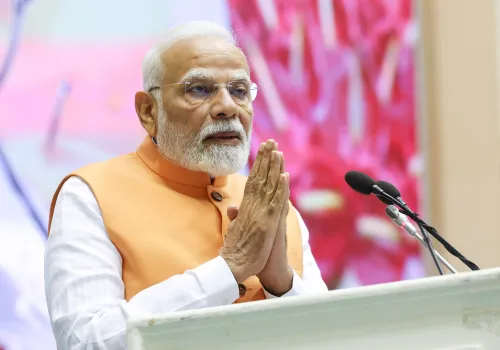
Prime Minister Narendra Modi on 25 June 2025 paid tribute to all those who resisted the Emergency of 1975, calling it a direct assault on India’s Constitution and democratic institutions, on the occasion of its 51st anniversary. Modi described the period as one of the darkest chapters in independent India’s history and reaffirmed the nation’s commitment to constitutional values.
What PM Modi Said
Posting on social media platform X, the Prime Minister said, “Today, we pay homage to all those who steadfastly defended democratic values during one of the darkest chapters in India’s history, the Emergency.”
Modi characterised the Emergency as an era that saw the “suspension of civil liberties, curbs on freedom of expression, arrests of political leaders, journalists, social workers and an assault on institutions that are the bedrock of our democracy.” He also praised the resilience of ordinary citizens who refused to stay silent. “It also revealed the extraordinary courage of countless citizens who refused to remain silent and upheld the ideals enshrined in our Constitution,” he said.
Samvidhan Hatya Diwas
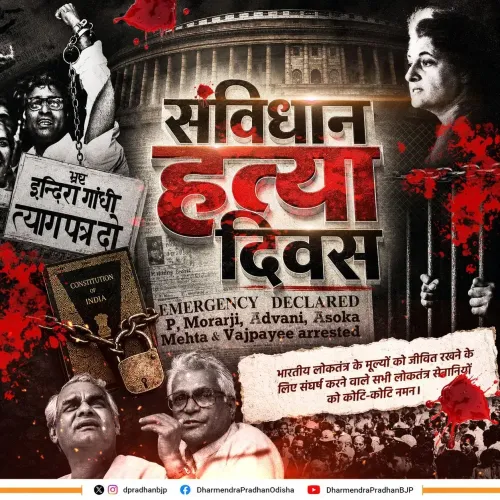
In a separate post, Modi referred to 25 June as ‘Samvidhan Hatya Diwas’ — a designation the current government uses to mark the anniversary. “‘Samvidhan Hatya Diwas’ reminds us today of that dark era when Indian democracy was brutally trampled upon. It inspires us to remain steadfastly committed to safeguarding democracy, the Constitution, and civil rights,” he wrote, offering “respectful tributes to all the eminent figures who opposed the Emergency.”
Historical Background
The Emergency was proclaimed on 25 June 1975 when then-President Fakhruddin Ali Ahmed issued a proclamation under Article 352 of the Constitution, citing ‘internal disturbance’ — a move linked to the political movement led by Jayaprakash Narayan. Then-Prime Minister Indira Gandhi implemented the Emergency, which remained in force until 21 March 1977, a span of nearly 21 months widely regarded as the most severe curtailment of civil freedoms in post-independence India.
Broader Significance
Modi’s tribute this year comes as the 51st anniversary marks a symbolic milestone. This comes amid ongoing political debates about constitutional safeguards and institutional independence. Notably, the ruling Bharatiya Janata Party (BJP) has consistently used the Emergency anniversary to draw a contrast with the Indian National Congress (INC), under whose government the Emergency was imposed. The Prime Minister’s message underscored the Constitution as “an embodiment of the aspirations, rights and duties of 140 crore Indians.”
As India marks this sombre anniversary, the political discourse around democratic accountability and institutional resilience is expected to intensify in the days ahead.
Point of View
But it also raises a fair question: does invoking 1975 serve democratic vigilance, or does it substitute for it? What mainstream coverage often misses is that the Emergency’s institutional lessons — about judicial independence, press freedom, and the limits of executive power — are not the exclusive inheritance of any one party. A truly accountable tribute to those who resisted would measure today’s institutions by the same standards Modi applies to 1975.
NationPress
24 Sept 2026
Frequently Asked Questions
What did PM Modi say on the 51st anniversary of the Emergency?
PM Modi called the 1975 Emergency a direct assault on the Constitution, citing the suspension of civil liberties, curbs on press freedom, and arrests of political leaders and journalists. He paid tribute to those who resisted and invoked June 25 as ‘Samvidhan Hatya Diwas’ in posts on X.
What is Samvidhan Hatya Diwas?
‘Samvidhan Hatya Diwas’ is the designation used by the current government to mark June 25, the date the Emergency was proclaimed in 1975. The term translates broadly to ‘Constitution Murder Day’ and is observed as a reminder of the curtailment of democratic rights during that period.
When was the Emergency imposed and how long did it last?
The Emergency was proclaimed on 25 June 1975 under Article 352 of the Constitution by then-President Fakhruddin Ali Ahmed, at the behest of then-Prime Minister Indira Gandhi. It remained in force until 21 March 1977, lasting nearly 21 months.
Why is the 1975 Emergency considered a dark chapter in Indian history?
The Emergency is widely regarded as the most severe suspension of civil freedoms in post-independence India. It involved the arrest of opposition leaders, journalists, and social workers, curbs on the press, and the suspension of fundamental rights, effectively concentrating power in the executive.
Who was Jayaprakash Narayan and what was his role?
Jayaprakash Narayan was a veteran freedom fighter and socialist leader whose mass political movement against the then-Congress government was cited as a trigger for the Emergency proclamation under the ground of ‘internal disturbance’. He became a symbol of resistance during the Emergency period.