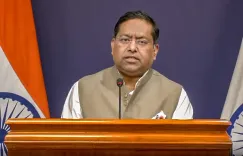
Goyal marks Emergency anniversary as 'Samvidhan Hatya Diwas'
Synopsis
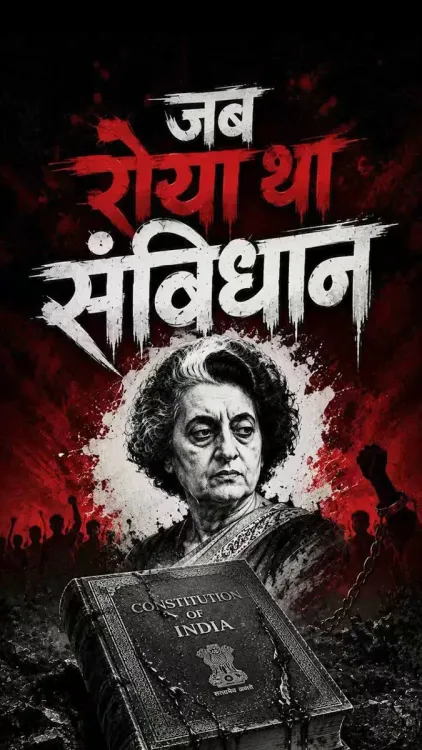
On the 51st anniversary of the 1975 Emergency, Union Commerce Minister Piyush Goyal labelled 25 June 'Samvidhan Hatya Diwas', accusing Congress of strangling democracy and fundamental rights. The BJP has used this date as a recurring political marker since 2014 to contrast its constitutional credentials with Congress's Emergency-era record.
Key Takeaways
Piyush Goyal , Union Commerce Minister and Leader of the House in the Rajya Sabha, posted on 25 June 2026 marking the Emergency anniversary.
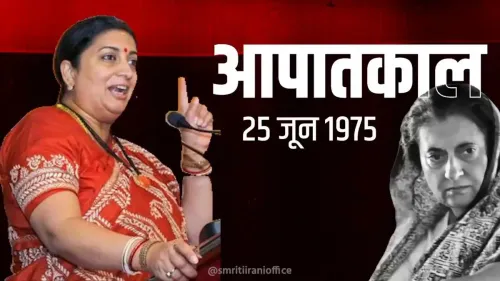
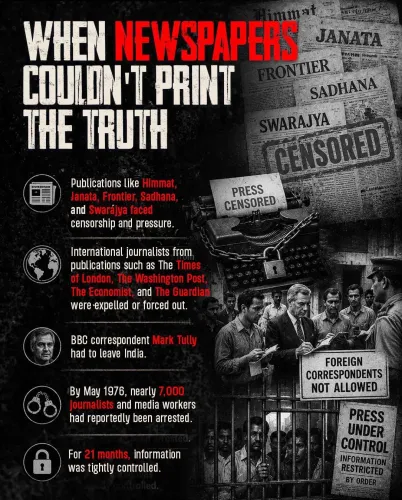
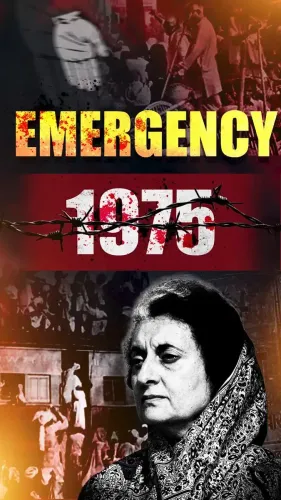
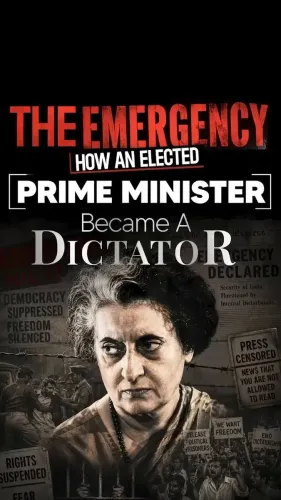
He called 25 June 1975 a 'black chapter' in which Congress 'crushed the soul of the Constitution.' The 1975 Emergency , proclaimed under Article 352, suspended fundamental rights and press freedom for 21 months until 21 March 1977 .
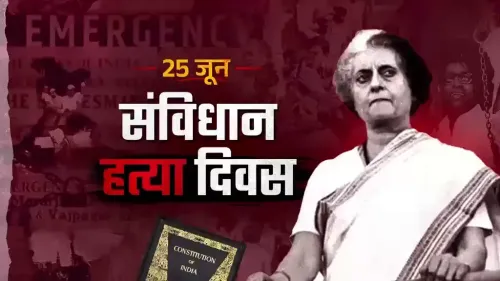
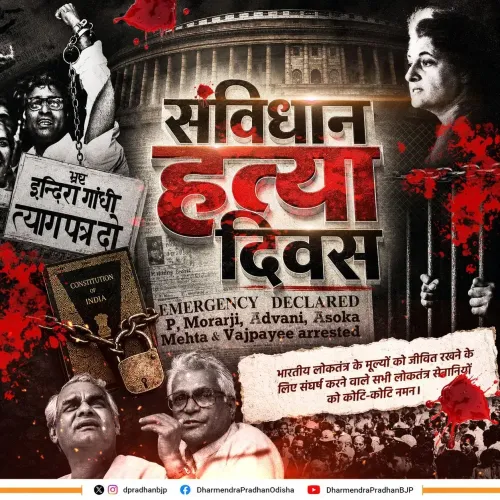
Goyal used the hashtag #SamvidhanHatyaDiwas , a BJP-associated framing meaning 'Constitutional Murder Day.' The BJP has invoked the Emergency anniversary as a political marker consistently since 2014 , contrasting its democratic credentials with Congress's legacy.
Responses from Congress leadership and parallel statements from other Union ministers are expected through the day.
Union Commerce and Industry Minister Piyush Goyal on Thursday, 25 June 2026 marked the 51st anniversary of the imposition of the 1975 Emergency by calling it a 'black chapter' in India's democratic history, invoking the hashtag #SamvidhanHatyaDiwas in a post on X.
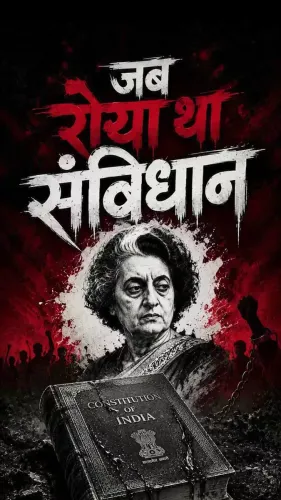
Posting in Hindi, Goyal wrote: '25 जून 1975... यह वह काला अध्याय है' — 'June 25, 1975 is that black chapter when Congress, drunk on the arrogance of power, crushed the soul of the Constitution and imposed the Emergency on the country. Fundamental rights were snatched away, the freedom of expression was strangled, and democracy was taken prisoner.' He described the period as a 'ghastly era that the country can never forget.'
Context
On 25 June 1975, then Prime Minister Indira Gandhi advised President Fakhruddin Ali Ahmed to proclaim a national emergency under Article 352 of the Constitution. The proclamation suspended civil liberties, curtailed press freedom, and allowed mass detentions without trial. The Emergency lasted 21 months and was formally lifted on 21 March 1977, ahead of the sixth general elections in which the Congress was voted out of power.
The term Samvidhan Hatya Diwas — loosely translated as 'Constitutional Murder Day' — has been used by BJP leaders and affiliated groups to frame 25 June as a day of democratic reckoning, drawing a sharp contrast between the Emergency-era Congress and the current ruling dispensation.
Policy Backdrop
Since 2014, the BJP has periodically invoked the 1975 Emergency in political messaging to position itself as a defender of constitutional rights and to underline what it characterises as the Congress party's authoritarian legacy. The narrative has featured in election campaigns, parliamentary debates, and commemorative statements by senior leaders including Union ministers.
As Leader of the House in the Rajya Sabha, Goyal's statement carries institutional weight beyond a routine social-media post, signalling that the BJP's parliamentary leadership intends to keep the Emergency anniversary in public discourse. The post is consistent with a broader pattern of historical contrast that has become a recurring feature of inter-party political communication in India.
Stakeholders and Impact
The post is directed implicitly at the Indian National Congress, whose government under Indira Gandhi imposed the Emergency. Civil liberties groups and constitutional scholars have long treated the Emergency as a cautionary episode in Indian democratic history, making the date significant across the political spectrum — though the framing and emphasis differ sharply between parties.
Opposition parties, particularly the Congress, have in past years responded to such anniversary statements by questioning the BJP's own record on press freedom and civil liberties, setting up a predictable cycle of charge and counter-charge around 25 June each year.
What's Next
Statements from other senior BJP leaders and Union ministers are expected through the day, as the party typically coordinates messaging on this date. A formal response from Congress leadership contesting the framing is also anticipated. The anniversary has increasingly become a structured moment in the BJP's political calendar, and the degree of institutional emphasis placed on it in 2026 — the 51st year — will be closely watched by political observers.
Point of View
His voice amplifies the statement beyond social media into the institutional register. The consistent BJP invocation of the Emergency since 2014 has effectively made 25 June a counter-anniversary in the party's political calendar — a day to frame itself as the guardian of constitutional democracy. Whether this framing gains broader public resonance or remains a partisan talking point depends largely on how opposition parties choose to engage with it in 2026.
NationPress
23 Sept 2026
Frequently Asked Questions
What is Samvidhan Hatya Diwas?
Samvidhan Hatya Diwas, meaning 'Constitutional Murder Day,' is a term used by BJP leaders to mark 25 June — the date in 1975 on which the Emergency was imposed by the Congress government, suspending fundamental rights and civil liberties for 21 months.
Why did Piyush Goyal post about the 1975 Emergency on 25 June 2026?
Goyal posted to mark the 51st anniversary of the Emergency's imposition, calling it a black chapter in India's democratic history and accusing Congress of crushing the Constitution's soul — consistent with the BJP's annual practice of highlighting the date.
What happened during the 1975 Emergency in India?
On 25 June 1975, President Fakhruddin Ali Ahmed proclaimed a national emergency on the advice of Prime Minister Indira Gandhi under Article 352. Fundamental rights were suspended, press freedom was curtailed, and political opponents were detained without trial. The Emergency lasted until 21 March 1977.
What is Piyush Goyal's current role in the government?
Piyush Goyal is the Union Minister of Commerce and Industry and also serves as Leader of the House in the Rajya Sabha, making him one of the senior-most members of the Union Cabinet.
How has the BJP used the Emergency anniversary in politics?
Since 2014, the BJP has used 25 June to draw a contrast between its governance and Congress's Emergency-era record, framing itself as a defender of constitutional rights through statements, social-media campaigns, and the Samvidhan Hatya Diwas label.