Bhupender Yadav marks Emergency anniversary as 'darkest chapter'
Synopsis
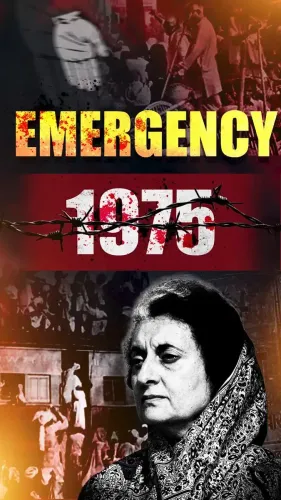
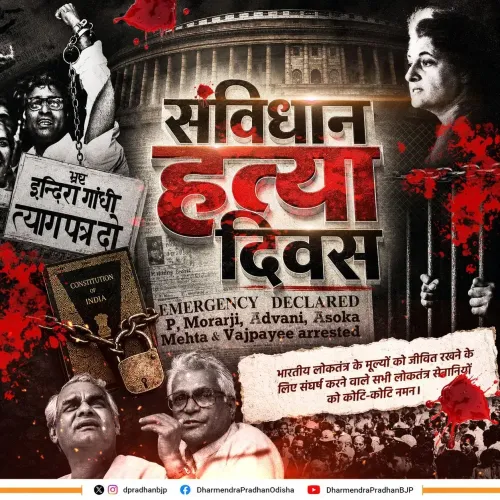
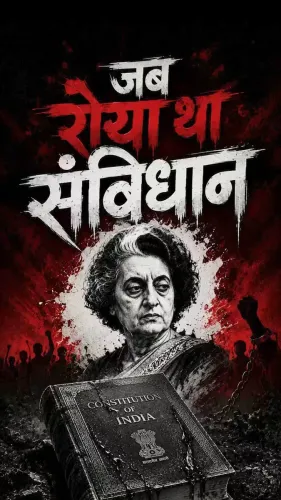
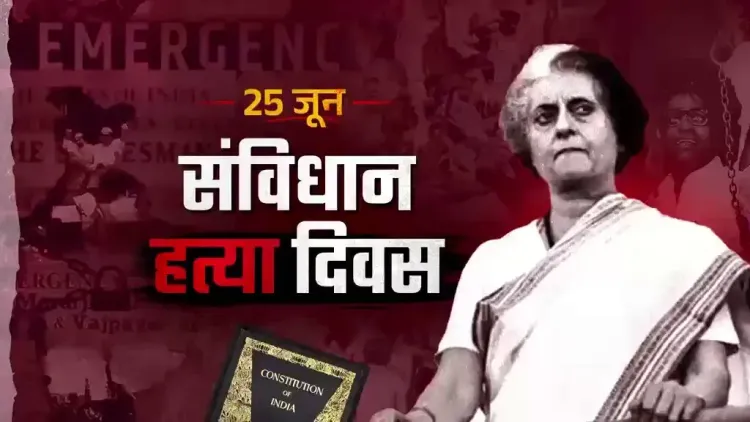
Union Environment Minister Bhupender Yadav marked the 51st anniversary of the 1975 Emergency on 25 June 2026, calling it India's darkest democratic chapter and saluting those who resisted the Congress government's crackdown on constitutional rights, press freedom, and the judiciary under #SamvidhanHatyaDiwas.
Key Takeaways
Bhupender Yadav posted on 25 June 2026 marking the 51st anniversary of the 1975 Emergency under the hashtag #SamvidhanHatyaDiwas .
He described the Emergency as 'the darkest chapter in India's democratic history,' citing assaults on the Constitution, press freedom, judicial impartiality, and civil rights.
The National Emergency was imposed on 25 June 1975 and lifted on 21 March 1977 , during which fundamental rights were suspended and opposition leaders jailed.
The BJP observes Samvidhan Hatya Diwas annually on 25 June to frame the Emergency as a constitutional assault by the Congress party.
The 1977 general election that followed the Emergency's end resulted in India's first non-Congress central government.
The post pays tribute to all those who resisted the Emergency-era crackdown in defence of democratic values.
Union Environment Minister Bhupender Yadav on Thursday, 25 June 2026, marked the 51st anniversary of the imposition of the 1975 Emergency by condemning it as the darkest chapter in India's democratic history, paying tribute to all those who resisted the authoritarian crackdown.
Context
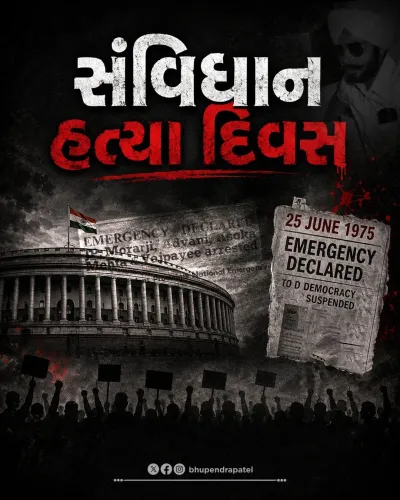
Posting under the hashtag #SamvidhanHatyaDiwas (Constitution Murder Day), Yadav wrote that 25 June 1975 represented a moment when 'the Congress government ruthlessly set aside the fundamental spirit of the Constitution and delivered a grievous blow to the soul of democracy, constitutional institutions, freedom of the press, the impartiality of the judiciary, and the rights of citizens.' He offered his 'respectful salute to every voice that struggled to protect democracy in opposition to that dictatorship.'
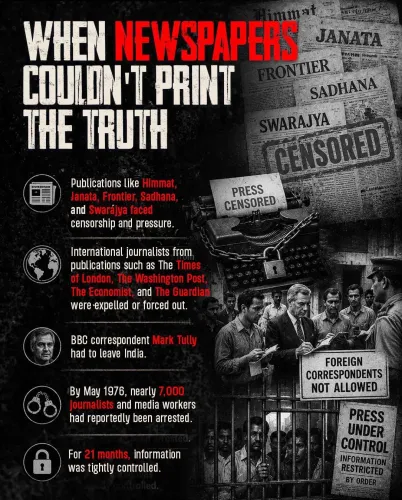
The National Emergency was declared on 25 June 1975 by the government of then Prime Minister Indira Gandhi, citing internal disturbance, and remained in force until 21 March 1977. During this period, fundamental rights were suspended, opposition leaders were imprisoned, and press censorship was imposed across the country.
Policy Backdrop
Samvidhan Hatya Diwas is an annual observance on 25 June promoted by the BJP to frame the Emergency as a constitutional assassination. The commemoration has become a fixture in the party's political calendar, used to draw a contrast between its own governance record and what it characterises as the Congress party's authoritarian precedent.
The 1977 general election, held after the Emergency was lifted, resulted in a decisive defeat for the Congress and the formation of India's first non-Congress central government — an outcome widely interpreted as a popular verdict against the Emergency. That electoral moment remains a reference point in debates about institutional resilience and democratic accountability in India.
Stakeholders and Impact
The Congress party has historically contested the BJP's framing of the Emergency, arguing that the political circumstances of 1975 are being selectively invoked for electoral purposes. Civil society groups and constitutional scholars continue to engage with the Emergency's legacy in discussions about press freedom, judicial independence, and the limits of executive power.
For the BJP, annual Emergency commemorations serve a dual function: honouring those who were imprisoned or persecuted during the period, and reinforcing a long-standing narrative that positions the party as a guardian of democratic and constitutional norms against perceived authoritarian tendencies.
What's Next
Statements and events marking the Emergency anniversary are expected from across the political spectrum throughout 25 June 2026, including from other senior BJP leaders and Union ministers. Parliamentary references to constitutional amendments associated with the Emergency era — including changes to the Preamble — are also likely to resurface in public discourse. As long as the Congress remains the principal opposition, the Emergency's memory is set to remain a live fault line in Indian politics, invoked with particular intensity around each anniversary.
Point of View
The party elevates a historical grievance into a recurring civic ritual, keeping it alive in public consciousness well beyond election cycles. The framing is notable for its constitutional language: invoking the judiciary, the press, and fundamental rights signals an attempt to appeal to liberal democratic sensibilities rather than purely partisan ones. As long as the Congress remains the primary opposition, this narrative is unlikely to lose its utility for the ruling party.
NationPress
24 Sept 2026
Frequently Asked Questions
What is Samvidhan Hatya Diwas?
Samvidhan Hatya Diwas , meaning 'Constitution Murder Day,' is an annual observance on 25 June promoted by the BJP to mark the anniversary of the 1975 Emergency as an assault on India's Constitution and democratic institutions.
What was the 1975 Emergency in India?
The National Emergency was declared on 25 June 1975 by the government of Prime Minister Indira Gandhi , suspending fundamental rights and civil liberties. It lasted until 21 March 1977 , during which the press was censored and opposition leaders were imprisoned.
Why does the BJP mark 25 June every year?
The BJP uses 25 June to highlight what it calls the Congress party's authoritarian record during the 1975-77 Emergency , contrasting it with its own stated commitment to constitutional governance and democratic norms.
What did Bhupender Yadav say about the 1975 Emergency?
Bhupender Yadav called the 1975 Emergency 'the darkest chapter in India's democratic history,' saying the Congress government had 'delivered a grievous blow to the soul of democracy, constitutional institutions, freedom of the press, the impartiality of the judiciary, and the rights of citizens.'
What happened after the 1975 Emergency was lifted?
After the Emergency was lifted on 21 March 1977 , the Congress suffered a decisive defeat in the general election, leading to the formation of India's first non-Congress central government under the Janata Party .