CM Bhupendra Patel marks Samvidhan Hatya Diwas, recalls 1975 Emergency
Synopsis
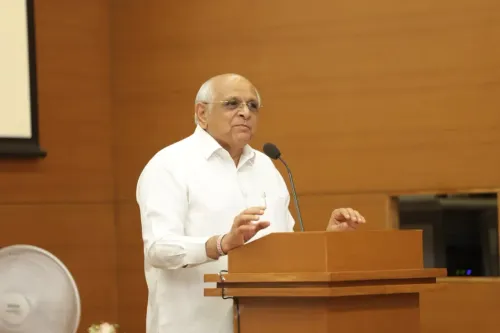
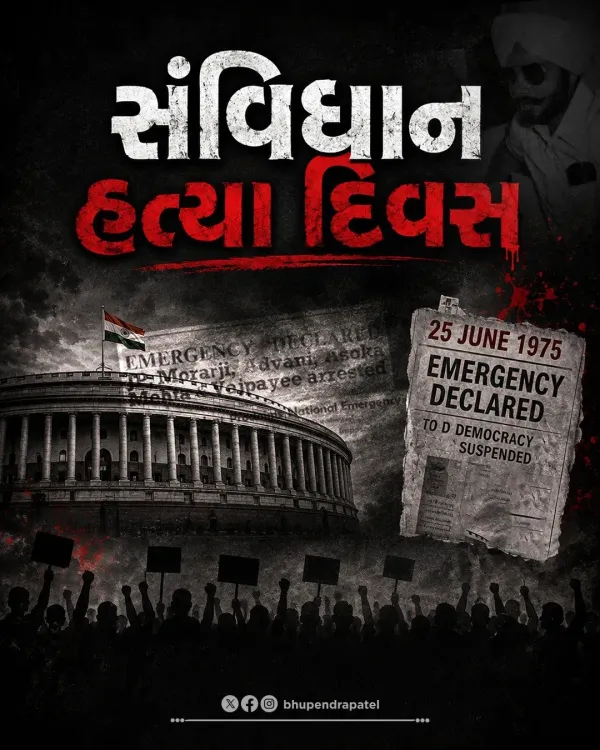
Gujarat Chief Minister Bhupendra Patel marked Samvidhan Hatya Diwas on 25 June 2026, calling the 1975 Emergency an attempt to crush the Constitution and push India into dictatorship, and saluting all patriots who resisted authoritarian repression to revive democratic values.
Key Takeaways
Gujarat CM Bhupendra Patel posted on X on 25 June 2026 to mark Samvidhan Hatya Diwas , the 51st anniversary of the 1975 Emergency.
Patel described the Emergency as an attempt to 'crush the soul of India's Constitution' and called it the darkest chapter in free India's history.
The 1975 Emergency was proclaimed under Article 352 by President Fakhruddin Ali Ahmed on PM Indira Gandhi's advice and lasted 21 months .
Patel called on the new generation to respect the Constitution and remain aware of past abuses of power.
BJP -led governments have observed 25 June as Samvidhan Hatya Diwas annually since 2014 as part of a broader constitutional-remembrance narrative.
The Chief Minister paid tribute to all patriots who endured suffering without yielding to Emergency-era repression.
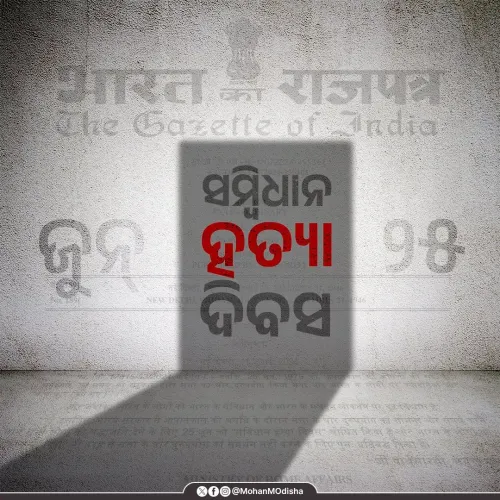
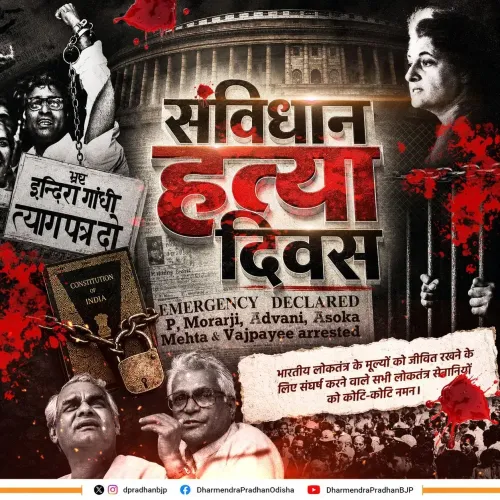
Gujarat Chief Minister Bhupendra Patel on 25 June 2026 invoked the 51st anniversary of the 1975 Emergency to call the period the darkest chapter in free India's history, paying tribute to all patriots who resisted authoritarianism and kept democratic values alive. Posting in Gujarati on X, Patel described the day — observed as Samvidhan Hatya Diwas (Constitution Murder Day) — as a reminder of the Constitution's role as a shield for citizens' rights and national progress.
Context
Patel's post, shared under the hashtag #SamvidhanHatyaDiwas, characterises the Emergency imposed on 25 June 1975 as an attempt to 'crush the soul of India's Constitution in the lust for power and push the country into the darkness of dictatorship' (સત્તાના મોહમાં ભારતના બંધારણના આત્માને કચડી નાખીને દેશને તાનાશાહીના અંધકારમાં ધકેલવાનો પ્રયાસ). He describes the suspension of civil liberties as an act that 'will remain etched as the darkest chapter in the history of independent India.' The Chief Minister also salutes those who endured 'unbearable suffering without bowing to the repression of the Emergency' and revived democratic values.
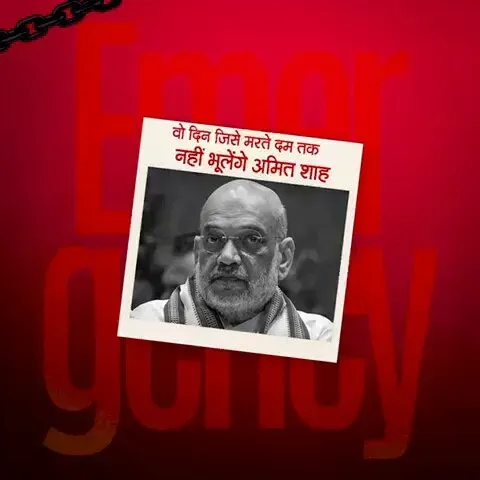
The National Emergency of 1975 was proclaimed by President Fakhruddin Ali Ahmed on the advice of then Prime Minister Indira Gandhi under Article 352 of the Constitution, citing 'internal disturbance.' It lasted 21 months, suspending fundamental rights and press freedom before ending in 1977, when Gandhi's Congress party was voted out of power.
Policy Backdrop
BJP-led governments and leaders at the national and state level have marked 25 June annually as a day of constitutional remembrance, framing the Emergency as an episode of Congress-led authoritarianism. The observance is part of a broader political narrative that contrasts the party's stated commitment to constitutional supremacy with what it describes as the Congress's historical record of democratic subversion.
Patel's statement underscores this framing by calling for the new generation to 'recognise the true values of democracy, cultivate respect for the Constitution, and become aware of the dark history of such abuse of power.' The designation Samvidhan Hatya Diwas has been used consistently by BJP governments across multiple states each year since 2014.
Stakeholders and Impact
The annual commemoration resonates with civil society groups, constitutional scholars, and citizens who lived through the Emergency period. For Gujarat's ruling dispensation, the occasion serves as a platform to reinforce the message that a strong Constitution is the ultimate guarantor of citizens' rights — a message Patel articulates directly in his post: 'Our strong Constitution is the protective shield for the country's progress and citizens' rights.'
The commemoration also draws predictable responses from the political opposition, particularly the Indian National Congress, which contests the BJP's framing of the Emergency's legacy and its use as a recurring political reference point.
What's Next
Similar statements and events are expected from BJP leaders and state governments across the country through the day, consistent with the pattern seen in previous years. Responses from Congress leadership and other opposition parties are anticipated, and the anniversary may surface in upcoming parliamentary discussions on constitutional rights and democratic governance. The broader debate over how India's political parties remember and instrumentalise the Emergency period is likely to continue as a live fault line in national politics.
Point of View
Using the Emergency's anniversary to reinforce the party's self-image as the defender of democratic and constitutional values against what it frames as Congress authoritarianism. By calling for the new generation to learn from the 'dark history of abuse of power,' Patel ties a 51-year-old event directly to present-day political identity formation. The consistency of this messaging across BJP-governed states signals a coordinated national narrative strategy rather than a spontaneous individual tribute. How the opposition chooses to respond — or disengage — will shape whether the anniversary retains political salience heading into future electoral cycles.
NationPress
23 Sept 2026
Frequently Asked Questions
What is Samvidhan Hatya Diwas?
Samvidhan Hatya Diwas, meaning 'Constitution Murder Day,' is the designation used by BJP governments and leaders for 25 June to mark the day the 1975 Emergency was imposed, suspending democratic provisions of the Indian Constitution.
Why is 25 June observed as Samvidhan Hatya Diwas?
25 June marks the anniversary of the National Emergency proclaimed in 1975 by President Fakhruddin Ali Ahmed on the advice of Prime Minister Indira Gandhi, which suspended civil liberties and fundamental rights for 21 months.
What did Gujarat CM Bhupendra Patel say about the 1975 Emergency?
Patel called the Emergency an attempt to crush the soul of India's Constitution in the lust for power and push the country into the darkness of dictatorship, describing it as the darkest chapter in free India's history.
When did the 1975 Emergency end?
The National Emergency of 1975 ended in 1977, when Prime Minister Indira Gandhi called elections and the Congress party was voted out of power.
How long has BJP been observing Samvidhan Hatya Diwas?
BJP-led governments and leaders have marked 25 June as Samvidhan Hatya Diwas annually since 2014, using the occasion to highlight the Emergency as an episode of democratic subversion.