CM Vishnu Deo Sai: Bastar artisans shine at Rashtrapati Bhavan
Synopsis
Nearly 50 Bastar artisans contributed Dhokra and wrought-iron craftsmanship to the handmade invitation kit for President Droupadi Murmu's Independence Day 'At Home' reception, with CM Vishnu Deo Sai calling it a symbol of Bastar's transformation from Naxal conflict to national pride.
Key Takeaways
Nearly 50 artisans from Bastar , Chhattisgarh, crafted the handmade invitation kit for the Independence Day 'At Home' reception at Rashtrapati Bhavan.
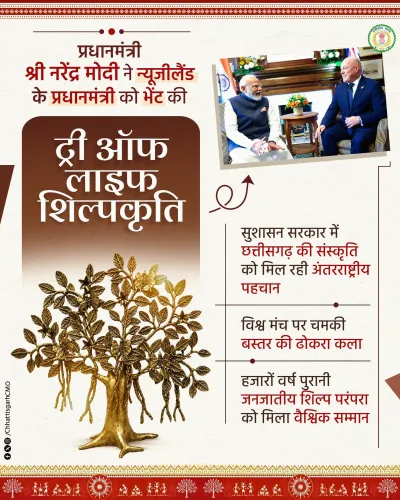
The kits feature Dhokra (lost-wax casting) and wrought-iron craftsmanship — two ancient tribal metalworking traditions from Bastar.
The reception was hosted by President Droupadi Murmu , making it one of India's most prestigious national platforms for the artisans.
CM Vishnu Deo Sai framed the moment as evidence of Bastar's transformation from a Naxal-conflict zone to a hub of cultural and economic opportunity.
Chhattisgarh governments since 2014 have combined security operations with craft-cluster and skill-development programmes in Bastar.
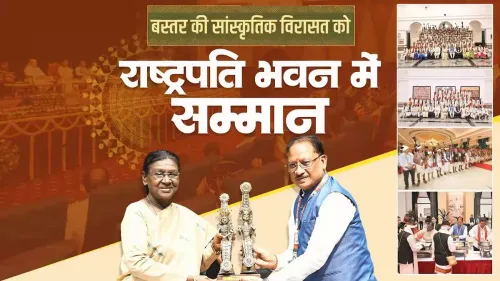
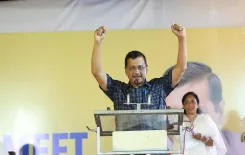
From a region long scarred by Naxal conflict, the hands of Bastar have reached the grandest address in India. Chhattisgarh Chief Minister Vishnu Deo Sai announced on Sunday, 9 August 2026 that nearly 50 artisans from Bastar contributed their traditional craftsmanship to the handmade invitation kit for the Independence Day 'At Home' reception hosted by President Droupadi Murmu at Rashtrapati Bhavan.
Dhokra and wrought iron travel from forest to Rashtrapati Bhavan
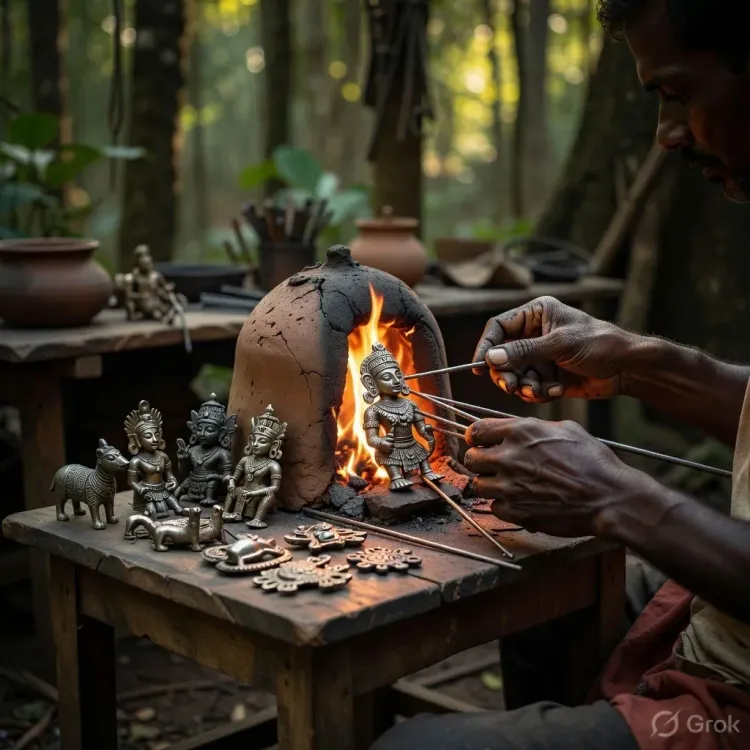
The invitation kits feature Dhokra and wrought-iron craftsmanship — two of Bastar's most distinctive and ancient metalworking traditions. Dhokra, a lost-wax casting technique practised by tribal communities for centuries, produces figures and ornaments of striking, raw beauty. Wrought-iron work from the region is equally celebrated, its geometric motifs drawing on forest imagery and indigenous symbolism. Seeing both traditions represented in an official presidential reception is, by any measure, a remarkable platform.The long road: Bastar's shift from conflict to craft cluster
For decades, Bastar — a sprawling district in southern Chhattisgarh — was synonymous with Left-Wing Extremism. Security operations, displacement, and economic marginalisation kept its communities isolated from mainstream markets. The shift has been gradual and hard-won. Since 2014, successive state administrations have layered security gains with livelihood interventions: craft clusters, skill-development programmes, and efforts to win GI-tag recognition for Bastar metal arts. CM Sai's government has continued that push, framing artisan empowerment as both an economic and a symbolic statement — proof that peace, not just security, is taking root.What a presidential platform means for tribal artisans
National visibility of this kind is not merely ceremonial. When Bastar's crafts appear in the hands of India's highest constitutional office, they enter the consciousness of policymakers, diplomats, and buyers who attend such receptions. It signals quality, authenticity, and a state-backed supply chain — all of which matter enormously for artisans whose livelihoods depend on premium markets. CM Sai offered his 'heartfelt congratulations to all the artisans who have made Chhattisgarh proud,' and the sentiment carries weight beyond the occasion. The story of Bastar is still being written — but for nearly 50 artisans, one chapter now includes Rashtrapati Bhavan.Point of View
It reinforces the argument that reduced Naxal violence has unlocked tangible gains for tribal communities, not just statistics on encounter operations. It also fits a broader national pattern of using ceremonial state occasions to spotlight GI-tagged crafts from conflict-affected or marginalised regions, building premium market credibility in the process. The real test will be whether this visibility translates into sustained artisan income and institutional craft-cluster support beyond the headline moment.
NationPress
9 Aug 2026
Frequently Asked Questions
Which artisans from Bastar were selected for the Rashtrapati Bhavan Independence Day event?
Nearly 50 artisans from Bastar, Chhattisgarh, were selected to contribute their traditional Dhokra and wrought-iron craftsmanship to the handmade invitation kit for the Independence Day 'At Home' reception hosted by President Droupadi Murmu.
What is Dhokra craft and why is Bastar famous for it?
Dhokra is an ancient lost-wax metal casting technique practised by tribal communities in Bastar for centuries, producing distinctive figurines and ornaments. Bastar is one of India's foremost centres for both Dhokra and wrought-iron crafts, which are recognised for their unique indigenous motifs.
What is the Independence Day 'At Home' reception at Rashtrapati Bhavan?
The Independence Day 'At Home' is an annual reception hosted by the President of India at Rashtrapati Bhavan on or around 15 August, attended by senior officials, diplomats, and dignitaries to mark India's Independence Day.
How has Bastar changed from a Naxal conflict zone?
Since 2014, successive Chhattisgarh governments have combined security operations against Left-Wing Extremism with livelihood and artisan-support programmes in Bastar, gradually enabling craft clusters and skill-development initiatives that connect tribal artisans to national and premium markets.
What did CM Vishnu Deo Sai say about the Bastar artisans?
CM Vishnu Deo Sai said the artisans' work 'reflects not only Chhattisgarh's rich cultural heritage, but also the remarkable transformation of Bastar,' and offered his heartfelt congratulations to all the artisans who made Chhattisgarh proud.