Emergency 1975 was bid to push India into dictatorship, says Gujarat CM Bhupendra Patel
Synopsis
Fifty years after Indira Gandhi's Emergency, Gujarat CM Bhupendra Patel used the anniversary to call it an assault on India's Constitution and a plunge toward dictatorship. The date, now formally observed as Samvidhan Hatya Diwas, is increasingly a structured political moment — not just a historical footnote.
Key Takeaways
Gujarat CM Bhupendra Patel on 25 June 2025 called the 1975 Emergency an attempt to crush India's Constitution and push the country into dictatorship.
Patel made the remarks in a post on social media platform X , marking the 50th anniversary of the Emergency's imposition.
The date is observed as Samvidhan Hatya Diwas to keep public memory of the episode alive for younger generations.
The Emergency was proclaimed on 25 June 1975 under Article 352 by President Fakhruddin Ali Ahmed on the advice of PM Indira Gandhi , lasting 21 months until March 1977 .
During the Emergency, elections were suspended, press censorship was imposed, and thousands of opponents were detained.
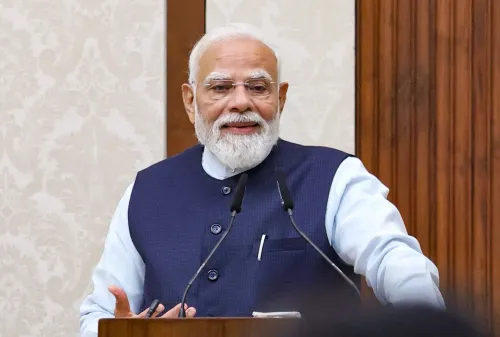
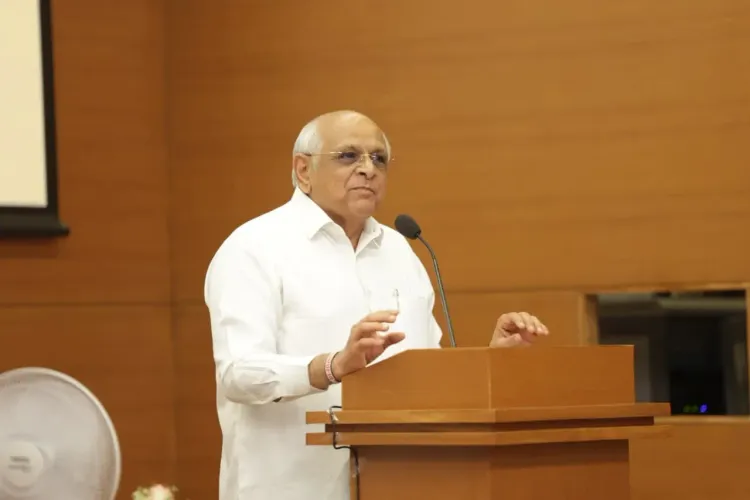
Gujarat Chief Minister Bhupendra Patel on Thursday, 25 June described the Emergency of 1975 as a deliberate attempt to destroy the foundations of India's Constitution and drag the country into the 'darkness of dictatorship', marking the 50th anniversary of one of the most contested episodes in post-independence Indian history. Patel made the remarks in a post on social media platform X, framing the period as a cautionary chapter on the abuse of state power.
What Patel Said
'The Emergency imposed on June 25, 1975, was an attempt to crush the spirit of India's Constitution in the pursuit of power and push the country into the darkness of dictatorship,' he wrote. The Chief Minister called it 'one of the darkest chapters in the history of independent India,' citing the systematic dismantling of democratic institutions and the suppression of citizens' fundamental freedoms.
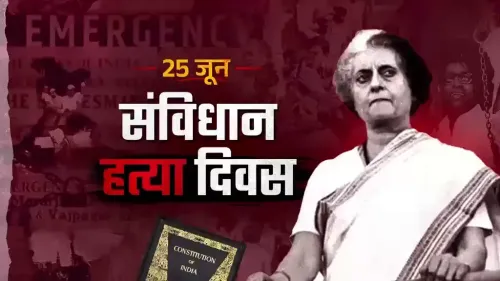
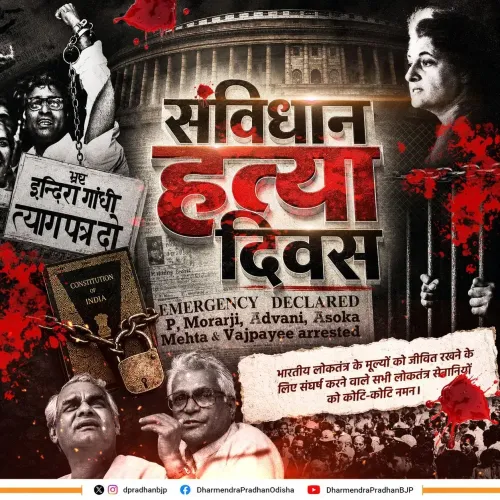
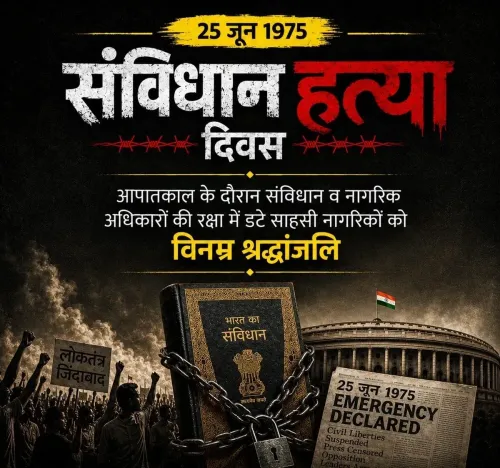
Samvidhan Hatya Diwas: Why the Day Is Observed
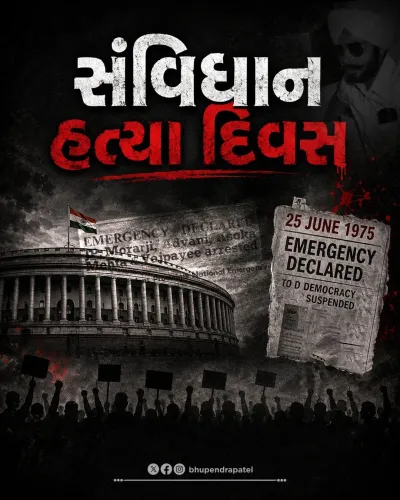
Patel noted that the date is now observed as Samvidhan Hatya Diwas — Constitution Murder Day — to ensure that younger generations internalise democratic values, respect the Constitution, and remain alert to the dangers of power misuse. 'The observance serves as a reminder that the Constitution acts as a protective shield for both the nation's progress and the rights of its citizens,' he emphasised. He also paid tribute to those who resisted the Emergency, saying they endured severe hardships without yielding to repression and ultimately helped restore democratic order.
What the Emergency Was
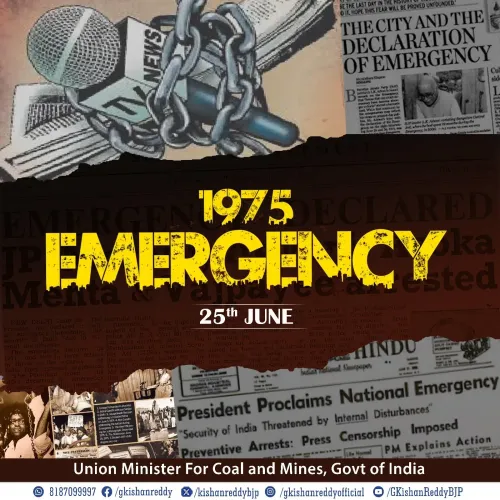
The Emergency was proclaimed on the night of 25 June 1975 by then President Fakhruddin Ali Ahmed on the advice of Prime Minister Indira Gandhi under Article 352 of the Constitution. It remained in force for 21 months, ending in March 1977. During that period, elections were suspended, press censorship was imposed, civil liberties were curtailed, and thousands of political opponents, activists, and journalists were detained without trial.
Legacy and Constitutional Significance
The Emergency continues to serve as a critical reference point in debates on constitutional safeguards and democratic accountability. Educational and constitutional institutions have increasingly spotlighted the period as one of the gravest challenges faced by Indian democracy, particularly given the suspension of several fundamental rights. Notably, this is the first major anniversary observed under the formal Samvidhan Hatya Diwas framework, which the Centre designated to institutionalise public memory of the episode.
Broader Political Context
Patel's remarks reflect a wider pattern of Bharatiya Janata Party (BJP)-led governments invoking the Emergency as a symbol of what they describe as the Indian National Congress's authoritarian legacy. The anniversary has in recent years become an occasion for structured political messaging, with leaders across BJP-governed states issuing statements and holding commemorative events. Whether such observances deepen constitutional awareness or serve primarily as partisan signalling remains a point of debate among political analysts.
Point of View
With BJP-governed states now deploying it as a calendar event. Patel's statement is less a spontaneous act of remembrance and more a coordinated message — the Samvidhan Hatya Diwas framework gives it institutional weight. What mainstream coverage often misses is the irony that the very constitutional protections the Emergency suspended are now cited by all sides to legitimise their own political positions. The deeper question — whether India has built durable institutional guardrails to prevent a repeat — rarely surfaces in these commemorations.
NationPress
23 Sept 2026
Frequently Asked Questions
What did Gujarat CM Bhupendra Patel say about the 1975 Emergency?
Bhupendra Patel called the Emergency imposed on 25 June 1975 an attempt to crush the spirit of India's Constitution and push the country into dictatorship. He made the remarks in a post on social media platform X on the 50th anniversary of the Emergency's proclamation.
What is Samvidhan Hatya Diwas?
Samvidhan Hatya Diwas, or Constitution Murder Day, is observed on 25 June to mark the anniversary of the 1975 Emergency. It is intended to remind younger generations of democratic values and the dangers of constitutional abuse, and has been institutionalised as a formal day of observance.
What was the 1975 Emergency and how long did it last?
The Emergency was proclaimed on the night of 25 June 1975 by President Fakhruddin Ali Ahmed on the advice of Prime Minister Indira Gandhi under Article 352 of the Constitution. It lasted 21 months, ending in March 1977, during which elections were suspended, the press was censored, and thousands were detained.
Who opposed the Emergency and what happened to them?
Political opponents, activists, and journalists who resisted the Emergency faced detention without trial and severe repression. Patel paid tribute to these individuals, saying they endured hardships without yielding and helped restore democratic values when the Emergency was lifted in 1977.
Why does the 1975 Emergency remain relevant today?
The Emergency is a key reference point in ongoing debates about constitutional safeguards and democratic accountability in India. Educational and constitutional institutions increasingly highlight it as one of the gravest challenges Indian democracy has faced, given the suspension of fundamental rights during that period.